

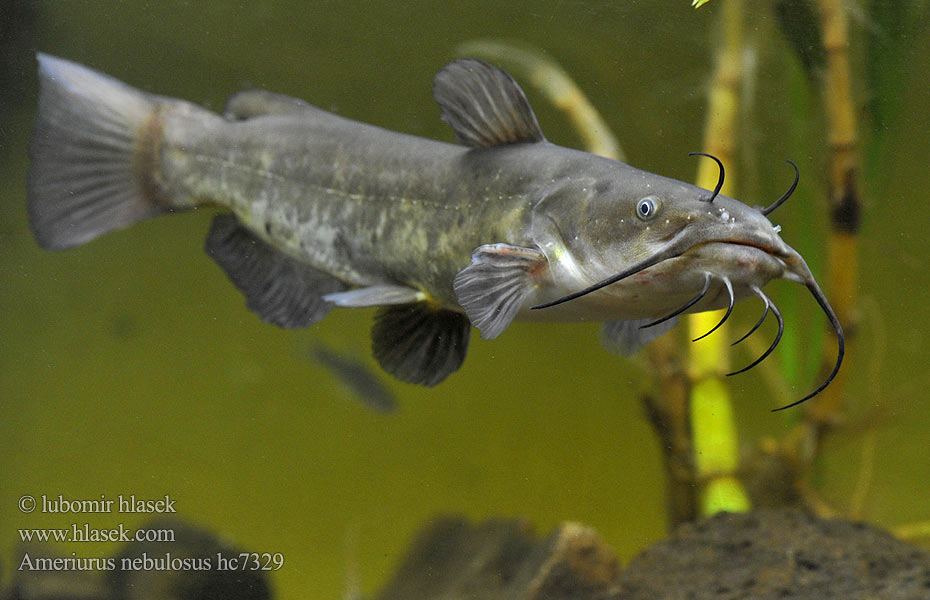
Jakarta, ThedailyID — An international team of researchers has discovered the world’s first documented case of a contagious cancer in freshwater fish. The disease affects brown bullhead catfish (Ameiurus nebulosus) living in Lake Memphremagog, which stretches across the border between the United States and Canada.
The team published its findings on July 22 in the journal Nature. The study, titled Brown bullhead catfish melanoma represents a novel transmissible cancer, marks the first known case of contagious cancer in fish and the first recorded in a freshwater ecosystem.


The investigation began in 2012 after anglers and biologists noticed black skin lesions on many catfish in the lake. The lake spans Vermont and Quebec. Earlier examinations confirmed the lesions were malignant melanoma. Researchers found tumors in 23 to 37 percent of the fish they examined, an unusually high rate for the species.
“We were surprised,” said Julie Dragon, a researcher at the University of Vermont and one of the study’s lead authors. “We wanted to understand how a bottom-dwelling fish could develop a cancer that scientists usually associate with excessive sunlight.”
Researchers first suspected pollution, environmental toxins, or infectious pathogens. They also considered whether Tropical Storm Irene in 2011 carried contaminants into the lake.
Genetic testing later pointed to another explanation. Scientists sequenced DNA from tumor tissue and healthy tissue in affected fish. They then compared the results with healthy catfish from other populations.
The analysis showed that tumor cells from different fish shared a much closer genetic relationship with each other than with their hosts. This finding indicates that the cancer cells carry their own genetic identity and spread directly between fish instead of developing independently.
Researchers also found hundreds of thousands of recurring genetic mutations across multiple tumors. Healthy tissue did not contain those mutations. This pattern strongly matches clonal cancers that spread between individuals.
The team also searched for viruses and bacteria that could trigger the disease. However, they found no microorganism consistently linked to the tumors. While they cannot completely rule out a pathogen, the available evidence suggests the cancer cells themselves spread the disease.
Scientists still do not know exactly how the cancer moves from one fish to another. They believe transmission could occur during spawning when catfish gather closely together. Cancer cells may also survive briefly in water or sediment before entering another fish through the skin, gills, or mouth.
The study also found high arsenic levels inside tumor cells. Researchers noticed that cases appeared more often in areas with naturally high arsenic concentrations. However, they stressed that the data does not prove arsenic causes the disease.
The discovery poses no known risk to humans. Contagious cancers remain extremely rare and do not spread between people through normal daily contact. Scientists have previously documented similar diseases only in dogs, Tasmanian devils, and several mollusc species.
Researchers believe the discovery could improve scientists’ understanding of how cancer cells survive outside their original host. It may also reveal why some cancer cells gain the ability to spread while most never do.