

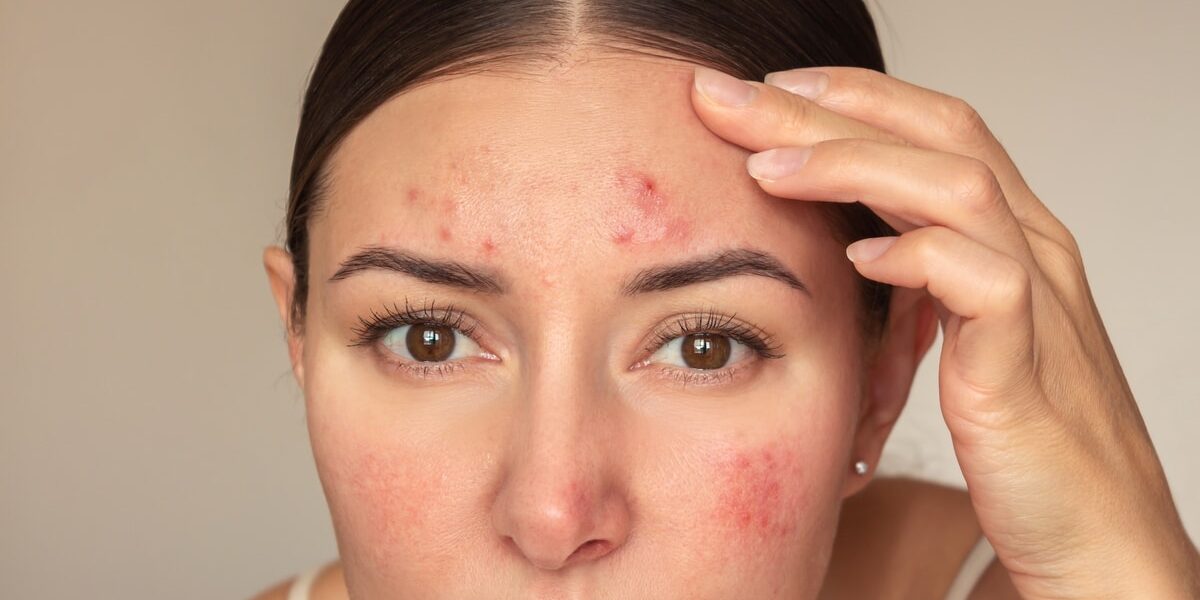
Jakarta, ThedailyID — Everyone experiences stress from time to time. However, prolonged stress can affect the body in several ways, including changes to the skin.
Chronic stress can increase the risk of depression and weaken the immune system. It can also contribute to other health problems when left unmanaged.


The effects may also appear on the skin. Stress can trigger chemical reactions in the body, making the skin more sensitive and reactive, according to WebMD.
Acne is one of the most common skin problems associated with stress. When stressed, the body produces more cortisol. This can cause the skin to produce more oil and increase the risk of breakouts.
However, acne is not the only skin change that may be linked to chronic stress.
1. Under-eye bags
Under-eye bags commonly develop with age. However, stress and poor sleep can also make signs of aging more noticeable.
Research cited by Healthline suggests that sleep deprivation linked to stress may reduce skin elasticity. This can contribute to visible changes around the eyes.
2. Dry skin
Chronic stress may interfere with the skin’s protective barrier. This can affect the stratum corneum, the outermost layer of the skin.
When this barrier does not function properly, the skin can lose moisture. As a result, the skin may become dry and itchy.
3. Rashes
Stress can affect the immune system and contribute to changes in the skin’s microbial balance. These changes may trigger redness or rashes.
Stress can also worsen existing conditions. These include psoriasis, eczema, and contact dermatitis.
4. Wrinkles
Chronic stress may also contribute to premature skin aging. Stress can affect proteins in the skin and reduce its elasticity.
Over time, these changes may make wrinkles more visible.
5. Itchy scalp
The scalp can also experience the effects of prolonged stress. Stress may contribute to dry skin, including on the scalp.
This dryness can cause itching. Chronic stress may also contribute to hair loss.
While these changes can occur during periods of stress, they do not necessarily mean stress is the only cause. Persistent or severe skin problems should be evaluated by a medical professional.