
Jakarta, ThedailyID — An Australian mother became concerned when her young daughter developed a swollen knee that refused to return to normal. Although initial medical assessments offered little cause for concern, seeking further evaluation eventually led to a diagnosis of juvenile idiopathic arthritis (JIA).
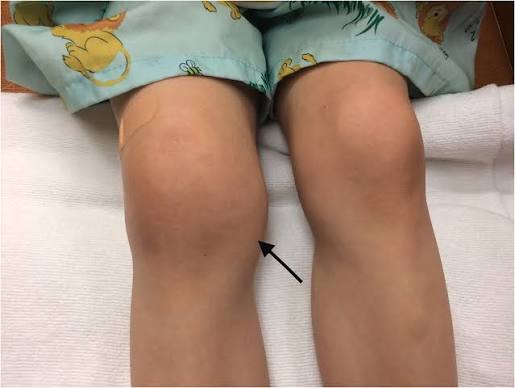
Emily Hughes first noticed the swelling in her daughter, Scarlett, when she was just 18 months old. Scarlett, now four, was an active child who enjoyed climbing and jumping. Emily initially suspected that the swelling came from her daughter’s play activities.


“I work with athletes, so when I saw a swollen knee in an 18-month-old child, I thought, ‘Wow, that’s really strange,’” Emily told People.
Emily noticed the swelling in late 2023, shortly before Christmas. Scarlett otherwise appeared healthy and energetic, so her mother decided to monitor the condition.
However, the swelling persisted into January. Emily and her partner, Darrell, then took Scarlett to an osteopath for an examination. During the assessment, they also noticed that Scarlett struggled to straighten one elbow, even though she did not appear to be in pain.
Initial examinations did not provide a clear explanation. Emily said one doctor found nothing concerning, while their family doctor reported generally normal blood test results with slight elevations in some markers.
By February, Scarlett’s condition had worsened. Her knee became increasingly swollen, hot and painful. Eventually, she refused to put weight on the affected leg, prompting her family to take her to the Royal Children’s Hospital in Melbourne.
Doctors initially suspected septic arthritis, a serious joint infection. They performed a procedure to clean the affected joint, but the treatment did not immediately explain the underlying cause of her symptoms.
Specialists in infectious diseases and orthopedics continued examining Scarlett over the following months. Further investigations also revealed fusion in her elbow joint.
In May, doctors concluded that her symptoms pointed to JIA affecting three joints. Emily described the diagnosis as both frightening and relieving because it finally provided an explanation for her daughter’s condition.
“I didn’t know enough to have any preconceived ideas, other than thinking it was an older person’s disease,” Emily said.
The diagnosis also raised concerns about uveitis, an inflammation of the eye that can threaten vision. According to the original report, around 10% to 20% of children with JIA may develop the condition, making eye monitoring an important part of care.
With medical treatment and a care plan from her healthcare team, Scarlett gradually improved. She is now in remission and has returned to activities she enjoys, including doing somersaults and climbing in her backyard.
Looking back, Emily said one of the hardest parts of the experience was feeling that medical professionals did not always take her concerns seriously. Her experience highlighted the challenges families can face when a child’s symptoms persist without a clear diagnosis.
JIA is a form of arthritis that affects children under the age of 16. According to the Mayo Clinic, the term “idiopathic” means that the cause remains unknown. The condition involves inflammation that can cause persistent joint pain, swelling and stiffness.
Symptoms vary between children. Some may limp, particularly in the morning or after resting, while others may develop swelling in larger joints such as the knees. Children may also appear unusually stiff or clumsy.
Certain cases can cause additional complications, including slower growth, joint damage and eye inflammation. Some children may experience symptoms for several years, while others may face longer-lasting disease.
Parents should consult a healthcare professional if their child develops persistent joint swelling, unexplained stiffness, limping or difficulty moving a joint. Early assessment can help doctors identify the cause and determine appropriate treatment before complications develop.