

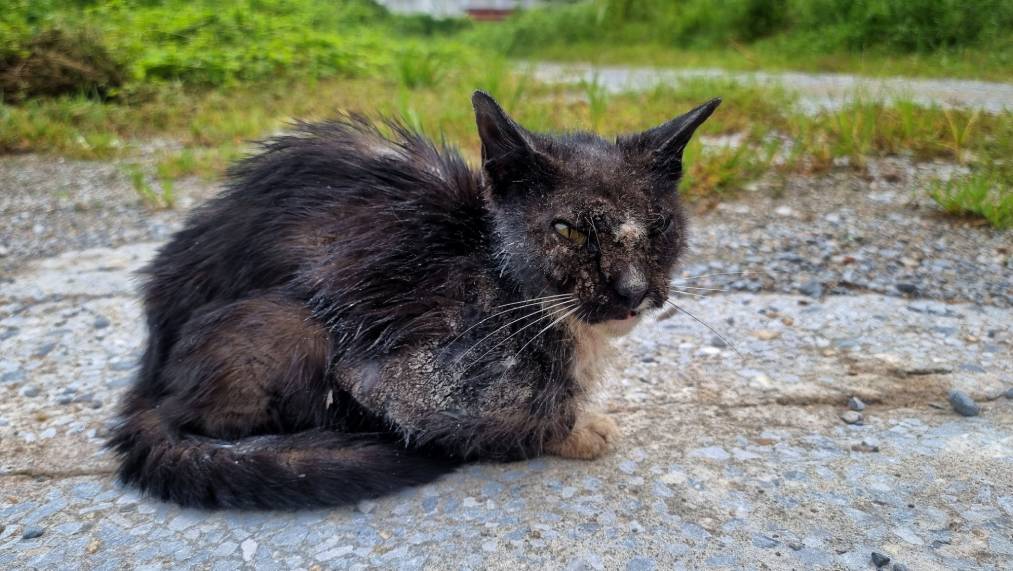
Jakarta, ThedailyID — Stray cats may look healthy and show no obvious symptoms, but they can still carry germs that cause illness in humans. The risk depends on the type of pathogen and how a person comes into contact with the animal or a contaminated environment.
According to the US Centers for Disease Control and Prevention (CDC), cats can carry harmful germs even when they appear clean and healthy. Transmission can occur through bites, scratches, feces and parasites. Some infections can also spread through soil or other surfaces contaminated by cat waste.


Understanding these risks can help people protect themselves without harming stray animals. Here are five diseases and infections to know about.
1. Cat scratch disease
Cat scratch disease can develop when an infected cat scratches and breaks the skin. Symptoms may include a bump or blister near the wound, fever and swollen lymph nodes. People should clean scratches promptly and seek medical advice if symptoms develop.
2. Rabies
Rabies is a serious viral disease that can spread through the bite of an infected animal. It can also enter the body when infected saliva contacts broken skin or the eyes, nose or mouth.
Anyone bitten by an unfamiliar cat should wash the wound immediately with soap and running water and seek urgent medical assessment. Do not wait for symptoms to appear, because rabies prevention must begin before symptoms develop.
3. Toxoplasmosis
Toxoplasmosis is caused by the parasite Toxoplasma gondii. People can become infected by accidentally ingesting the parasite from contaminated soil, food or other materials exposed to infected cat feces.
Pregnant women need particular care because an infection can affect the developing fetus. Wearing gloves while gardening and washing hands thoroughly afterward can help reduce exposure.
4. Ringworm
Despite its name, ringworm is a fungal infection rather than a parasitic worm. It can spread through direct contact with an infected cat or through contaminated objects and surfaces.
Symptoms often include itchy, circular rashes and scaly skin. People who notice suspicious skin changes should consult a healthcare professional for diagnosis and treatment.
5. Gastrointestinal infections
Cats can carry bacteria such as Campylobacter and Salmonella. These bacteria may spread when feces contaminate hands, food or water.
Infection can cause gastrointestinal symptoms, including diarrhea, abdominal pain and fever. Washing hands after contact with cats or potentially contaminated surfaces helps reduce the risk.
How to reduce the risk of infection
People can take several practical steps to protect themselves around stray cats. Avoid handling unfamiliar cats, especially if they appear sick or frightened. Do not attempt to catch or restrain them without appropriate training.
Wash your hands with soap and running water after touching cats or areas that may contain animal waste. Wear gloves while gardening because contaminated soil can expose you to certain pathogens. Keep unwashed hands away from your face and food.
If a cat bites or scratches you and breaks the skin, immediately wash the wound thoroughly with soap and running water. Seek prompt medical advice, particularly if the cat is unfamiliar or its vaccination status is unknown. A healthcare professional can assess the need for rabies prevention and other treatment.
Pregnant women, young children, older adults and people with weakened immune systems should take extra precautions. Certain infections can cause more serious complications in these groups.
Seek medical attention if a bite or scratch develops redness, swelling, increasing pain or other signs of infection. Fever after an animal bite or scratch also warrants medical evaluation.
Stray cats do not automatically pose a threat to everyone who encounters them. The key is to avoid risky contact, maintain good hygiene and seek prompt medical care after potential exposure.