

Jakarta, ThedailyID — A power bank overheated and released thick smoke inside the cabin of an HK Express flight traveling from Hong Kong to South Korea on Sunday, October 25, 2026. The incident left one passenger injured and prompted the cabin crew to carry out emergency procedures before the aircraft landed safely.
According to the South China Morning Post, the incident occurred aboard flight UO676, which was carrying 236 passengers and seven crew members to Jeju Island, South Korea. The smoke reportedly came from a passenger’s power bank stored inside a bag beneath a seat.


HK Express, a subsidiary of Cathay Pacific Airways, issued a formal apology following the incident. The airline explained that the device overheated as the aircraft approached Jeju International Airport, according to Korea JoongAng Daily.
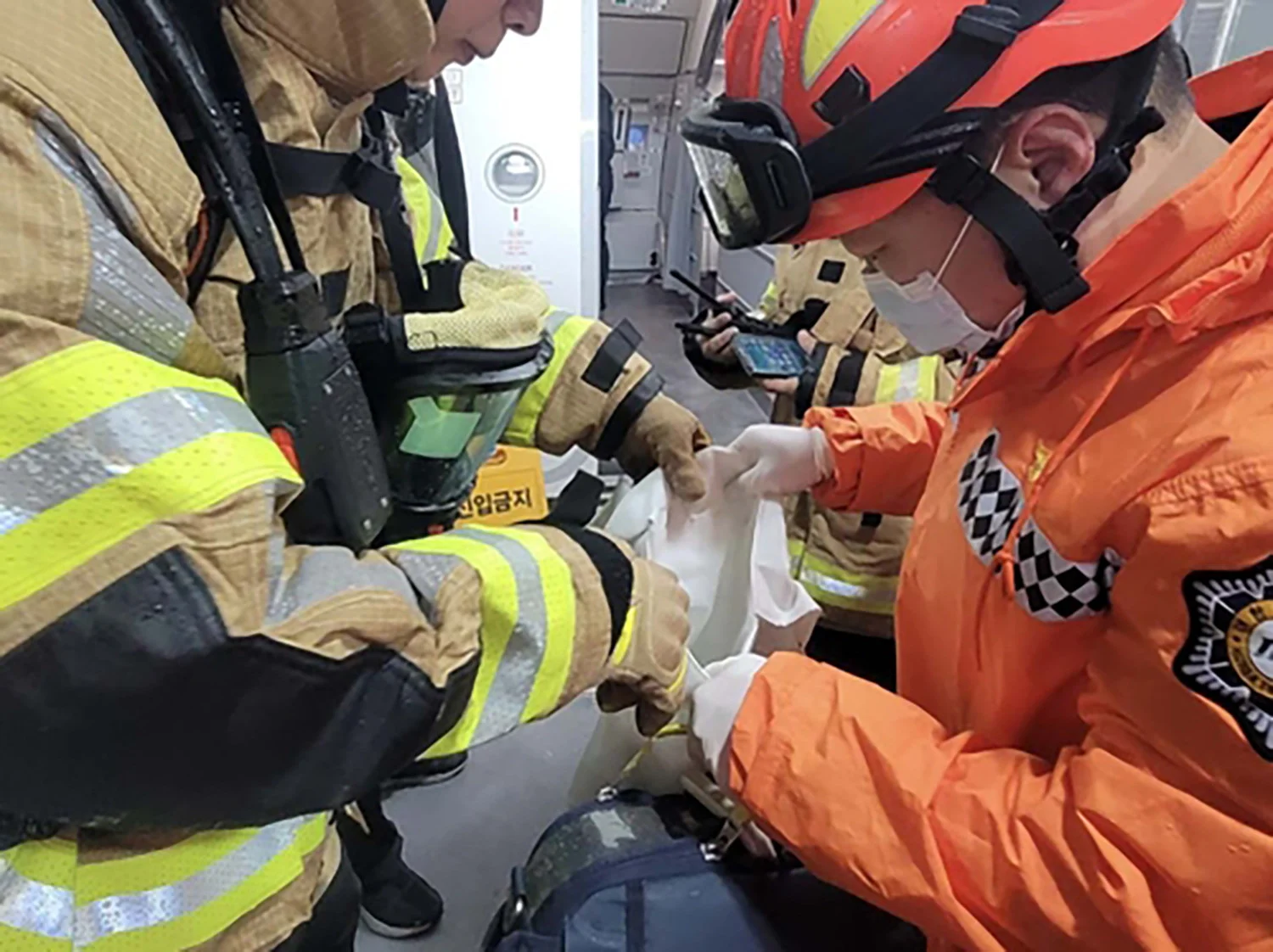
The cabin crew responded by placing the battery-powered device inside a fire containment bag, a specialized bag designed to help contain fires involving batteries during flights. They then submerged the device in water as part of their efforts to extinguish the potential fire and prevent further danger.
Local firefighters arrived at the runway area of Jeju International Airport at approximately 6:32 a.m. local time and stood by to assist when the aircraft landed. Emergency personnel prepared to respond in case the incident developed into a more serious onboard fire.
After confirming that there was no further risk of fire or renewed smoke inside the cabin, airport medical personnel provided first aid to the injured passenger. Fire authorities said the passenger declined ambulance transportation and chose to seek medical treatment at a hospital independently.
The aircraft landed safely in Jeju, and the other passengers were reported to be safe. The available reports did not provide further details about the injured passenger’s condition or the extent of the injuries.
The incident highlights the potential safety risks posed by overheating battery-powered devices during air travel. In this case, the crew’s prompt response helped address the situation before the aircraft completed its landing.