
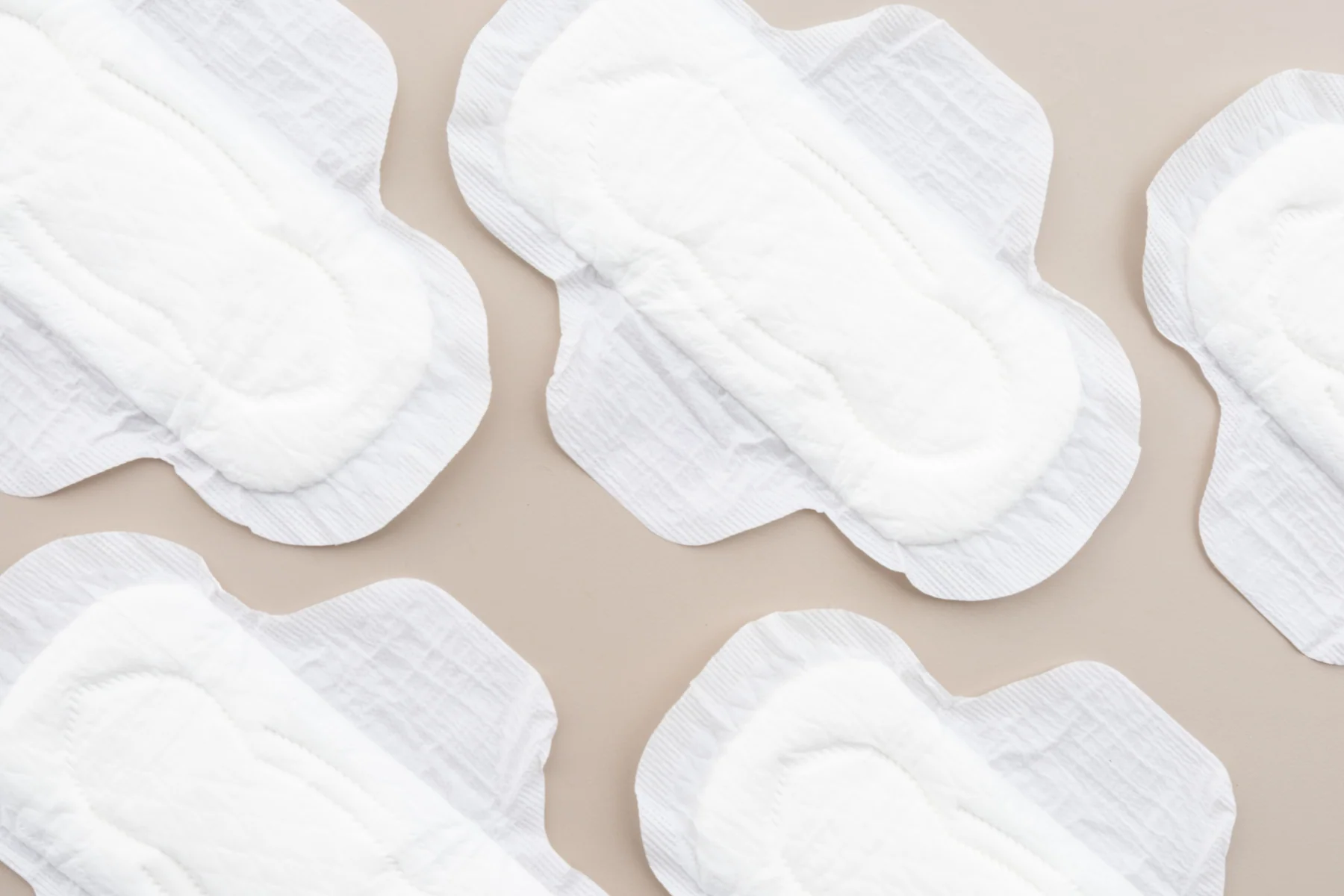
Jakarta, ThedailyID — Scotland became the first country to provide free menstrual products nationwide in November 2020. The policy aims to tackle period poverty, a problem that prevents many women and girls from accessing sanitary pads, tampons, and proper menstrual hygiene facilities.
According to UN Women, period poverty refers to the inability to afford or access menstrual products, sanitation facilities, hygiene services, and education about menstrual health. The problem can disrupt daily life, forcing some girls to miss school and women to lose working hours.


Scotland Leads With Free Menstrual Products
Scotland introduced its free menstrual product policy in November 2020 through the Period Products Act. Monica Lennon, a Scottish Labour politician, championed the legislation from 2016.
Women and girls can access free products at public locations, including community centers, youth clubs, and pharmacies. Scotland had also begun providing menstrual products in all schools in 2017.
Lennon said in 2022 that the legislation offered hope amid the rising cost of living. She highlighted the value of political cooperation in addressing public needs.
How Other Countries Provide Menstrual Products
Several countries have introduced free menstrual products in schools or selected regions, although the policies differ in scope.
- New Zealand: Began distributing free menstrual products in schools in 2021.
- Kenya: Introduced free sanitary pads in schools in 2018.
- Australia: Announced plans to provide free products in public schools in 2018. Victoria introduced the program in 2020, followed by New South Wales in 2021.
- United States: New York City passed a law providing free pads and tampons in schools in 2016. Several states, including Illinois, Washington, New Hampshire, and Virginia, followed in 2018.
- Canada: British Columbia introduced a school-based requirement in 2019. Nova Scotia, Ontario, and Prince Edward Island later adopted similar measures. Prince Edward Island also extended access to shelters and food banks.
- France: The Île-de-France region began distributing free organic menstrual products in secondary schools in September 2020. In February 2021, French universities received instructions to install free pad and tampon dispensers.
- South Africa: Removed taxes on tampons in 2018 and committed to providing free menstrual products in schools, with some provinces implementing the policy.
- Botswana: Introduced free sanitary pads for schoolgirls in 2017.
- Zambia: Began providing free sanitary pads to girls in rural areas in 2019.
Where Are Menstrual Products Most Expensive?
A 2023 study by US-based online medical care company PlushCare examined the monthly cost of menstrual products and pain relief in 107 countries and across US states. Researchers compared local prices for tampons, pads, pantyliners, and painkillers with average monthly income.
The study identified Algeria, Jordan, and South Korea among the countries with the highest monthly costs for menstrual supplies.
- Algeria: US$34.05, approximately Rp618,000.
- Jordan: US$26.51, approximately Rp481,000.
- South Korea: US$25.40, approximately Rp461,000.
The study also compared costs with average monthly income. The United Kingdom recorded the lowest relative cost at 0.12% of average monthly income, followed by the United States at 0.2%.
Algeria had the highest relative cost at 14.8%. The five countries with the least affordable menstrual supplies in the study were all in Africa, where inflation contributed to rising costs.
Period Poverty Continues to Affect Education
Limited access to menstrual products and safe, private sanitation facilities remains a barrier to education. The report cited by CNN Indonesia estimates that one in 10 girls in African countries misses school because they lack adequate menstrual supplies or facilities.
Scotland’s nationwide policy offers one approach to addressing the problem. Elsewhere, governments have largely focused on schools, specific regions, or selected public facilities.