

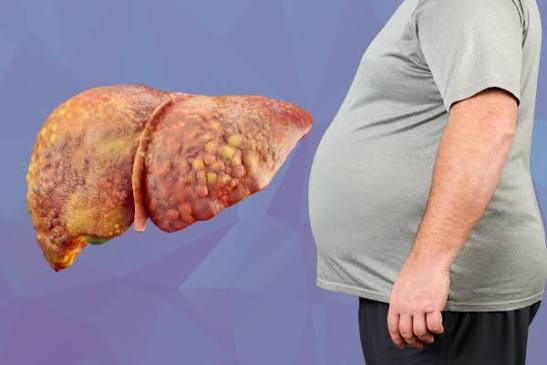
Jakarta, ThedailyID — Regularly consuming sugary drinks such as iced milk coffee, sweet tea, and bubble tea may increase the risk of fatty liver disease, particularly when combined with a high-calorie diet and limited physical activity.
Fatty liver develops when excessive fat accumulates in liver cells. If the condition progresses, the buildup can contribute to inflammation and more serious liver damage.


One form of the condition, known as Metabolic dysfunction-Associated Steatotic Liver Disease (MASLD), is associated with metabolic problems and lifestyle factors, including high-calorie diets, ultra-processed foods, and physical inactivity.
Excessive sugar intake, particularly fructose, can contribute to fat accumulation in the liver. While glucose can provide energy to various body cells, fructose is primarily processed by the liver. When consumed in excess, the liver can convert it into fat through a process called de novo lipogenesis.
Over time, this process can increase fat deposits in liver cells. High sugar consumption is also associated with insulin resistance, which can disrupt fat metabolism and contribute to further fat accumulation.
Fatty Liver May Develop Without Clear Symptoms
Fatigue can occur in people with fatty liver disease, but it is not a specific symptom and may result from various other conditions.
Fatty liver is often described as a silent disease because it may cause no noticeable symptoms in its early stages. Therefore, persistent tiredness alone is not enough to determine whether someone has the condition.
Medical evaluation can help identify the cause of prolonged fatigue, particularly in people with metabolic risk factors.
Who Is at Risk?
Several conditions can increase the risk of MASLD, including obesity, type 2 diabetes, prediabetes, high cholesterol or triglyceride levels, and hypertension. Frequent consumption of sugary drinks can also contribute to excessive calorie intake and metabolic problems.
People with normal body weight are not necessarily protected. Lean MASLD can occur in people with normal weight and may be associated with genetic factors, insulin resistance, or fat accumulation around internal organs.
How to Reduce the Risk
Limiting sugary drinks is one practical step. Water can serve as the primary source of daily hydration. Those who still consume sweetened beverages should pay attention to portion sizes and added sugar content, as a “less sugar” label does not necessarily mean a drink is sugar-free.
People with excess weight may benefit from gradual weight loss. A balanced diet rich in vegetables, whole fruits, whole grains, nuts, and unsaturated fats can also support metabolic health. Meanwhile, limiting ultra-processed foods, added sugars, and foods high in saturated or trans fats can help manage calorie intake.
Regular physical activity is another important measure. Adults are generally advised to engage in at least 150 minutes of moderate-intensity exercise each week, adjusted to their abilities and health conditions.
People with diabetes, hypertension, obesity, or high cholesterol should discuss their fatty liver risk with a doctor. Medical evaluation is also important for those experiencing persistent fatigue without a clear cause.