

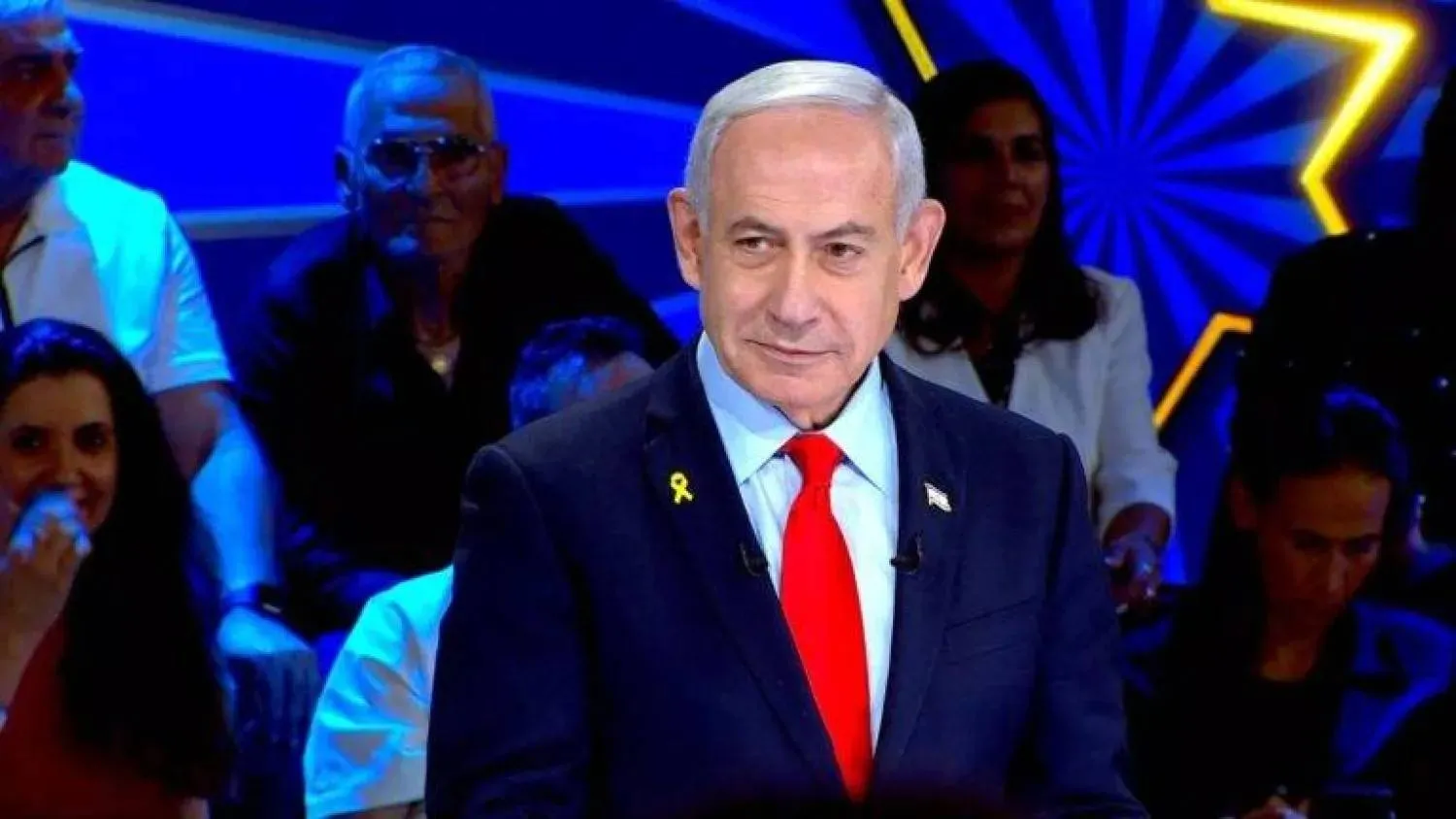
Jakarta, ThedailyID — Israel is set to hold a general election on Tuesday, October 27, 2026. Voters will choose party lists rather than individual candidates, and the results will determine the composition of the Knesset, Israel’s parliament.
The country uses a proportional representation system to allocate parliamentary seats. Parties must secure at least 3.25% of the national vote to enter the Knesset.


Winning the most votes does not automatically guarantee the prime ministership. A governing coalition needs at least 61 of the Knesset’s 120 seats to secure a majority. No single party has ever won that majority alone.
After the election, parties will negotiate to build a coalition. The process can take days, weeks, or even months.
“There are many issues that will make coalition formation very difficult,” said Elliot Abrams, a researcher at the Council on Foreign Relations, according to the think tank.
Key disputes include whether Arab parties will join the next coalition, whether ultra-Orthodox groups should be required to serve in the military, and whether opposition figures would support a Netanyahu-led government that excludes the far right.
Against this backdrop, several political figures are competing for a chance to lead the next government.
Benjamin Netanyahu
Netanyahu remains a central contender through his Likud party. According to the source report, Likud has won nine of the 17 elections in which it has participated, out of 25 general elections held in Israel.
If Likud and its allies secure enough seats to form a governing majority, Netanyahu could remain prime minister. However, his coalition has faced changes in its composition.
The coalition initially included Otzma Yehudit, led by National Security Minister Itamar Ben-Gvir, Shas, led by Aryeh Deri, and the Religious Zionism Party, led by Bezalel Smotrich.
Ben-Gvir withdrew from the coalition in 2025 after Netanyahu agreed to a ceasefire with Hamas. In September 2026, Smotrich formed a new alliance with the Zehut party.
Gadi Eisenkot
Gadi Eisenkot, founder of the Yashar party, is another challenger. He left parliament in July 2025 and subsequently departed from Benny Gantz’s National Unity alliance.
Polling cited in the source report shows differing estimates of support for Eisenkot and Likud. A Channel 12 survey projected 23 seats for Yashar, compared with 20 for Likud. A Channel 14 survey, described as pro-Netanyahu, projected 30 seats for Likud and 20 for Eisenkot.
These figures reflect separate polls, not election results.
Naftali Bennett
Naftali Bennett previously served as prime minister from June 2021 to June 2022. Last year, he established his own party, Bennett 2026.
In April 2026, the party agreed to merge with Yair Lapid’s Yesh Atid. The alliance registered with the election committee under the name Beyachad.
The alliance presents itself as a liberal Zionist, center-right movement. Its priorities include reforming military conscription to bring ultra-Orthodox groups into service and reducing the cost of living.
Yair Golan
Yair Golan, a former senior officer in the Israel Defense Forces, is also among Netanyahu’s challengers. He established the Democrats party.
Avigdor Lieberman
Avigdor Lieberman is a prominent right-wing politician who has openly challenged Netanyahu. He founded the Yisrael Beiteinu party in 1999 to represent the interests of Russian-speaking Jewish immigrants who had recently moved to Israel.
The election’s outcome will depend not only on each party’s seat count but also on its ability to negotiate a coalition. With disagreements over military service, the role of Arab parties, and the participation of far-right factions, government formation could prove difficult.