

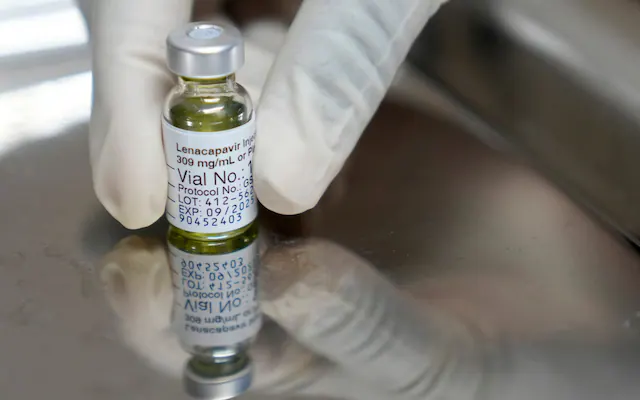
Jakarta, ThedailyID — An experimental HIV treatment has successfully passed its first human clinical trial, marking another step toward developing more effective therapies for people living with the virus.
The drug, known as VH-499, works by blocking HIV’s capsid protein, which the virus needs to reproduce. Without the protein, HIV cannot multiply to dangerous or transmissible levels.


“Advances in treatment and prevention have transformed HIV-1 into a manageable chronic condition and reduced transmission rates,” clinical pharmacologist Rulan Griesel and colleagues wrote in a study cited by ScienceAlert.
Researchers first tested VH-499 in preclinical laboratory studies. The drug successfully disrupted the virus’s ability to produce its protective protein shell, known as the capsid.
The team then advanced to a Phase 2a randomized, double-blind, placebo-controlled trial. Earlier findings, presented in 2024, showed the drug was well tolerated in adults without HIV.
The latest Phase 2a trial enrolled 30 adults with HIV-1 who had not yet started antiretroviral therapy. All participants had viral loads exceeding 3,000 copies per milliliter, a level considered high.
On the first day, 20 participants received oral VH-499 at doses of 25 mg, 100 mg, or 250 mg. All participants began standard antiretroviral therapy on Day 11.
Researchers found that participants who received VH-499 experienced a reduction in viral load. The largest decline occurred among those taking the highest dose.
Meanwhile, participants who received a placebo showed no meaningful change in viral load.
“We demonstrated that VH-499 has potent antiviral activity, was well tolerated, and showed a favorable safety profile in adults with HIV-1 who had not previously received antiretroviral therapy,” the researchers concluded.
The findings represent an early milestone for VH-499. Larger clinical trials will still be needed before researchers can confirm its long-term safety and effectiveness.