
Jakarta, ThedailyID — Spain’s North African enclave of Ceuta has returned to the global spotlight after tens of thousands of Moroccan migrants attempted to reach the territory in one of the region’s biggest migration surges.
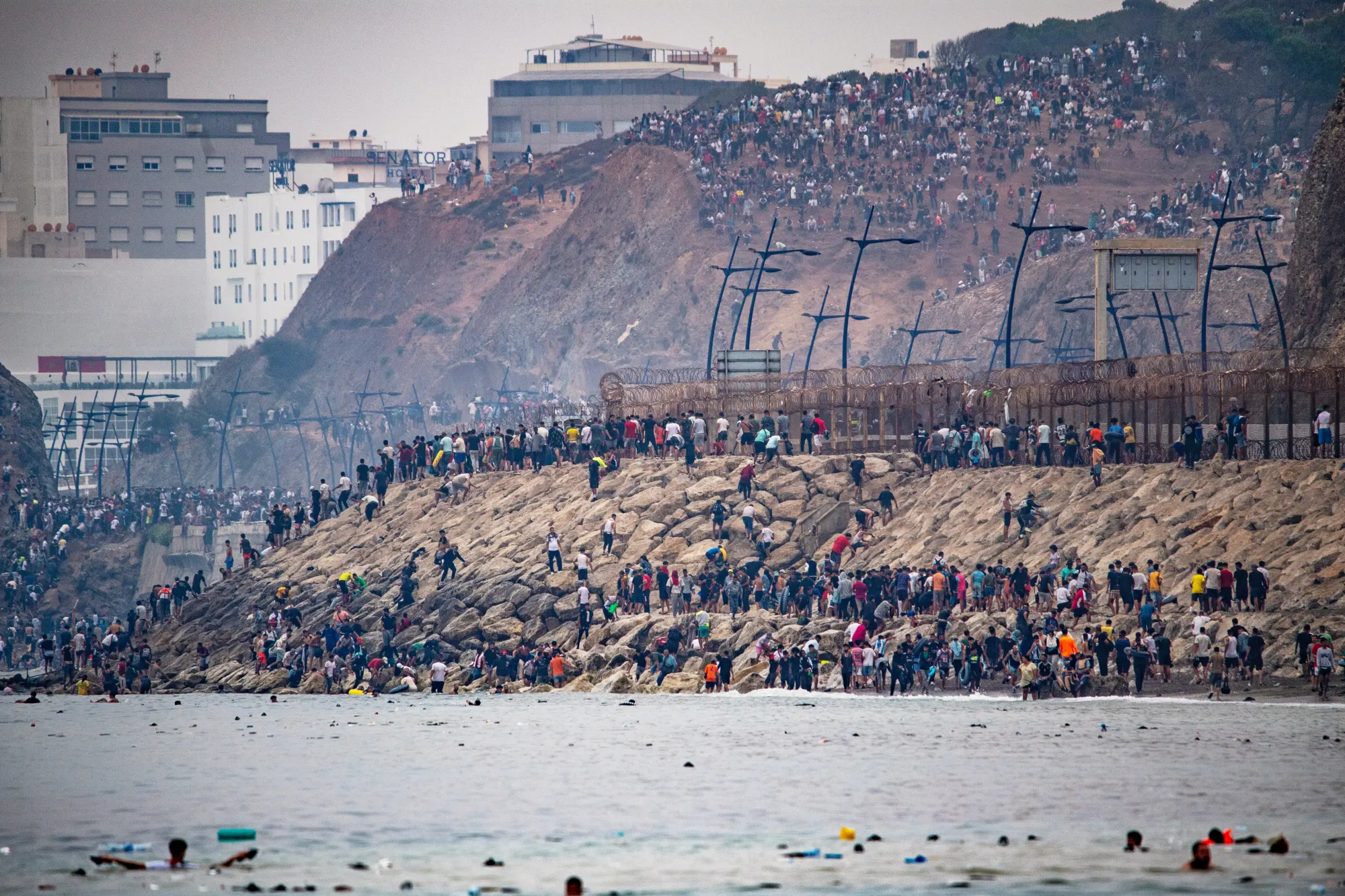
Around 60,000 people tried to enter Ceuta last week by crossing the sea from neighboring Morocco. Authorities returned more than 48,000 migrants within 48 hours. However, the crossing turned deadly. At least 72 people died, while more than 1,000 others required medical treatment, according to Al Jazeera.


Many migrants drowned during the dangerous journey. Others died after crowds crushed them while they climbed breakwaters and heavily fortified border fences.
Ceuta, together with nearby Melilla, forms Spain’s only land border with Africa. Although both territories sit on Morocco’s northern coast, Spain governs them as part of the European Union. As a result, many migrants see them as gateways to Europe.
To reach Ceuta, many migrants swim about five kilometers from the Moroccan city of Fnideq. They often face strong currents and tight border security.
Meanwhile, Ceuta has attracted competing powers for centuries because of its strategic location near the Strait of Gibraltar. The city once served as a major trading center for gold, ivory, and slaves.
Portugal captured Ceuta in 1415. Later, Spain took control after King Philip II united the Spanish and Portuguese crowns. When Portugal regained independence in 1640, Ceuta chose to remain under Spanish rule. The Treaty of Lisbon formally recognized Spanish sovereignty in 1668.
During the Spanish Civil War, General Francisco Franco launched part of his military campaign from Ceuta before taking power in 1939. Later, his government fully integrated the enclave into Spain.
Morocco gained independence in 1956. However, it has never accepted Ceuta as Spanish territory. Instead, Rabat continues to claim the enclave, making it a long-running source of diplomatic tension.
Finally, Spain granted Ceuta autonomous city status in 1995 to strengthen its legal position. Even so, the enclave remains one of Europe’s busiest migration hotspots, as thousands continue risking their lives in hopes of reaching the continent.