

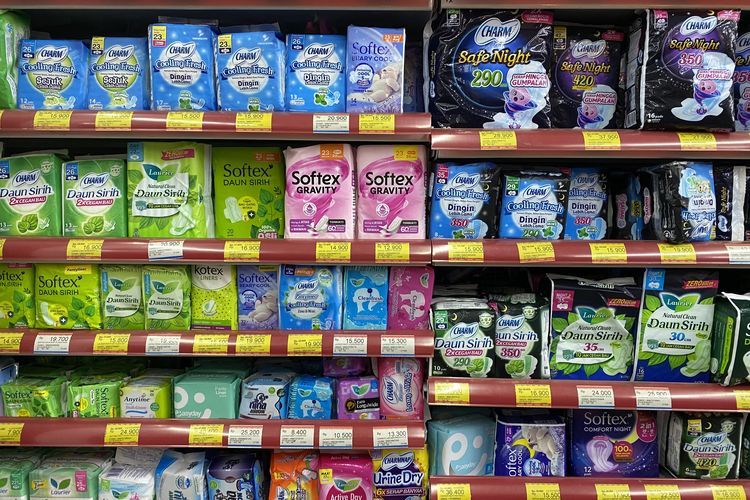
Jakarta, ThedailyID — Indonesia’s Directorate General of Taxes (DJP) has explained why sanitary pads remain subject to an effective 11% value-added tax (VAT). The tax authority classifies the products as non-luxury taxable goods that do not currently qualify for a VAT exemption.
According to the DJP, sanitary pads are subject to the country’s general consumption tax rules. The agency explained the policy through its official Instagram account, @ditjenpajakri, on Sunday, November 1, 2026.


Under the current mechanism, sanitary pads carry a statutory VAT rate of 12%. However, the government applies a special tax base equal to 11/12 of the selling price. As a result, consumers pay an effective VAT rate of 11%.
The DJP also stressed that the tax does not specifically target women or menstruation. Instead, it forms part of the broader VAT system applied to goods under Indonesia’s tax regulations.
“VAT on sanitary pads is not a tax specifically imposed on women or menstruation. It is part of the VAT system applicable to the consumption of goods under the prevailing laws and regulations,” the agency stated.
Nevertheless, the DJP acknowledged that sanitary pads are essential products for women’s health, hygiene, and comfort. However, VAT exemptions only apply to specific categories of goods established by law. Sanitary pads are not currently included.
The agency added that any proposal to change tax facilities requires further assessment. Such a review must consider existing regulations, the impact on society, and potential consequences for state revenue.
Previously, the Indonesian Trade Union Confederation (KSPI) and the Labour Party urged the government to eliminate VAT on sanitary pads. They want the effective rate reduced from 11% to zero.
KSPI President and Labour Party President Said Iqbal argued that sanitary pads are essential necessities rather than luxury goods. He also noted that they are included among the 64 components used to assess decent living needs (KHL), which serve as a reference for minimum wage surveys.
“Sanitary pads are a primary necessity, just like rice and cooking oil. They are essential goods, not luxury items. Why should they be subject to an 11% tax? That is very high,” Said said during an online press conference on Tuesday, November 3.
KSPI and the Labour Party have asked President Prabowo Subianto to direct Finance Minister Suahasil Nazara to consider the proposed exemption. Said believes the policy could help protect women’s purchasing power, particularly among workers with limited incomes.