

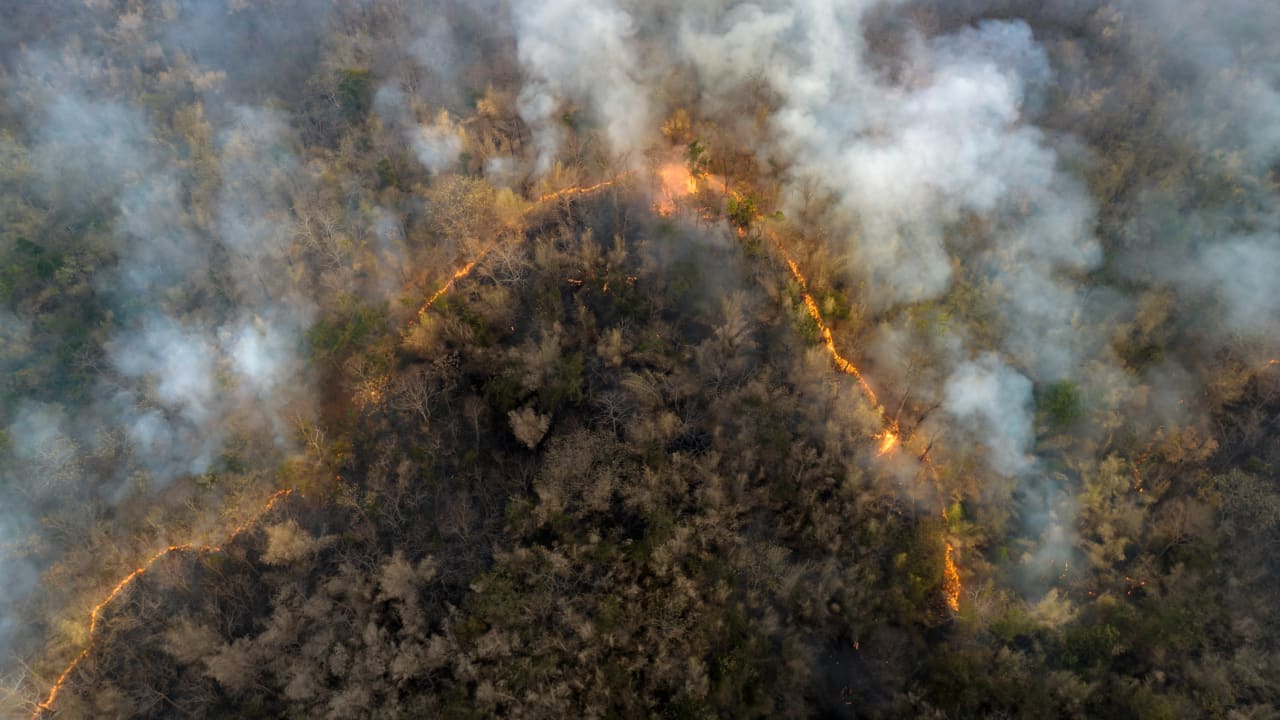
Jakarta, ThedailyID — Wildfire smoke can make the air feel stuffy, reduce visibility and irritate the eyes and throat. However, the health risks go beyond the discomfort people can immediately feel.
According to the World Health Organization (WHO), wildfire smoke contains a mixture of pollutants, including PM2.5, PM10, carbon monoxide, ozone, nitrogen dioxide and sulfur dioxide.

PM2.5 is particularly concerning because the particles are small enough to travel deep into the lungs. They can trigger irritation and inflammation in the respiratory system.
As a result, people may develop coughing, an itchy throat, shortness of breath or wheezing. Smoke exposure can also worsen symptoms in people with asthma or other lung conditions.
Wildfire smoke does not directly cause acute respiratory infections (ARI). ARIs result from microorganisms such as viruses or bacteria. However, smoke can irritate the respiratory tract and weaken its defenses, potentially increasing vulnerability to respiratory problems and infections.
The effects can also extend beyond the lungs. The U.S. Environmental Protection Agency (EPA) says inflammation and particles from the lungs can affect the bloodstream and contribute to cardiovascular problems.
These effects may disrupt blood vessel function, heart rate and blood pressure regulation. People with existing heart conditions may face greater risks from exposure to fine particles.
Research has also examined the impact of peatland fires in Indonesia. A study published in Environmental Health estimated that PM2.5 exposure from peat fires in Sumatra and Kalimantan was associated with thousands of additional respiratory hospitalizations each year.
The researchers also estimated hundreds of thousands of severe asthma attacks among children and tens of thousands of premature deaths annually. However, these figures came from modeling and do not represent directly recorded wildfire deaths.
Wildfire smoke can also travel far from the original fire. Therefore, people do not necessarily need to live near a fire to experience its effects.
Children, older adults, pregnant women and people with existing lung or heart conditions should take extra precautions when air quality deteriorates because of wildfire smoke.