

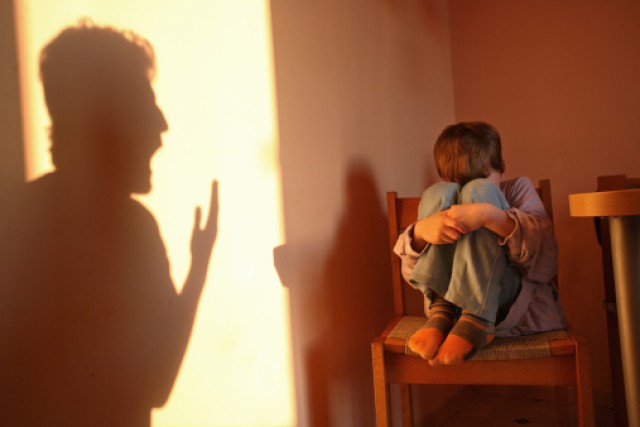
Jakarta, ThedailyID — Negative experiences during childhood, including abuse, can affect workplace performance later in life, according to a study published in the peer-reviewed journal Taylor & Francis Online in May 2026.
Researchers found that young workers in Singapore who experienced abuse, household drug exposure, or childhood poverty reported poorer health perceptions. They also showed lower workplace security and less optimism about their future.


Associate Professor Carys Chan of Griffith Business School led the study alongside researchers from the Department of Social Work and the Centre for Social Service Research at the National University of Singapore (NUS).
The team surveyed 1,229 respondents across two phases. The first took place between October 2020 and March 2021, while the second ran from November 2021 to May 2022.
The findings showed that nearly 60% of participants experienced at least one major childhood hardship. Around 15% faced two adverse experiences, while 4% reported all three.
Researchers also found that workers with lower educational attainment were more likely to report difficult childhood experiences than those with higher qualifications.
Similarly, low-income workers showed a higher prevalence of childhood adversity. Among 448 respondents in the lower-income group, roughly two-thirds reported at least one negative childhood experience.
The study linked adverse childhood experiences to poorer self-assessments of physical health. In turn, participants often reported lower self-efficacy, or confidence in their ability to handle tasks and challenges.
Furthermore, researchers found a connection between childhood trauma and poorer mental health. Many participants expressed greater concerns about job security and felt less hopeful about the future.
The findings highlight how childhood experiences can shape health, confidence, and career outcomes well into adulthood. Therefore, researchers stress the importance of early intervention and support systems to help reduce long-term impacts.