
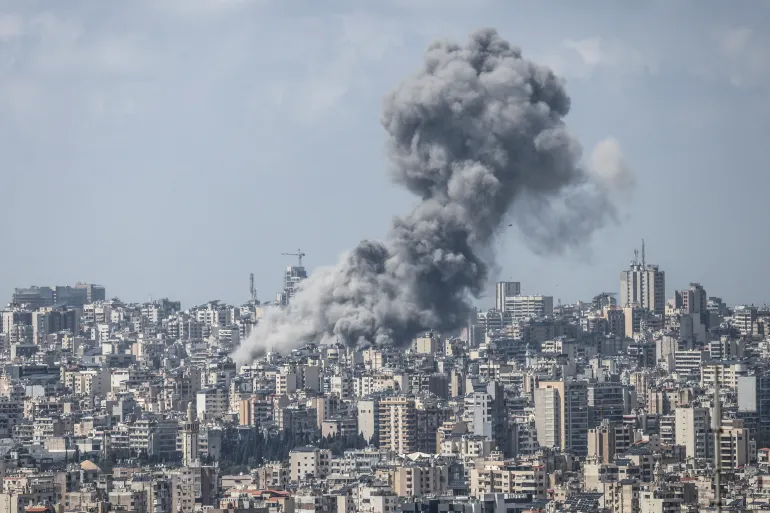
Jakarta, ThedailyID — At least 182 people were killed and hundreds more injured across Lebanon after Israel carried out strikes on around 100 targets, marking one of the most intense escalations in recent weeks (April 8, 2026).
According to Al Jazeera, the strikes hit multiple areas in southern and eastern Lebanon, including border regions that have seen repeated exchanges of fire. Several sites targeted were believed to be linked to Hezbollah.

Lebanese health authorities said the death toll could rise further as rescue operations continue. Emergency crews worked through the night to search for survivors trapped under rubble.
The Israeli military said it struck weapons depots, launch sites, and other militant infrastructure. Officials described the operation as a response to ongoing cross-border attacks and security threats.
Meanwhile, hospitals in affected areas struggled to cope with the influx of casualties. Medical facilities faced shortages of supplies and staff as the number of wounded continued to increase.
Witnesses reported widespread destruction in several towns. Airstrikes damaged residential buildings, roads, and public infrastructure. In some areas, entire buildings collapsed, raising concerns about civilian casualties.
In addition, reports from BBC News and CNN noted that the escalation followed days of rising tensions along the Israel–Lebanon border. Exchanges of fire between Israeli forces and Hezbollah fighters have intensified in recent weeks.
Hezbollah has not released a full official response regarding the scale of the strikes. However, the group has previously warned it would retaliate, increasing fears of further escalation.
Analysts say the situation remains highly volatile. Continued strikes and counterattacks could expand beyond border areas and draw in additional regional actors.
Moreover, humanitarian concerns are growing. Aid organizations warned that ongoing violence could displace more civilians and worsen conditions in already vulnerable communities.
International reactions have also intensified. Several governments and global institutions called for restraint and urged both sides to avoid further escalation. They emphasized the need to protect civilian lives and prevent a wider regional conflict.
The latest strikes highlight how fragile the situation remains in the Middle East. As tensions continue to rise, the risk of a prolonged and broader confrontation becomes increasingly likely.