
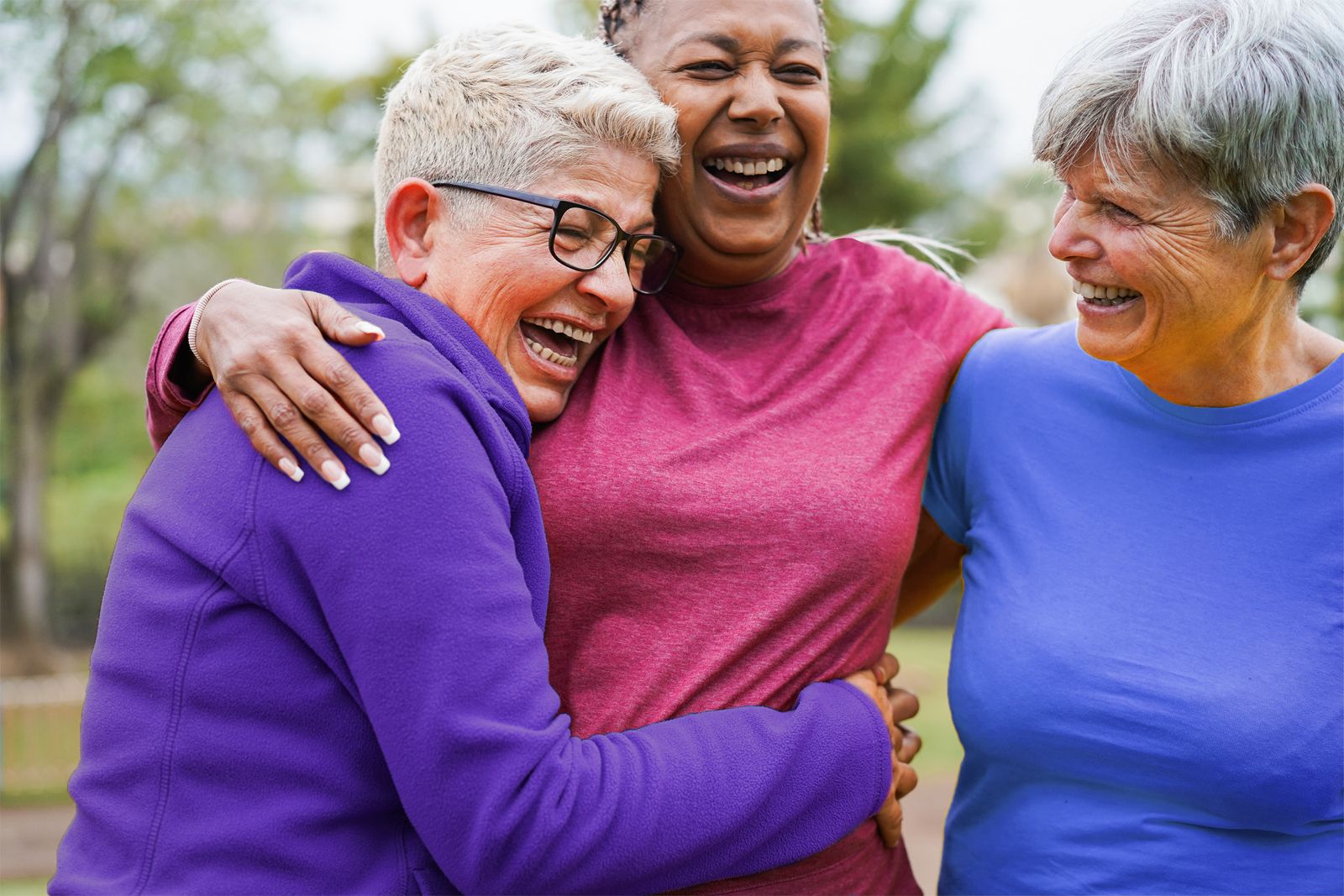
Jakarta, ThedailyID — The #GiveToGain theme for International Women’s Day 2026 encourages people to see generosity as a way to create lasting positive change for others and for themselves.
Women across Asia Pacific, including Indonesia, balance multiple roles in daily life. Many work as professionals, manage household decisions, and provide emotional support for their families. These responsibilities often lead to rushed meals, lack of sleep, and rising stress levels. Over time, these pressures push health and wellness to the background.


Vipada Sae-Lao, Nutrition Education and Training Lead for Asia Pacific at Herbalife, said women who invest in their own health strengthen their families, workplaces, and future generations. She added that strong health gives women the energy and resilience they need to support their roles at work and at home.
Women in the region also face a growing nutrition paradox. Adult obesity continues to rise in many countries. At the same time, child stunting and anemia among women of reproductive age remain common. This double burden affects energy levels, immunity, and long-term health.
Balanced nutrition forms the foundation of preventive health. Proper diets support stable metabolism, strong immunity, and healthy aging across a woman’s life cycle. Research also shows that many women in Asia lack key micronutrients such as iron, folate, and vitamin B12, even when calorie intake appears sufficient.
Hydration also plays a critical role in daily health. Drinking enough water helps the body absorb nutrients and maintain normal functions. Many experts recommend around two liters of fluid each day. Choosing low-sugar drinks and managing caffeine intake can support healthy hydration habits.
Hormonal changes also shape women’s nutritional needs over time. During menstruation, women lose iron regularly. Foods such as lean meat, lentils, legumes, leafy greens, and fortified cereals help restore iron levels. Vitamin C from fruits and vegetables helps the body absorb iron more effectively.
Menopause introduces new metabolic and hormonal changes. These changes can increase cardiovascular risks. Heart-healthy diets that emphasize fruits, vegetables, whole grains, and omega-3 sources such as fatty fish, flaxseeds, walnuts, and soy help maintain healthy cholesterol and triglyceride levels.
Women in their 40s may also experience declining estrogen levels. This shift can accelerate sarcopenia, the gradual loss of muscle mass and strength with age. Regular physical activity, especially resistance training, helps maintain muscle strength and bone health. Adequate protein intake from fish, lean meat, dairy, legumes, tofu, and seeds also supports muscle maintenance.
Experts say supplements can help close nutritional gaps. However, individuals should choose supplements based on personal needs and guidance from trained health professionals.
Sleep quality, physical activity, and stress management also influence long-term health. These habits support hormone balance, metabolic stability, and natural recovery processes in the body.
Health experts recommend about 150 minutes of moderate physical activity each week. Strength training further supports heart health, bone density, and muscle mass. Regular exercise can also improve sleep quality, especially for women after menopause.
Nutrition also influences mental health. Balanced diets that include omega-3 fats, regular meal schedules, proper hydration, and limited stimulants help stabilize mood and improve stress responses.
Research also shows that strong social networks improve women’s emotional well-being. Supportive relationships strengthen coping ability, reduce stress, and improve overall quality of life. Healthier women contribute to stronger families, communities, workplaces, and economies.
Sae-Lao concluded that long-term well-being begins with daily habits. She said consistent nutrition and preventive care allow women to support their health with greater awareness and balance.