Jakarta, ThedailyID — Gen Z and Millennials in Indonesia are taking a more holistic approach to health and wellness. More than half also say their well-being has improved compared with three years ago.
The findings come from Herbalife Indonesia’s Asia Pacific Wellness Culture Survey 2026. The survey highlights how younger consumers across Asia Pacific are changing the way they understand and pursue well-being.


The approach goes beyond physical fitness. Younger generations are paying more balanced attention to their physical, mental, emotional and social well-being.
In Indonesia, 72% of Gen Z and 79% of Millennials say they now take part in health and fitness activities more often than three years ago. Both figures exceed the national average of 71%.
“Gen Z and Millennials are showing a more conscious and committed approach to maintaining their health and fitness,” Herbalife Indonesia Director and General Manager Oktrianto Wahyu Jatmiko said.
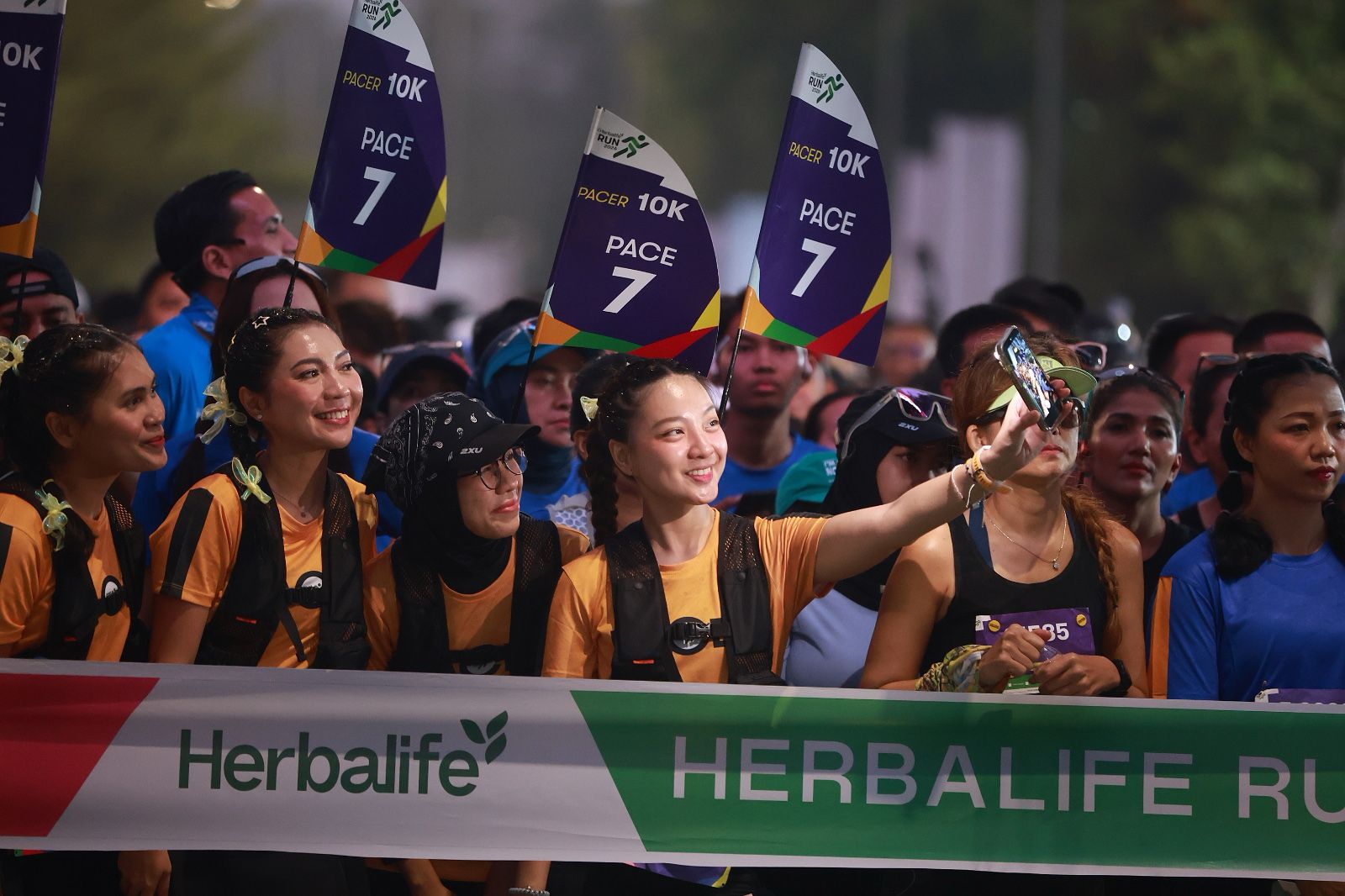
He pointed to the growing popularity of running, padel, pickleball, gyms, pilates, futsal and hiking. Social media has also helped these activities grow by connecting young people with communities that share similar interests and goals.
“This commitment to health and fitness not only has a positive impact in the short term, but also provides a foundation for younger generations to live healthier and more meaningful lives in the long term,” Oktrianto added.
For Gen Z in Indonesia, sleep quality and nutrition are among the biggest areas they want to improve. Some 52% identified sleep quality as a priority, while 50% pointed to nutrition or eating habits.
Mental health and stress management followed at 49%, while 36% highlighted emotional well-being. However, many Gen Z respondents have already taken steps to address these priorities.
Some 58% said they had improved their sleeping habits. Meanwhile, 56% said they had started choosing healthier foods and exercising regularly.
Mental health also stands out as an area where Gen Z wants more support. Around 74% of Indonesian Gen Z respondents identified it as a priority, ahead of physical health at 66% and emotional well-being at 59%.
Older generations, including Gen X and Baby Boomers, continue to place greater emphasis on physical health. The findings suggest that younger consumers increasingly view wellness as a combination of physical, mental and emotional health.
Digital communities also play a growing role in that journey. In the past 12 months, 64% of Gen Z respondents said social media had a positive impact on their physical health, while 54% said it positively affected their mental health.
Friends and social circles were another major influence, cited by 68% of Gen Z respondents. Online communities also played a role, with 43% saying they helped support healthier habits.
Millennials showed a similar pattern. Social media influenced their physical health for 62% of respondents, while 57% said it affected their emotional health and 55% their mental health.
“Whether through sports groups, fitness communities or digital networks, these connections help turn the intention to live healthier into sustainable habits,” Oktrianto said.
He added that running events, padel courts and fitness centers are increasingly bringing people together around shared health goals. As a result, wellness is becoming more integrated into the everyday lives of younger Indonesians.