

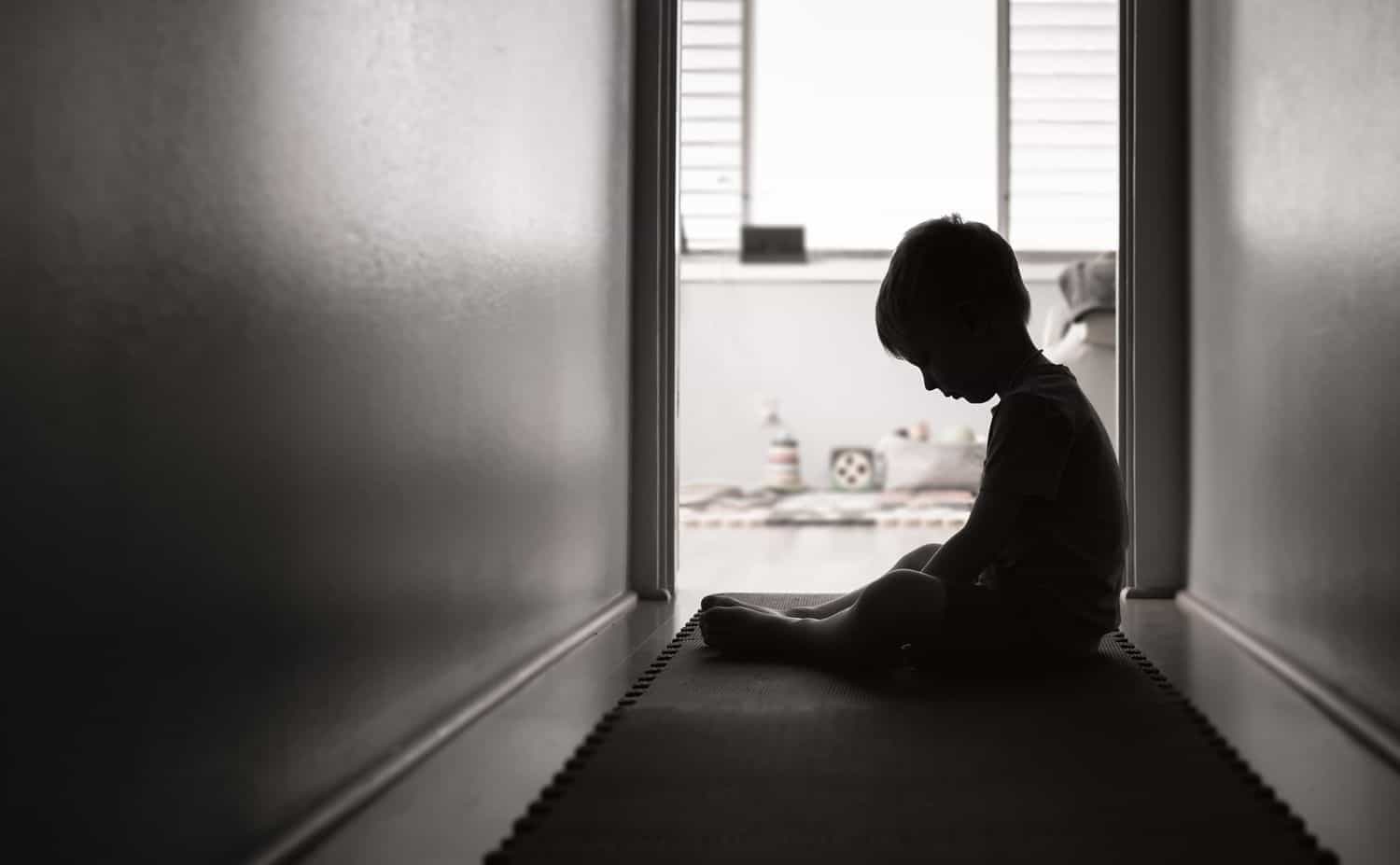


Jakarta, ThedailyID — Psychologists warn that parents who frequently compare children with their siblings may unintentionally create long-term psychological effects that continue into adulthood.
Experts say constant comparison can influence how children view themselves as they grow older. It may affect self-confidence, communication patterns, and emotional resilience in daily life.
One of the most common traits linked to this experience is excessive competitiveness. Children raised in highly comparative environments often feel pressured to constantly prove their worth.
As a result, many individuals grow up believing they must outperform others to gain recognition and appreciation.
In addition, psychologists say repeated comparisons may also encourage perfectionist tendencies. Many children begin chasing unrealistic standards because they fear disappointing parents or people around them.
Over time, this mindset can create emotional pressure that continues well into adult life.
Meanwhile, some individuals become overly obedient and struggle to refuse requests from others. They often avoid conflict because they fear rejection or disappointment.
Experts also note that childhood comparisons may contribute to insecurity and imposter syndrome later in life.
Even after achieving personal or professional success, some adults still feel inadequate or believe they are not truly deserving of their accomplishments.
Psychologists emphasize that family communication patterns play an important role in shaping a child’s emotional development.
Therefore, experts encourage parents to focus more on supporting each child’s personal growth instead of comparing achievements within the family.
They believe positive reinforcement and emotional support can help children develop healthier confidence and self-worth over time.