

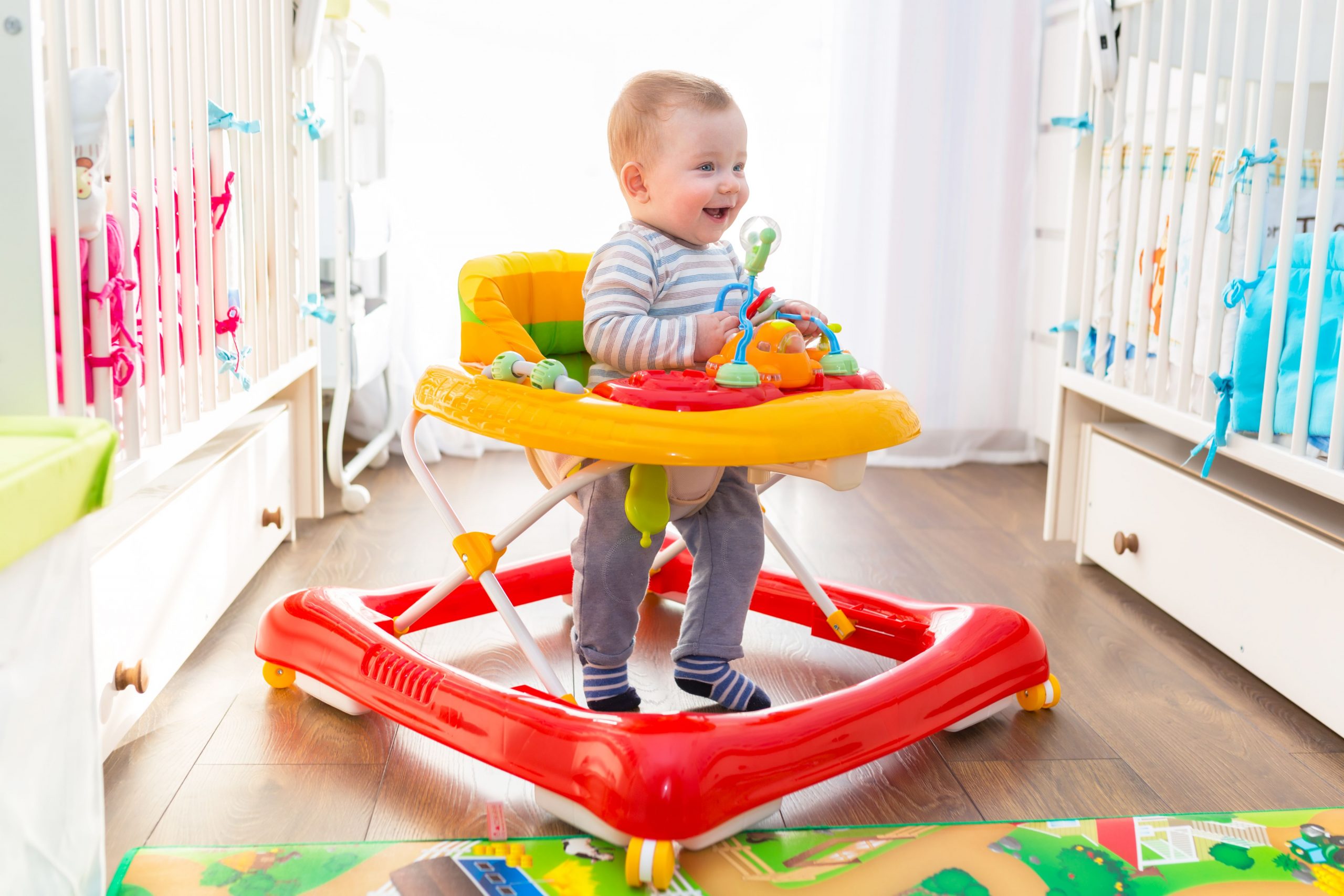
Jakarta, ThedailyID — Many parents believe baby walkers help infants learn to walk more quickly. However, health experts say there is no scientific evidence to support that claim. Instead, research suggests the devices may increase the risk of injury and even delay motor development.
According to the American Academy of Pediatrics (AAP), a baby walker is a wheeled device that allows infants to move around while seated. Babies propel themselves by pushing against the floor with their feet.


Meanwhile, Indonesia’s Ministry of Health also advises parents not to use baby walkers, commonly known locally as apolo. Experts warn that frequent use may encourage babies to walk on their toes instead of developing a natural walking pattern.
The greatest concern involves safety. A study published in the journal Pediatrics found that about 8,800 children under 15 months old received emergency treatment in the United States for baby walker-related injuries.
Most accidents occurred when babies fell down stairs. Many of those incidents resulted in head injuries.
In addition, baby walkers allow infants to move much faster than they normally could. The devices can travel more than 90 centimeters per second, enabling babies to reach dangerous places before caregivers can react.
As a result, babies face a higher risk of falls, burns, poisoning, and even drowning. Medical experts say the devices create a false sense of mobility before infants develop the coordination to recognize danger.
Furthermore, researchers found no evidence that baby walkers help babies walk earlier. Instead, prolonged use may interfere with normal physical development.
Babies naturally develop walking skills through several stages, including rolling over, crawling, pulling themselves up, balancing, and strengthening muscle coordination. Spending too much time in a baby walker can reduce opportunities to practice those essential skills.
Instead of using baby walkers, pediatric experts recommend safer alternatives. These include supervised floor play, tummy time, stationary activity centers without wheels, and push walkers for babies who have already started standing.
Overall, experts encourage parents to allow babies to develop motor skills naturally through active play and close supervision rather than relying on wheeled walkers.