

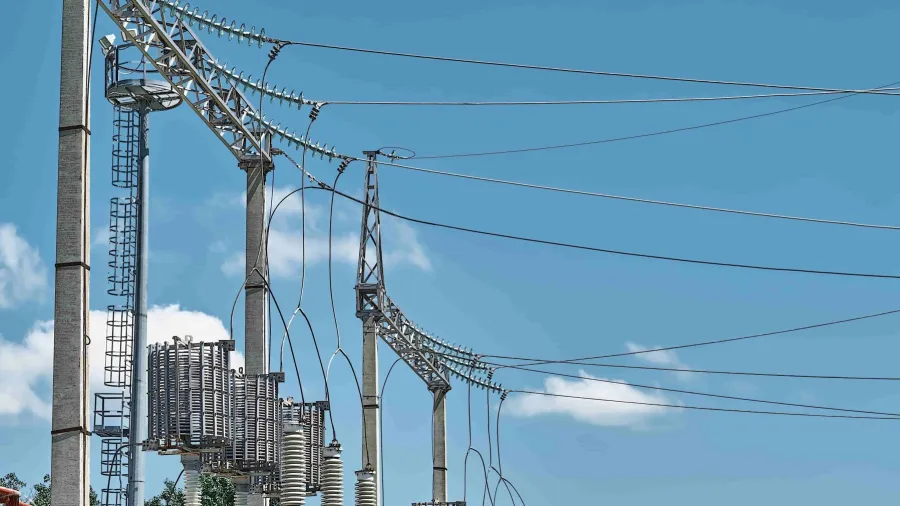
Jakarta, ThedailyID — Singapore and Malaysia have renewed their strategic energy partnership to strengthen bilateral cooperation. The agreement also comes as Singapore moves forward with plans to import 1.3 gigawatts (GW) of electricity through a regional energy project.
The Energy Market Authority (EMA) of Singapore and Malaysia’s Energy Commission (ST) signed the renewed memorandum of understanding (MoU) during the 19th Singapore International Energy Week (SIEW) on October 26, 2026.

The agreement establishes a framework for technical cooperation, regulatory exchanges, and knowledge sharing. Both countries will focus on electricity and gas system reliability, wholesale and retail electricity markets, cross-border power trading, renewable energy certificates, and interconnection capacity.
“The MoU will also strengthen collaboration on solar power systems and energy storage,” the two authorities said in a joint statement.
Malaysia’s Deputy Prime Minister and Minister of Energy Transition and Water Transformation, Datuk Seri Fadillah Yusof, attended the document exchange alongside Singapore’s Minister of State for Trade and Industry overseeing energy and industry, Dr. Tan See Leng.
Separately, EMA granted conditional approval to Sembcorp Utilities Pte Ltd to import 1.3 GW of electricity into Singapore. The project involves the MY Energy Consortium (MYEC), which includes Malaysia’s Petroliam Nasional Bhd (Petronas), Tenaga Nasional Bhd (TNB), and Vietnam’s PetroVietnam Technical Services Corporation (PTSC).
The agreement builds on a joint development agreement signed during the 46th ASEAN Summit in Kuala Lumpur in May 2025.
Through the project, Singapore aims to integrate low-carbon electricity from regional and domestic sources. These include offshore wind power from Vietnam and solar energy from Malaysia.
Sembcorp Utilities targets the start of electricity imports in 2035. In the coming years, the consortium will continue developing the project, securing regulatory approvals, finalizing power purchase agreements with buyers, and arranging financing.
The renewed partnership reflects both countries’ efforts to strengthen regional energy cooperation. However, the electricity import project still requires further development and the necessary approvals before deliveries can begin.