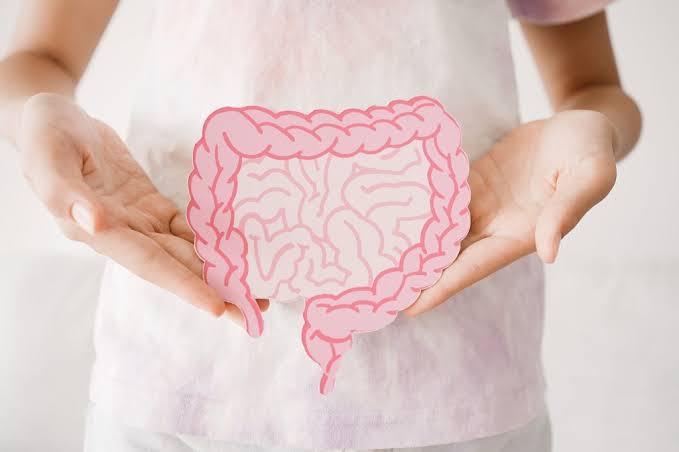
Jakarta, ThedailyID — Gut health involves more than regular bowel movements. The digestive tract contains trillions of microorganisms that form the gut microbiome. These microorganisms help digest food, maintain microbial diversity, and protect the intestinal lining.
Daily eating habits and lifestyle choices can affect this balance. Fortunately, several simple habits can help support the growth and diversity of beneficial gut bacteria.


Here are five ways to improve gut health.
1. Eat yogurt regularly
Yogurt can help support a healthy gut microbiome. Its fermentation process produces microorganisms, including Lactobacillus and other bacterial strains.
For the best option, choose yogurt with live cultures and little added sugar. You can also include it in your daily diet. Additionally, some people with lactose intolerance may tolerate yogurt better because fermentation reduces part of its lactose content.
2. Eat more fiber-rich foods
Fiber provides an important food source for beneficial gut bacteria. It also helps maintain a diverse microbiome.
You can get fiber from leafy greens, fruits, beans, oats, and whole grains. Try to eat a variety of these foods instead of relying on just one source.
However, increase your fiber intake gradually if you rarely eat fiber-rich foods. A sudden increase can cause bloating and excess gas.
3. Drink enough water
Adequate hydration supports digestion and helps keep stools soft. As a result, bowel movements can become easier.
Meanwhile, eating more fiber without drinking enough water may lead to dry, hard stools. This can cause bloating or make bowel movements more difficult. Therefore, drink fluids regularly throughout the day rather than waiting until you feel very thirsty.
4. Limit ultra-processed foods
Fast food, processed meat, packaged snacks, and sugary products often contain high levels of sugar, salt, or fat. They may also provide relatively few nutrients.
When consumed too frequently, these foods may affect the gut environment and disrupt the balance of microorganisms. Instead, choose whole or minimally processed foods more often.
For example, include more vegetables, fruits, beans, whole grains, and minimally processed protein sources in your meals.
5. Get enough sleep and exercise regularly
Gut health also depends on habits beyond diet. Sufficient sleep helps regulate the body’s circadian rhythm, which is linked to the gut microbiome.
In addition, regular physical activity can support microbial diversity, bowel movements, and metabolic health. Adults generally need around seven to nine hours of sleep each night.
Meanwhile, adults should aim for at least 150 minutes of moderate-intensity physical activity each week. Combined with a balanced diet, these habits can help support digestive health over time.