

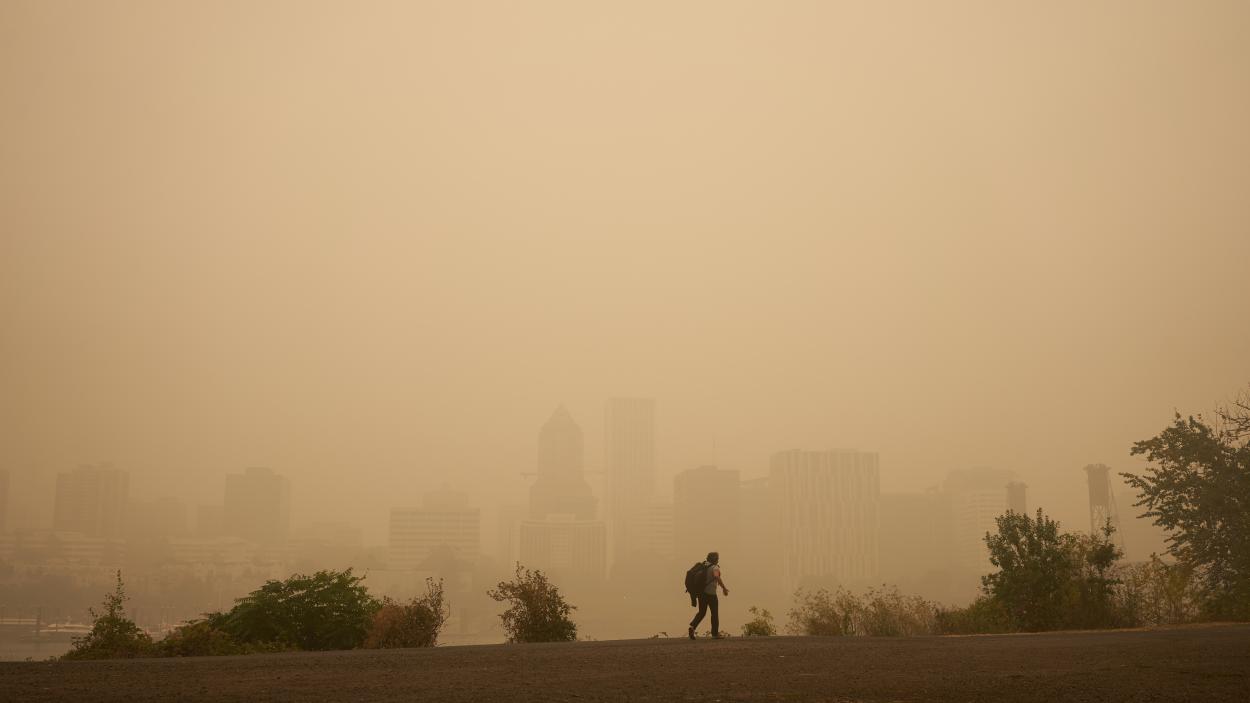
Jakarta, ThedailyID — Wildfire smoke may pose a risk beyond respiratory health. A recent study found that exposure to wildfire smoke could also affect male reproductive health.
The study, published in Fertility and Sterility, found links between wildfire smoke exposure and lower total sperm count, sperm concentration and sperm motility.


Researchers from the University of Washington in Seattle analyzed semen samples from 84 men undergoing intrauterine insemination (IUI). The samples came from patients exposed during wildfire smoke events between 2018 and 2022.
“Wildfire smoke is now a real threat to men’s reproductive health. As wildfires become more frequent and intense, it is important to understand how smoke exposure affects fertility,” said Dr. Tristan Nicholson, assistant professor of urology at the University of Washington, as reported by Fertility and Sterility, Friday (04/09/26).
Researchers believe pollutants in wildfire smoke can enter the bloodstream after inhalation. These toxic substances may then reach organs throughout the body, including the testes, which produce sperm.
The study also found an 11 percent pregnancy rate among couples in the group. The live birth rate stood at 9 percent, which researchers described as being at the lower end of the general population range.
Other research has also pointed to a potential link between air pollution and sperm health. An animal study published in JAMA Network suggested that particulate matter can interfere with sperm maturation.
A separate analysis of 90-day exposure to air pollutants found associations between several pollutants and sperm parameters. Sulfur dioxide (SO2) showed a link with sperm morphology, while ozone (O3) was associated with progressive motility and vitality.
The World Health Organization estimates that infertility affects around 15 percent of couples globally. Male factors account for roughly 40 to 70 percent of infertility cases.
The researchers hope the findings will raise awareness of the less visible health risks associated with wildfire smoke, particularly for people living or working in areas affected by heavy smoke.