

Jakarta, ThedailyID — Losing someone you love can trigger intense emotional and physical reactions. But can grief actually become dangerous enough to threaten your life?
According to TED-Ed, one medical phenomenon that may help answer the question is the widowhood effect. Studies of older couples have found that a person’s risk of dying can increase significantly in the months following the death of a spouse.

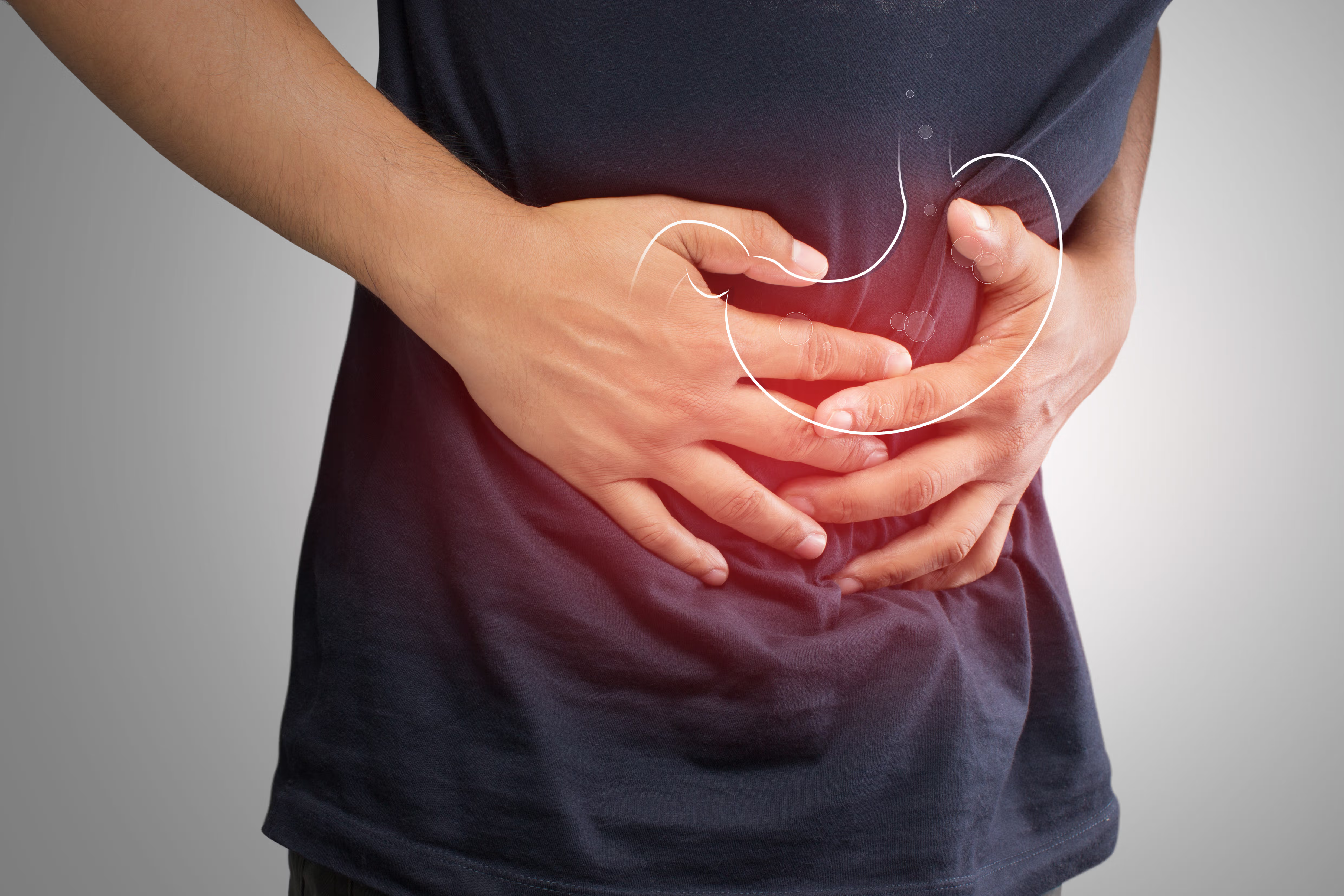
Severe grief and depression have been associated with higher levels of inflammatory proteins, potentially affecting the immune system. Chronic stress can also disrupt hormone levels, digestion and immune function.
The Heart Can React to Extreme Emotions
A condition known as takotsubo cardiomyopathy, or broken heart syndrome, shows how powerful emotions can directly affect the heart.
The condition was first named by Japanese doctors in 1990. Its name comes from takotsubo, a Japanese octopus trap, because the affected heart can develop a distinctive shape.
It Can Be Triggered by Both Grief and Happiness
Takotsubo cardiomyopathy often occurs after a sudden traumatic or highly emotional event. Surprisingly, both intense grief and unexpected happiness have been reported as triggers.
TED-Ed explains that the intensity of the emotion may matter more than whether it is positive or negative.
During an intense emotional event, the body releases hormones including adrenaline and norepinephrine. These can affect the heart’s left ventricle and interfere with its ability to pump blood effectively.
It Can Feel Like a Heart Attack
People experiencing broken heart syndrome can develop severe chest pain and shortness of breath, making the condition difficult to distinguish from a heart attack.
However, unlike a typical heart attack, the condition does not necessarily involve blocked arteries. Most patients recover within several weeks, although TED-Ed notes that around 5% may experience potentially fatal cardiac arrest.
Postmenopausal women appear to face the highest risk, although the condition can affect anyone.
The good news is that most patients recover fully. As TED-Ed puts it, “even a broken heart can heal with time and care.”
Source: TED-Ed, “Can you die from a broken heart?”
Watch the TED-Ed video on YouTube