

Jakarta, ThedailyID — When people think about mass extinction events, they often picture the asteroid impact that wiped out the dinosaurs. However, Earth’s first known mass extinction happened billions of years earlier and had a surprising cause: oxygen.
According to the American Society for Microbiology, the event occurred more than 2.4 billion years ago during a period known as the Great Oxidation Event. At the time, oxygen was not essential for life. Instead, it acted as a deadly threat to most living organisms.


Earth’s atmosphere looked very different in its early history. It contained large amounts of methane, carbon dioxide, and water vapor. Meanwhile, the planet was dominated by anaerobic microorganisms that survived without oxygen.
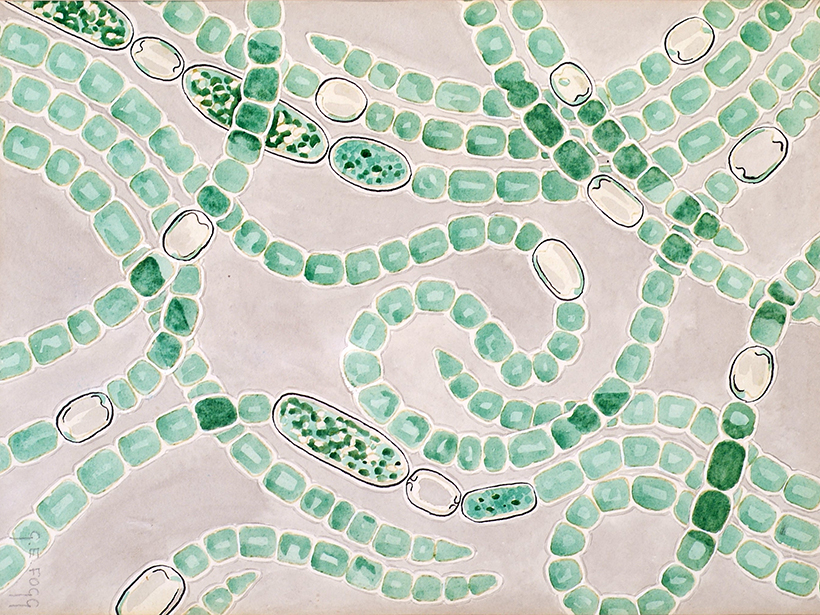
The crisis began when a new type of microorganism emerged. Known as Cyanobacteria, these single-celled organisms evolved the ability to perform photosynthesis using sunlight and water.
The process proved highly successful. However, it also produced oxygen as a waste product.
As Cyanobacteria populations expanded across Earth’s oceans, oxygen levels increased rapidly. At first, the oxygen reacted with iron dissolved in seawater and formed rust deposits on the ocean floor.
Eventually, the available iron became depleted. As a result, excess oxygen began accumulating in the atmosphere.
For the anaerobic organisms that dominated Earth, the change was catastrophic. Oxygen aggressively damaged their cells and disrupted essential biological processes.
The American Society for Microbiology stated that oxygen likely acted as a toxin for most life forms that existed when Cyanobacteria first evolved. Consequently, the planet experienced a massive extinction event that eliminated much of its anaerobic life.
Scientists explain that oxygen was highly reactive during this period. It formed radicals capable of damaging DNA, oxidizing proteins, and disrupting the metabolic systems of anaerobic organisms.
The consequences extended beyond extinction. As oxygen reacted with methane, one of Earth’s most important greenhouse gases, global temperatures dropped dramatically.
The planet then entered the Huronian Ice Age, one of the longest and most severe ice ages in Earth’s history. During this period, much of the planet remained frozen for nearly 300 million years.
Only a small number of anaerobic microorganisms survived. Many retreated into isolated environments such as deep-sea mud, hot springs, and other oxygen-poor locations.
Despite the devastation, the Great Oxidation Event ultimately transformed life on Earth. Over time, some organisms adapted to oxygen and learned to use it as a highly efficient energy source.
That adaptation paved the way for the evolution of complex multicellular life. Eventually, plants, animals, and humans emerged from the biological changes that followed Earth’s first mass extinction.