

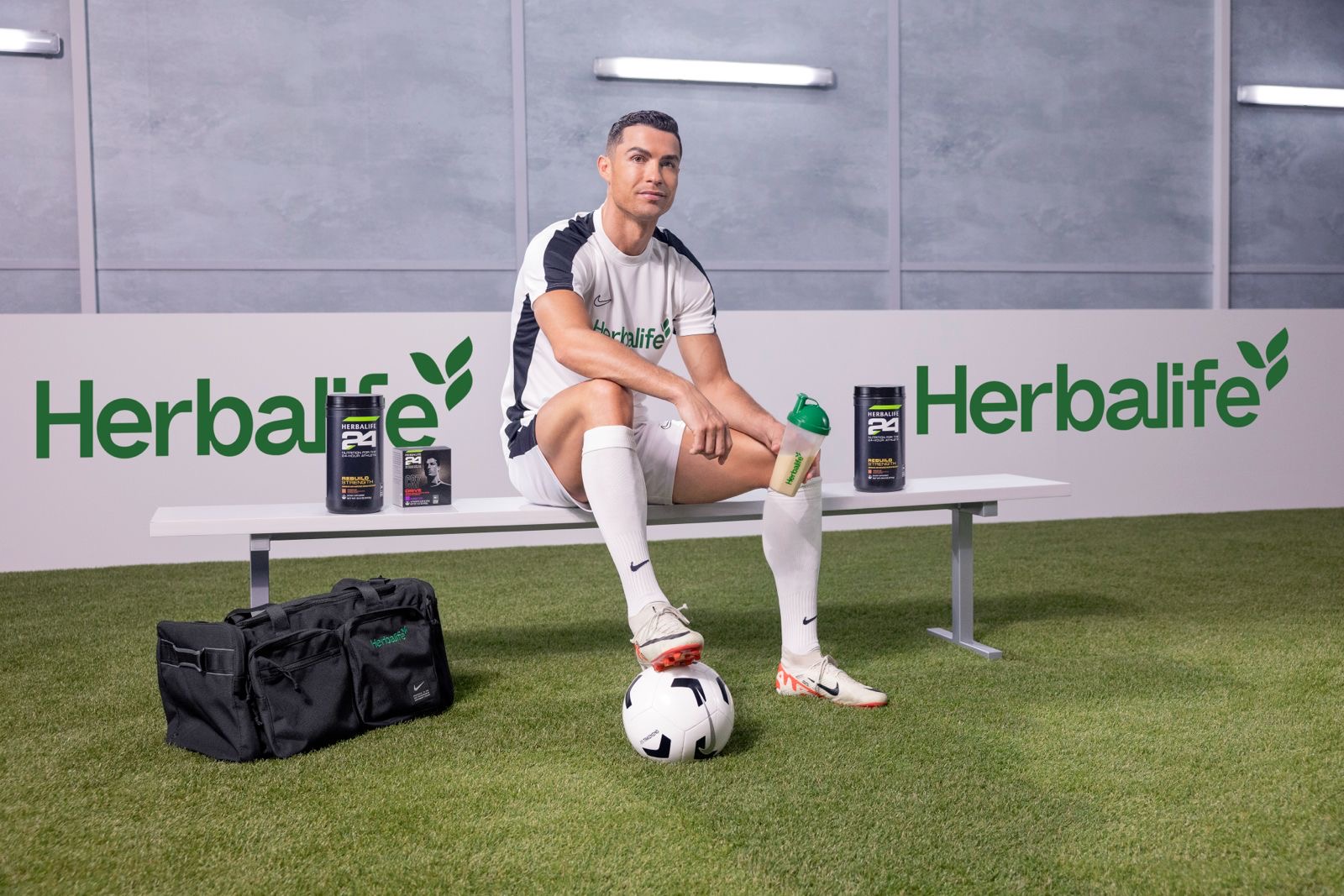
Jakarta, ThedailyID — Elite athletes may spend hours training and competing, but experts say their success often comes from the habits they maintain on rest days.
According to Dr. Luigi Gratton, Vice President of Health and Wellness at Herbalife, the foundation of athletic performance is built through small, consistent habits. These routines are especially important during recovery periods when athletes are not competing.

“The habits that make elite athletes exceptional are not always the most visible ones,” Dr. Gratton said. “What they do consistently on ordinary days plays a major role in their long-term success.”
The good news is that these habits are not exclusive to professional athletes. Anyone can adopt them to improve their overall health and energy levels.
Here are six recovery habits elite athletes follow every week.
1. Prioritize Protein at Every Meal
Elite athletes spread their protein intake throughout the day. They typically consume 20 to 40 grams of protein every three to four hours and aim for around 30 grams before or after training.
Protein supports muscle maintenance, immune function, hormone production, and appetite control. Eating adequate protein consistently can benefit people of all activity levels.
2. Match Carbohydrate Intake With Activity Levels
Athletes do not avoid carbohydrates. Instead, they adjust their intake based on how active they are.
After intense training sessions, many consume 50 to 75 grams of carbohydrates within an hour. On lighter activity days, they reduce their carbohydrate intake accordingly.
The same principle applies to everyday life. Your nutritional needs should reflect your daily activity levels.
3. Stay Hydrated Throughout the Day
Hydration is another habit elite athletes take seriously. Experts recommend drinking fluids consistently rather than waiting until you feel thirsty.
Those who exercise intensely or train in hot environments may also need electrolytes such as sodium and potassium to maintain proper fluid balance.
4. Treat Sleep as a Necessity
Elite athletes typically prioritize seven to nine hours of sleep each night. Sleep supports muscle recovery, nervous system function, memory, and hormone production.
Poor sleep can negatively affect performance, slow recovery, and weaken the immune system. The same effects apply to people outside of sports.
5. Eat Dark-Colored Fruits and Vegetables Daily
Many athletes regularly consume antioxidant-rich foods such as berries, leafy greens, cherries, beets, red grapes, purple cabbage, and dark-colored peppers.
These foods help reduce inflammation, strengthen the immune system, and provide essential vitamins and minerals for recovery.
6. Stay Active on Rest Days
Rest days do not necessarily mean staying inactive. Elite athletes often engage in light physical activities such as walking, yoga, stretching, cycling, or foam rolling.
Active recovery improves blood circulation and supports muscle repair. It also helps prevent overtraining, chronic fatigue, and injuries.
Dr. Gratton emphasized that elite nutrition is not about expensive supplements or complicated routines. Instead, it is about maintaining simple, healthy habits consistently—even on ordinary days.
Ultimately, the habits that support elite athletic performance can also help anyone build a healthier and more sustainable lifestyle.