

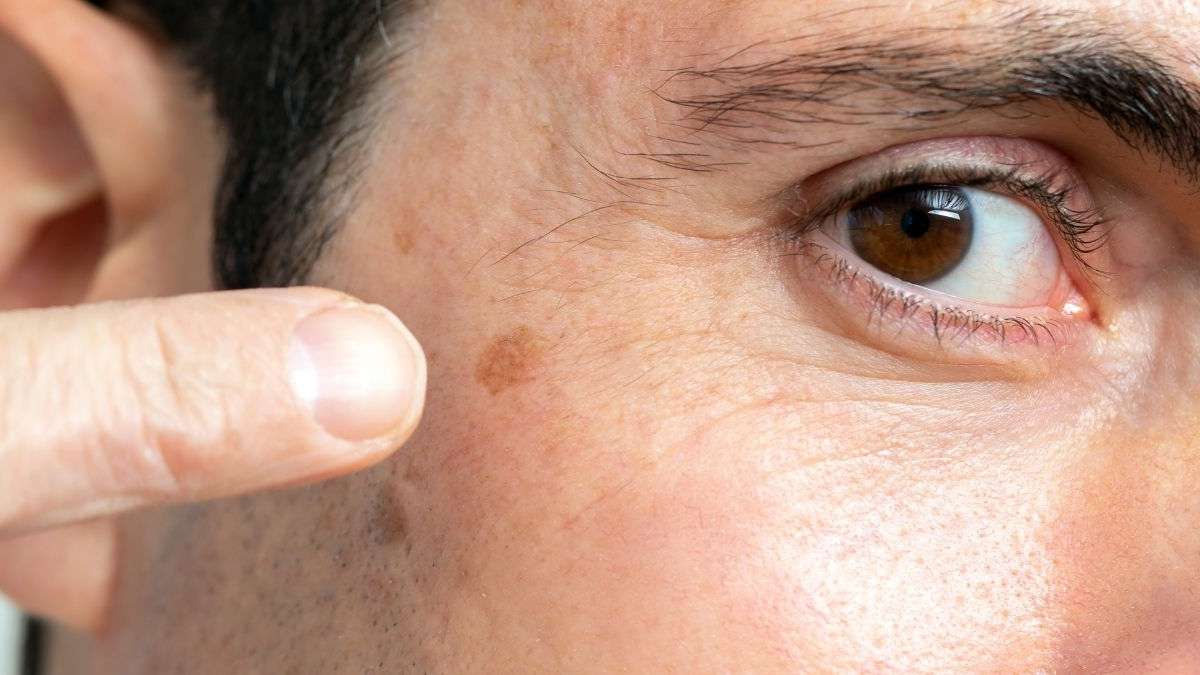
Jakarta, ThedailyID — Dark spots on the face remain one of the most common skin concerns, especially among people frequently exposed to sunlight and pollution.
Health experts say these spots, often called hyperpigmentation, appear when the skin produces excess melanin in certain areas.


According to dermatologists, several factors can trigger dark spots, including sun exposure, acne scars, hormonal changes, aging, and inflammation.
Excessive ultraviolet (UV) exposure remains one of the biggest causes. UV rays stimulate melanin production, which can create uneven pigmentation over time.
In addition, acne inflammation may leave post-inflammatory hyperpigmentation after pimples heal. The marks can become darker if people frequently touch or squeeze acne.
Hormonal fluctuations also play a role. Conditions such as melasma often appear during pregnancy or because of hormonal contraceptive use.
Meanwhile, aging naturally affects skin regeneration. Older skin tends to develop pigmentation more easily after years of sun exposure.
Experts recommend daily sunscreen use as one of the most effective preventive measures. Broad-spectrum sunscreen helps protect the skin from harmful UVA and UVB rays.
Dermatologists also advise people to reapply sunscreen regularly, especially during outdoor activities.
Besides sunscreen, maintaining a proper skincare routine may help reduce pigmentation risk. Products containing niacinamide, vitamin C, retinol, or azelaic acid can support skin brightening and regeneration.
However, experts warn against using harsh skincare products without professional guidance. Improper treatment may worsen irritation and pigmentation.
Healthy lifestyle habits also contribute to skin health. Adequate sleep, hydration, balanced nutrition, and stress management can help maintain healthier skin conditions.
If dark spots continue spreading or become more severe, doctors recommend consulting a dermatologist for proper diagnosis and treatment.