
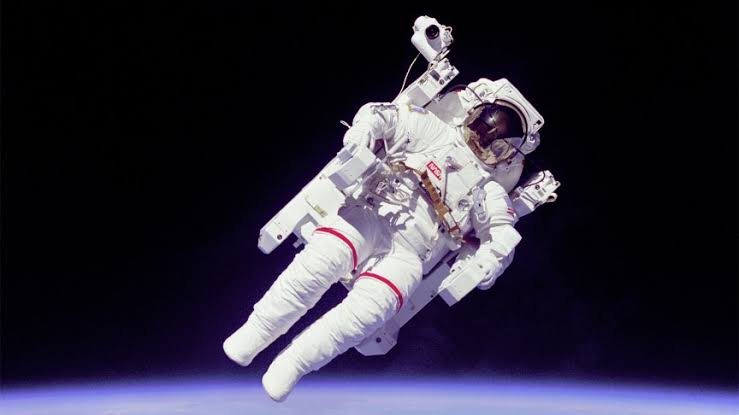
Jakarta, ThedailyID — Astronauts frequently experience constipation during space missions, and a new study may have uncovered why.
Published in Nature Communications on June 29, 2026, the study analyzed 488 blood plasma samples from 52 astronauts who spent between two and nine months aboard the International Space Station between 2006 and 2018.


Researchers from the University of Copenhagen and NASA found that microgravity may slow the movement of food through the intestines. This appears to change how gut bacteria process nutrients.
“We observed changes indicating that gut bacteria began fermenting higher amounts of protein than usual within weeks after astronauts arrived in space,” Giorgia La Barbera, one of the study’s lead authors, said, as quoted by Space, Tuesday (25/08).
Normally, gut bacteria primarily ferment fiber and carbohydrates for energy. But when digestion slows, those carbohydrates may run out before food leaves the gut, causing microbes to rely more heavily on protein.
Researchers detected changes in around 40 compounds circulating in astronauts’ blood, including metabolites produced when bacteria ferment protein in the large intestine.
The changes appeared shortly after astronauts entered space and mostly subsided within days after they returned to Earth.
“The lack of gravity in space is also likely to make food move more slowly through the intestines, consistent with evidence of increased protein fermentation. This condition is thought to cause constipation in astronauts,” Henrik Roager, one of the study’s authors, said, as quoted by Space, Tuesday (25/08).
The findings could help researchers develop dietary strategies for future missions to the Moon and Mars.
The researchers suggest increasing fiber and slowly fermentable carbohydrates so gut bacteria have enough carbohydrates available and do not rely excessively on protein fermentation.