

Jakarta, ThedailyID — Officials at White Sands National Park in New Mexico are searching for a teenager who handled a dead bat during a visit to the park. Authorities fear the individual may have been exposed to rabies after touching the animal with bare hands.
According to an official statement released on June 25, the incident occurred on June 18 at about 10:20 a.m. local time.


The teenager and an accompanying adult brought the bat’s carcass to the park’s visitor center and placed it on a staff member’s desk.
They said they had found the bat already dead. However, they left before park staff could explain the health and safety procedures recommended after contact with wildlife.
Park officials continue trying to locate the teenager so medical professionals can evaluate whether rabies post-exposure treatment is necessary.
The park also confirmed that one bat tested positive for rabies in the area last year.
Although only about one percent of wild bats carry rabies, officials warned that the risk increases when people encounter dead bats, bats behaving unusually, animals found on the ground, or bats that make direct contact with humans.
“Any direct contact with a bat, whether alive or dead, should be treated as a potential rabies exposure because bat bites and scratches can be difficult to detect,” the park said.
Rabies is a viral disease that is almost always fatal once symptoms develop. However, prompt medical treatment after possible exposure can prevent infection.
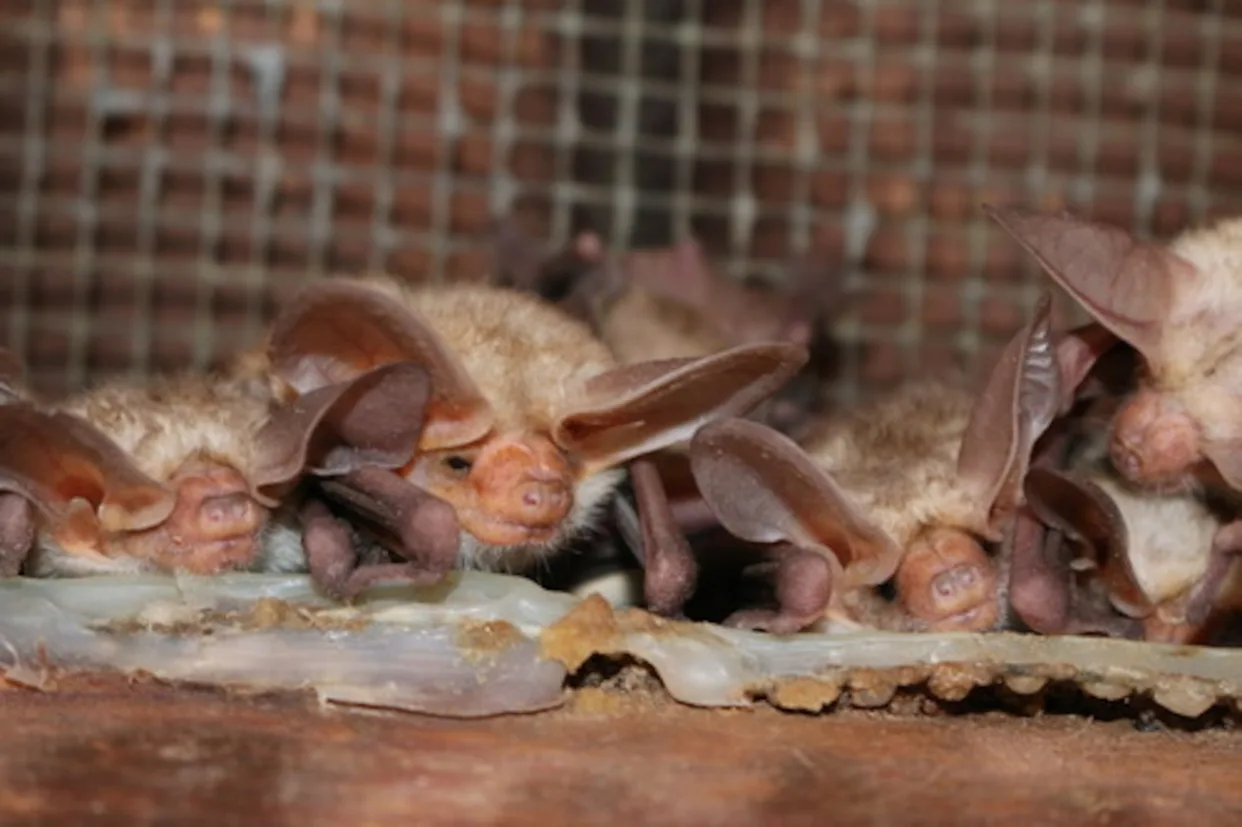
White Sands National Park is home to several bat species, including colonies of pallid bats that frequently roost near the visitor center during spring and summer.
To reduce human interaction while protecting the animals, park officials have installed bat houses in several locations.
Bats play an important role in maintaining healthy ecosystems. They help control insect populations, including mosquitoes and agricultural pests.
White Sands National Park is one of the most iconic natural attractions in the United States. It is home to the world’s largest gypsum dune field, known for its striking white sand landscape.