

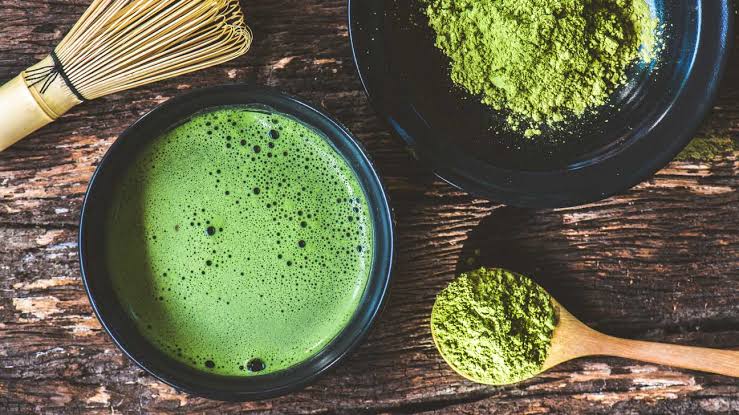
Jakarta, ThedailyID — Matcha and green tea both come from the Camellia sinensis plant. However, the two beverages differ in cultivation, processing, flavor, and nutritional content.
Many people consider matcha and green tea interchangeable. In reality, each offers a distinct drinking experience and health profile.


The biggest difference lies in how farmers grow and process the tea leaves.
Farmers shade matcha plants for several weeks before harvest. This method increases chlorophyll production and boosts amino acid levels in the leaves.
After harvesting, producers remove the stems and veins before grinding the leaves into a fine green powder.
In contrast, green tea leaves grow under direct sunlight. Producers then dry, roll, and process the leaves without turning them into powder.
As a result, matcha contains a higher concentration of nutrients because drinkers consume the entire leaf in powdered form.
Meanwhile, green tea only releases some of its compounds during the brewing process.
Matcha also contains more caffeine than traditional green tea. Therefore, it often provides a stronger energy boost while still delivering the calming effects of L-theanine.
In addition, matcha offers a richer and creamier texture. Many people describe its flavor as earthy, slightly sweet, and umami-rich.
Green tea, on the other hand, tends to taste lighter, fresher, and more refreshing.
Both beverages contain antioxidants known as catechins. These compounds may help protect cells from oxidative stress and support overall health.
However, matcha generally provides higher levels of antioxidants because the entire leaf becomes part of the drink.
Despite their differences, both matcha and green tea can play a role in a healthy lifestyle.
People who want a stronger flavor, more antioxidants, and higher caffeine often choose matcha. Meanwhile, those seeking a lighter and more traditional tea experience may prefer green tea.
Ultimately, the choice depends on personal taste, caffeine preference, and individual health goals.