

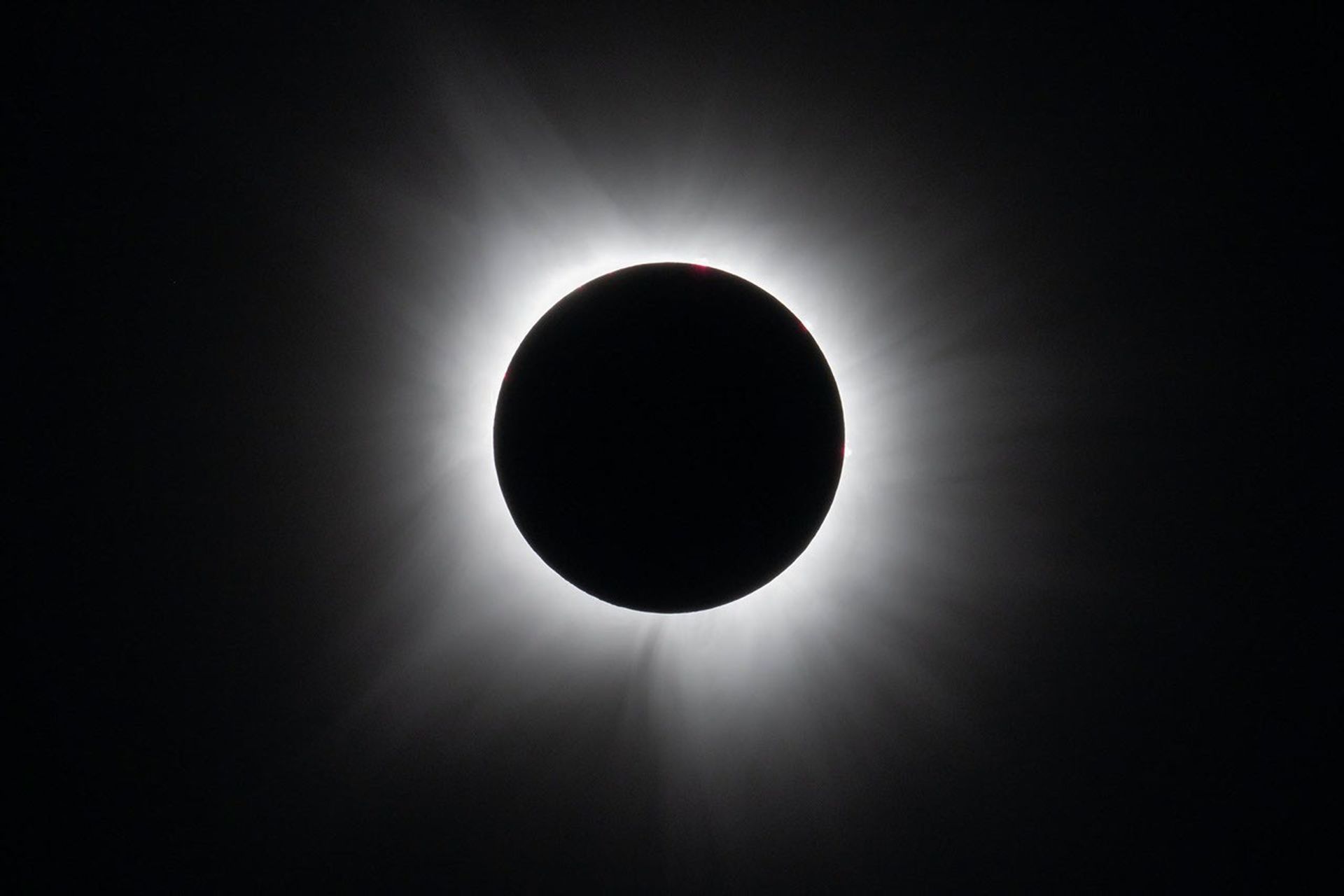
Jakarta, ThedailyID — Skywatchers across parts of Europe, Greenland, Iceland, and the Arctic region will have a chance to witness a total solar eclipse on August 12, 2026.
The rare celestial event will occur when the Moon passes directly between Earth and the Sun, completely blocking sunlight for observers located within the eclipse’s path of totality.


During totality, daytime skies will briefly darken, allowing viewers to see the Sun’s outer atmosphere, known as the corona. Astronomers consider total solar eclipses among the most spectacular natural phenomena visible from Earth.
The path of totality will cross several regions in the Northern Hemisphere. Parts of Greenland and Iceland are expected to receive some of the best views. The eclipse will also pass over sections of Spain and other parts of Europe before continuing across Arctic areas.
Outside the path of totality, millions of people across Europe, North Africa, and parts of western Asia will still be able to observe a partial solar eclipse. In those locations, the Moon will cover only part of the Sun.
Astronomy organizations have already encouraged enthusiasts to prepare for the event. Hotels and tourist destinations along the eclipse path have reported rising interest from travelers hoping to witness the phenomenon firsthand.
Experts remind the public never to look directly at the Sun without certified eclipse glasses or approved solar viewing equipment. Ordinary sunglasses do not provide sufficient protection and can cause serious eye damage.
The August 12 eclipse will be the first total solar eclipse visible from mainland Europe since 1999. As a result, scientists expect significant public interest and large gatherings at key viewing locations.
For many observers, the event offers a rare opportunity to experience totality without traveling across multiple continents. The next comparable total solar eclipse visible from several European regions will not occur for many years.