
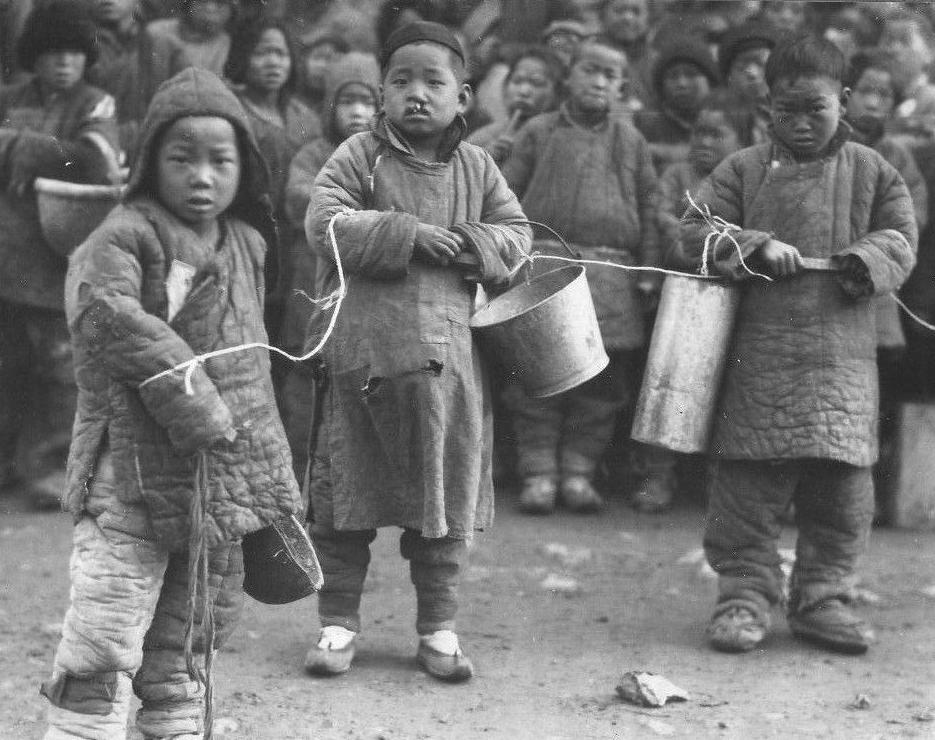
Jakarta, ThedailyID — One of the deadliest droughts in human history struck Northern China between 1876 and 1879, triggering a catastrophic famine that killed an estimated 9.5 million to 13 million people.
Historians refer to the disaster as the Great North China Famine. The crisis unfolded during the late Qing Dynasty and affected roughly 108 million people across large parts of the country.


The drought hit at least 13 provinces. However, the worst damage occurred in Shandong, Zhili, Shanxi, Henan, and Shaanxi. In some regions, rainfall virtually disappeared for an entire year, devastating crops and water supplies.
Extreme weather played a major role in the tragedy. Yet historians say drought alone did not cause the massive death toll.
Earlier Qing governments had successfully managed droughts through an extensive network of state granaries. Officials stored grain during good harvests and distributed supplies during food shortages.
That system weakened during the 19th century. A series of major rebellions drained government resources and damaged China’s ability to respond to disasters.
By the 1870s, many state granaries had fallen into decline. Local authorities lacked the resources and logistical capacity needed to move grain quickly into famine-stricken regions.
As food shortages worsened, millions of people faced starvation. Disease outbreaks spread rapidly among weakened populations, further increasing the death toll.
Researchers and historical records estimate that between 9.5 million and 13 million people died from famine and famine-related illnesses before conditions improved in 1879.
The scale of the disaster drew attention from across China and abroad. Newspapers in Shanghai published extensive reports about the crisis, helping raise awareness of the suffering in northern provinces.
Foreign missionaries, Chinese philanthropists, merchants, and local elites launched large fundraising campaigns to support relief efforts. Communities in the wealthy Yangtze River Delta also contributed food and financial aid.
Despite those efforts, the Qing government struggled to contain the crisis. Historians point to political instability, fiscal problems, weak leadership, and growing foreign pressure as key factors that limited the state’s response.
Today, the Great North China Famine remains one of the deadliest climate-related disasters ever recorded. The tragedy continues to serve as a stark reminder that extreme weather becomes far more dangerous when governments lack the resources and institutions needed to protect vulnerable populations.