
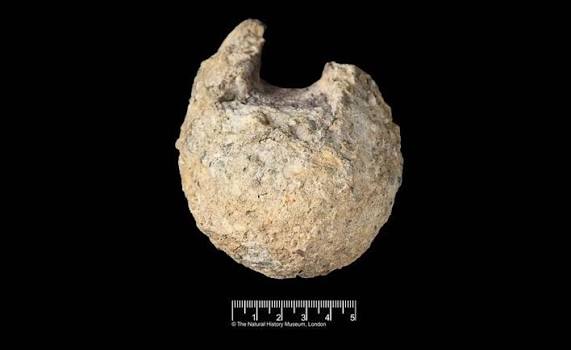
Jakarta, ThedailyID — A fossil that sat unnoticed in a museum drawer for decades has been identified as the first dinosaur fossil ever discovered in Antarctica. The finding sheds new light on the continent’s prehistoric past.
Researchers from the British Antarctic Survey (BAS) collected the vertebra fossil during an expedition in 1985. At the time, scientists classified it as belonging to a large reptile rather than a dinosaur.


The specimen remained in storage for years before catching the attention of Mark Evans, a paleontologist and geology collections manager at BAS.
“It looked unusual, so I wanted to confirm whether my suspicion was correct,” Evans said, according to CNN.
Further analysis revealed the fossil belonged to a titanosaur. This group of long-necked, plant-eating sauropod dinosaurs included some of the largest animals ever to walk the Earth.
According to the Natural History Museum, titanosaurs typically weighed around 15 metric tons. The largest known species may have reached 37 meters in length and weighed up to 63.5 metric tons.
The newly identified fossil came from a smaller adult or juvenile dinosaur. Researchers estimate the animal measured between six and seven meters long. They based the estimate on the vertebra, which is about 10 centimeters in diameter.
Matthew C. Lamanna, a co-author of the study and curator of vertebrate paleontology at Carnegie Museum of Natural History, said the fossil remained hidden in a collection drawer for decades. Scientists only recently uncovered its true identity.
The discovery also marks an important milestone in Antarctic exploration. Lead researcher Paul Barrett from the Natural History Museum said the fossil may appear ordinary at first glance. However, it represents the first confirmed dinosaur fossil ever recovered from the continent.
Scientists believe the dinosaur lived about 82 million years ago during the Late Cretaceous period. At that time, Antarctica featured temperate forests that supported large herbivorous dinosaurs.
Because thick ice sheets cover most of Antarctica, fossil discoveries remain rare. However, researchers believe more dinosaur remains could emerge as scientists continue exploring exposed rock formations.
The study also strengthens evidence that dinosaurs migrated across the southern supercontinent Gondwana. Antarctica likely served as a land bridge connecting South America and Australia during the Late Cretaceous.
Roy Smith, a vertebrate paleontology lecturer at the University of Portsmouth who was not involved in the study, said the discovery highlights the importance of preserving museum collections.
He noted that overlooked specimens can still transform scientists’ understanding of prehistoric life. They can do so even decades after researchers first collected them.