

Jakarta, ThedailyID — Pakistan has said Iran’s ballistic missile program was never part of negotiations between Tehran and Washington, rejecting speculation that the issue formed part of recent diplomatic talks between the two countries.
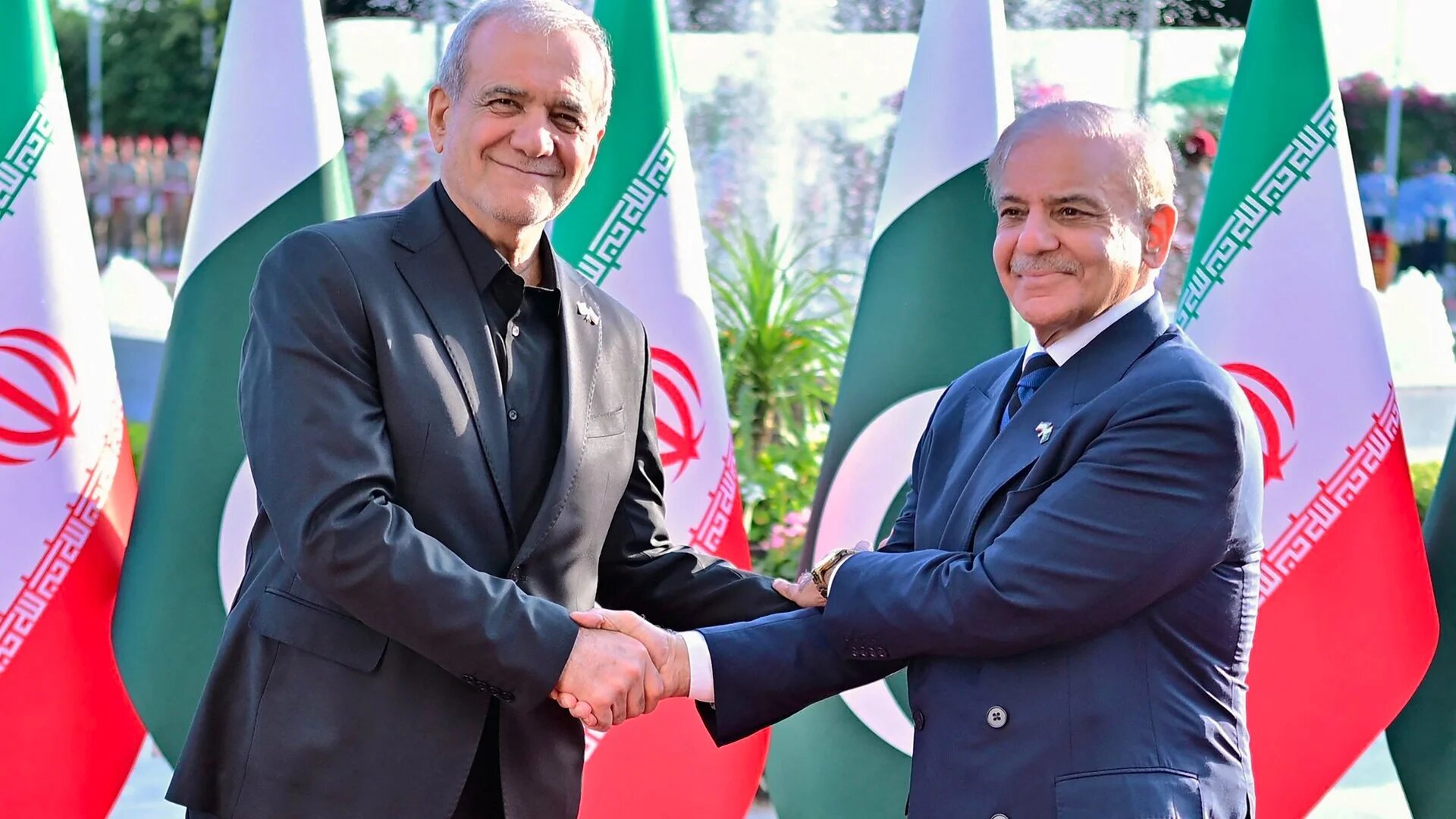
Pakistani Prime Minister Shehbaz Sharif made the remarks during a joint press conference with Iranian President Masoud Pezeshkian in Islamabad on Tuesday. His comments came after Iran and the United States held negotiations following the signing of a memorandum of understanding (MoU).

“Ballistic missiles were never discussed in the talks between Iran and the United States,” Sharif said. “The issue was not on the negotiation agenda and was not included in the MoU at all.”
He added that there was “no doubt” about the matter.
Meanwhile, Pezeshkian reaffirmed Iran’s position on national defense and echoed Sharif’s statement regarding the country’s missile capabilities.
“There have been no negotiations and there will be no negotiations regarding Iran’s ballistic missile capabilities,” Pezeshkian said.
The Iranian president also said Tehran remains cautious in its dealings with Washington because of previous diplomatic experiences. However, he stressed that Iran remains committed to continuing negotiations.
Iran’s missile program has long been a major concern for both the United States and Israel. The issue has repeatedly fueled tensions between Tehran and its regional rivals, with Washington and Tel Aviv arguing that the program poses a security threat.
Pezeshkian’s visit to Pakistan came shortly after Iran and the United States conducted a new round of talks aimed at implementing commitments outlined in the recently signed MoU.
The negotiations produced several agreements. Under the arrangement, the United States agreed to release Iranian assets worth S$12 billion, or about Rp214 trillion, that had been frozen under previous restrictions.
In addition, Iran received permission to resume crude oil exports. The two sides also agreed to establish a joint working group to monitor implementation of the memorandum and oversee future commitments.
The latest diplomatic efforts signal continued engagement between Tehran and Washington despite longstanding disagreements over security issues, regional influence and Iran’s military capabilities.