

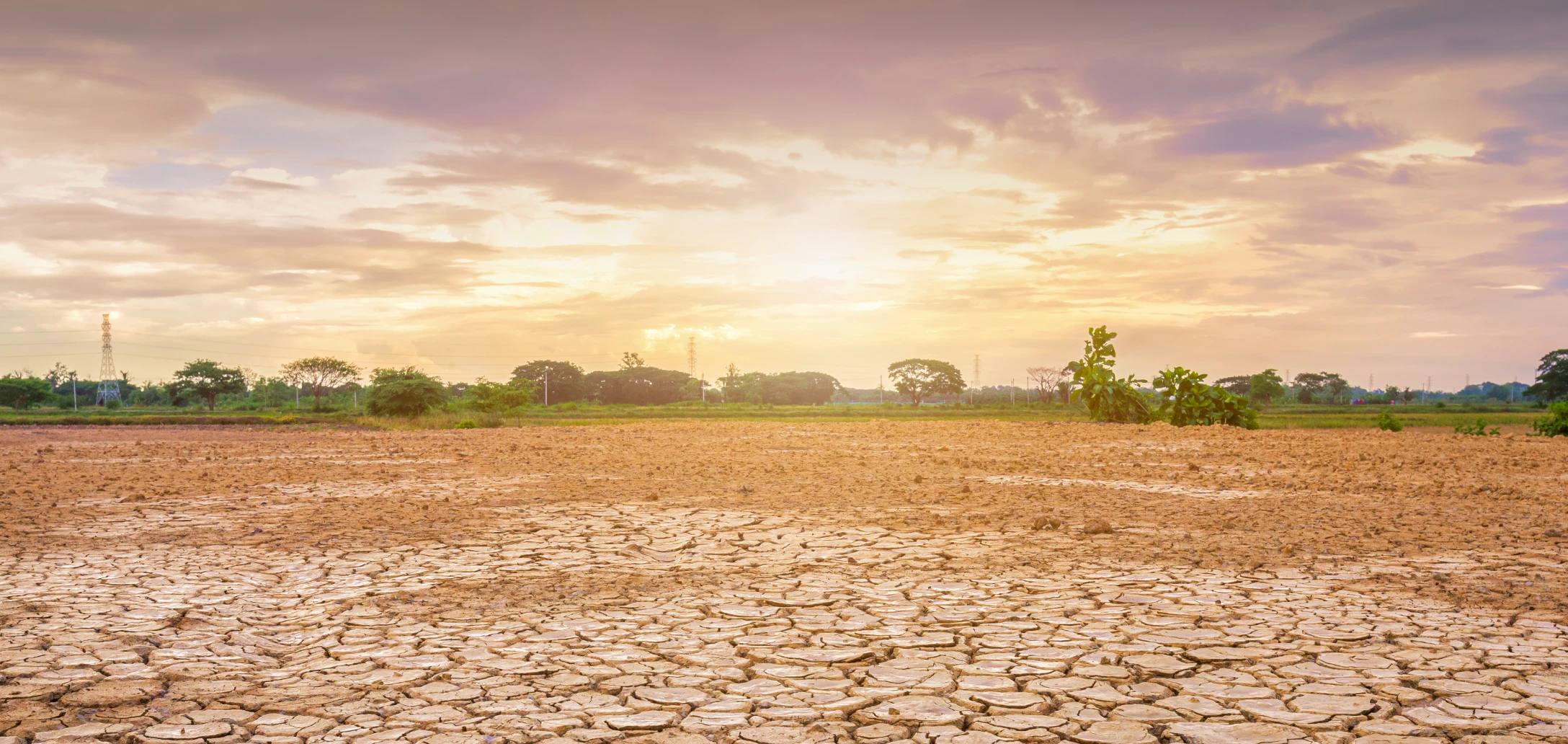
Jakarta, ThedailyID — The dry season and El Niño are often seen as the same, even though both refer to different processes in the climate system. While they can occur at the same time, each has distinct causes and impacts.
The dry season is a regular annual cycle, especially in tropical countries like Indonesia. It happens due to shifts in wind patterns and reduced rainfall during certain months of the year. In contrast, El Niño is a global climate phenomenon caused by warming sea surface temperatures in the Pacific Ocean.


As a result, El Niño can disrupt normal weather patterns across many regions. It often intensifies dry conditions, making droughts more severe and prolonged. However, the dry season itself will still occur every year, regardless of whether El Niño is present.
In Indonesia, the dry season typically runs from around April to October. During this period, rainfall decreases naturally, especially in areas influenced by monsoon winds. Meanwhile, El Niño does not follow a fixed schedule and usually appears every two to seven years.
When El Niño coincides with the dry season, the effects can become more extreme. Reduced rainfall can lead to water shortages, agricultural disruption, and a higher risk of forest fires. This combination often creates more significant environmental and economic challenges.
On the other hand, without El Niño, the dry season tends to follow a more predictable pattern. Rainfall may still occur occasionally, and the overall impact remains manageable.
Understanding the difference between the two is important, as it helps people and policymakers respond more effectively to climate risks. By recognizing that El Niño is an external factor, while the dry season is a natural cycle, mitigation efforts can be better planned.