

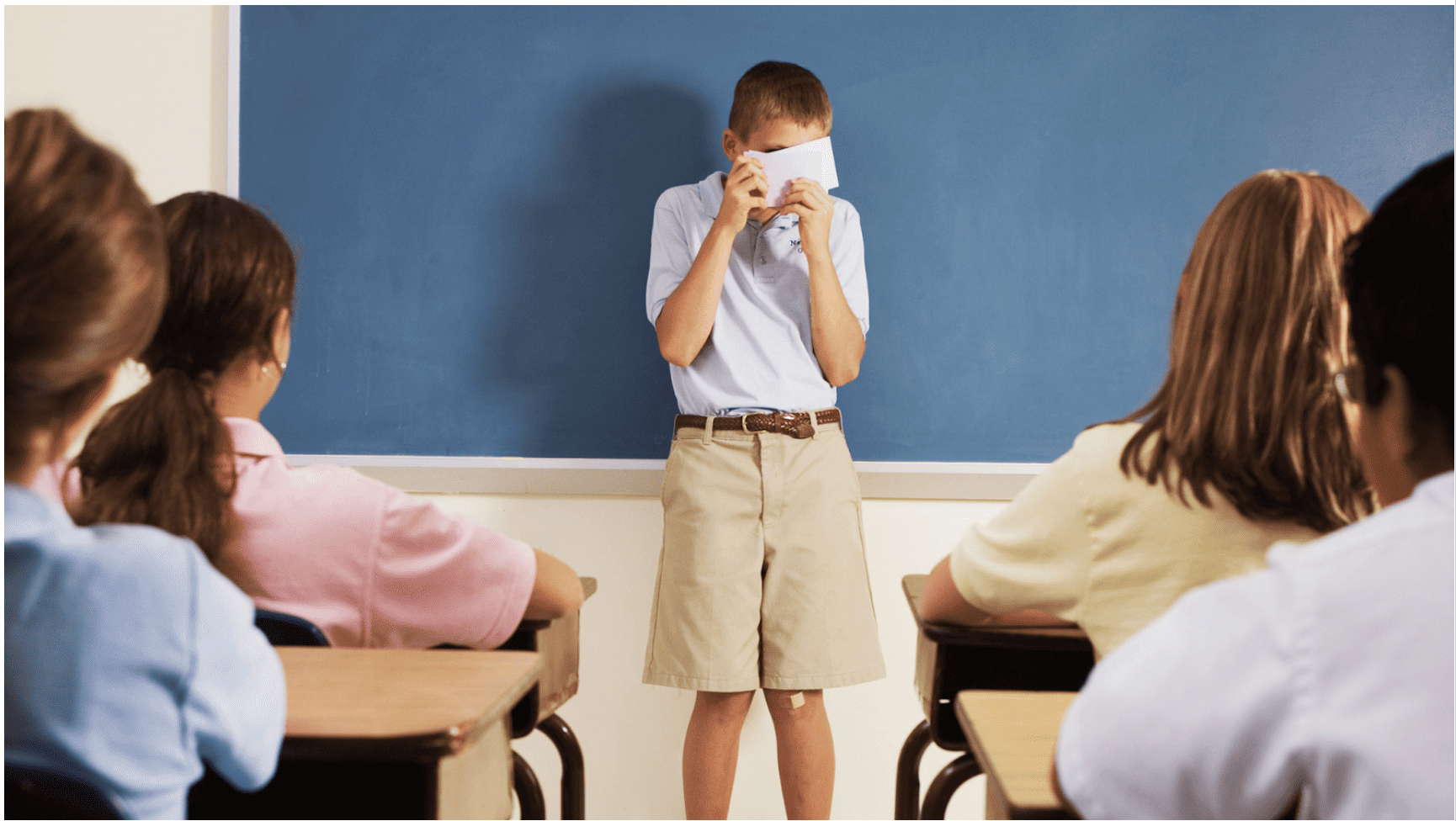
Jakarta, ThedailyID — Feeling naturally shy does not necessarily mean you have to stay that way. According to a YouTube video titled “You’re Naturally Shy… So Here’s How to Actually Be Confident,” confidence can be developed by changing the behaviors you practice.
The video argues that shyness is not necessarily a person’s identity. Instead, it describes shyness as a collection of behaviors that can become familiar through repeated practice.


The presenter explains that communication habits work in a similar way. If someone repeatedly practices confident behaviors, those behaviors can gradually become more natural.
The video then breaks shy and confident communication into three categories: visual, vocal and verbal behaviors.
Visual Behaviors
The first category involves body language. The video identifies three common behaviors associated with shyness.
The first is poor eye contact. Looking down, constantly shifting your eyes or avoiding eye contact can make you appear nervous or less confident.
Next is poor posture. Rounded shoulders, a lowered head and a closed body position can affect how others perceive you.
The third is limited hand gestures. The video explains that gestures can reinforce spoken words. Keeping your hands close to your body can therefore make your communication appear less expressive.
Instead, the presenter recommends deliberate eye contact and more open body language. This includes standing with your feet shoulder-width apart and keeping your shoulders down and back.
Using more purposeful hand gestures can also help you appear more engaged during conversations or presentations.
Vocal Behaviors
The second category focuses on how you use your voice.
One habit is speaking at a consistently low volume. The video suggests that speaking too quietly can make your communication appear less confident.
Another is mumbling or poor articulation. When your words are difficult to understand, listeners have to work harder to follow your message.
The video also highlights monotone delivery. Speaking at the same pitch and intensity can make your communication sound less lively.
Instead, confident communication involves stronger volume, clear articulation and greater vocal variety.
Verbal Behaviors
The final category involves the words you use.
The video identifies rambling and speaking without a clear point as common problems. It also notes that some shy people avoid speaking altogether because they want to avoid judgment.
However, staying silent can also reduce your visibility at work. The presenter argues that people who contribute during meetings and work events can become more visible to their colleagues.
The suggested solution is to use communication frameworks. These frameworks can help organize your thoughts before speaking.
According to the video, having a structure can make it easier to communicate clearly, concisely and coherently.
Confidence Comes From Practice
The video’s central message is that changing communication habits does not require completely changing who you are.
Instead, it encourages viewers to ask themselves: “Who are you practicing being every single day?”
The presenter argues that people can replace shy behaviors with more confident ones through consistent practice.
The video also features examples of students who changed their communication within a short period. The presenter says some of those visible changes happened within three days.
However, the video frames this as an example from the presenter’s students rather than a universal timeline for everyone.
Ultimately, the video encourages viewers to focus on the behaviors they want to practice. The goal is not to stop being themselves, but to develop communication habits that better reflect how they want to show up.
Source: YouTube, You’re Naturally Shy… So Here’s How to Actually Be Confident
Watch the full video on YouTube