

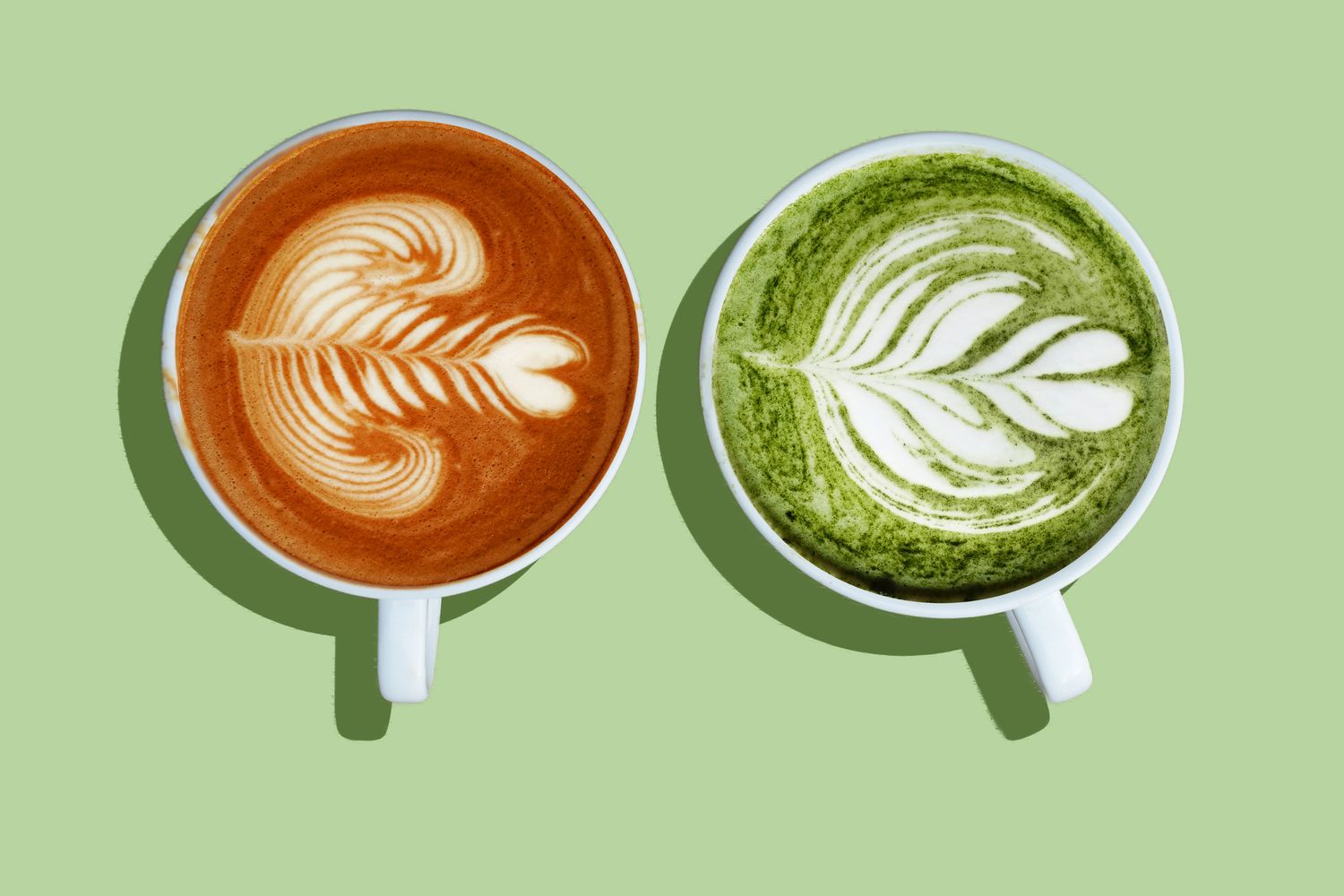
Jakarta, ThedailyID — Matcha and coffee have become two of the world’s most popular caffeinated beverages. While both can boost alertness and energy, their caffeine content differs significantly.
Experts say coffee generally contains more caffeine per serving than matcha. However, the exact amount depends on preparation methods, serving size, and the type of beans or tea leaves used.


A standard cup of brewed coffee typically contains between 80 and 100 milligrams of caffeine. Some larger servings or specialty coffees can contain even more.
By comparison, a serving of matcha usually contains around 38 to 88 milligrams of caffeine. The amount varies based on the quantity of matcha powder used and the quality of the tea leaves.
Although coffee often delivers a stronger caffeine boost, matcha contains L-theanine, an amino acid that may help promote relaxation and improve focus. This combination can create a calmer and more sustained feeling of alertness.
Coffee, on the other hand, tends to produce a faster increase in energy because the body absorbs its caffeine more quickly. Some people may also experience jitters or a sudden energy crash after consuming large amounts of coffee.
Nutrition experts note that matcha offers additional antioxidants, particularly catechins. One of the most studied compounds is EGCG (epigallocatechin gallate), which researchers have linked to various potential health benefits.
The choice between matcha and coffee ultimately depends on individual preferences and health needs. People seeking a stronger caffeine kick may prefer coffee, while those looking for a smoother and longer-lasting energy boost may choose matcha.
Health authorities generally recommend limiting daily caffeine intake to around 400 milligrams for most healthy adults. Consuming excessive caffeine can contribute to sleep problems, anxiety, and increased heart rate.
Both beverages can be part of a healthy lifestyle when consumed in moderation. Experts advise paying attention to added sugar, syrups, and high-calorie toppings, which can reduce their overall health benefits.