

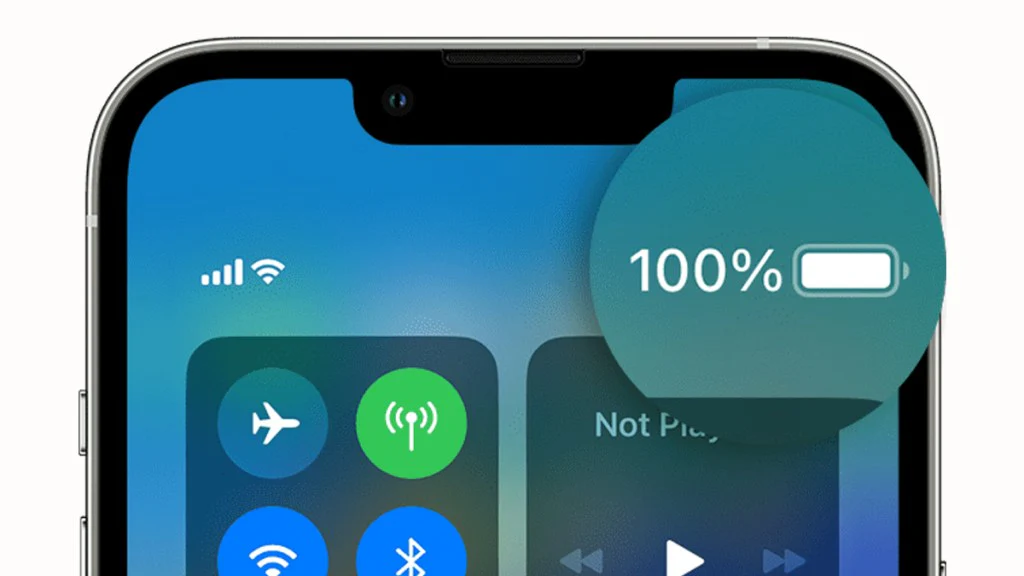


Jakarta, ThedailyID – Many smartphone users avoid charging their devices to 100% because they believe it quickly damages the battery. While that advice has become widespread online, experts say the reality is more nuanced.
Most modern smartphones use lithium-ion batteries, which naturally degrade over time. Although charging a phone to 100% is not immediately harmful, keeping the battery at a full charge for long periods can accelerate long-term wear.
Battery specialists explain that lithium-ion batteries experience greater stress when they remain at very high charge levels, especially in hot conditions. Likewise, letting the battery drain to 0% frequently can also shorten its lifespan.
As a result, many manufacturers recommend keeping the battery between 20% and 80% for daily use whenever possible. This range helps reduce battery stress and may preserve overall battery health over several years.
However, users do not need to worry about occasionally charging their phones to 100%. Modern smartphones include battery management systems that automatically stop charging once the battery reaches full capacity, preventing overcharging.
Several brands have also introduced smart charging features that learn users’ habits. These systems temporarily pause charging at around 80% and only complete the remaining charge shortly before the user typically disconnects the device.
Besides charging habits, heat remains one of the biggest factors affecting battery longevity. Experts recommend avoiding heavy gaming, video recording, or other demanding tasks while the phone is charging, as excess heat can speed up battery degradation.
Using certified chargers and avoiding extremely high temperatures can also help maintain battery performance over time.
In short, charging your phone to 100% is not dangerous. However, if you want to maximize battery lifespan, limiting daily charging to around 80% and avoiding prolonged exposure to heat are generally considered the best practices.