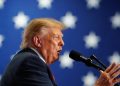

Jakarta, ThedailyID — Iran’s judiciary chief Gholamhossein Mohseni Ejei has mocked US President Donald Trump following the Republican Party’s defeat in the midterm elections. He described the results as another political setback for Trump and warned that Iran could deliver further defeats if Washington takes action against Tehran.
Speaking on Wednesday, November 4, Mohseni Ejei said Trump’s setbacks extended beyond the battlefield. He also pointed to the Republican Party’s losses in Congress.

“Trump was defeated both in war and in politics, and we will inflict further defeats on him,” Mohseni Ejei said, as quoted by Ynet News.
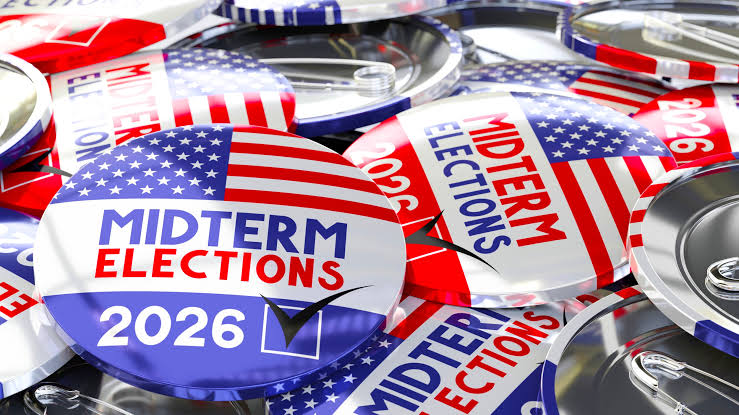
The US midterm elections took place on November 3, with Democrats winning control of both the House of Representatives and the Senate. The results marked a major setback for Trump and his Republican Party.
According to preliminary figures cited in the original report, Democrats secured 54 Senate seats against 44 for Republicans. Meanwhile, Democrats won 238 seats in the House, compared with 147 for Republicans.
Trump also acknowledged on Wednesday that the war against Iran had contributed to Republican losses. The conflict has driven up global fuel prices, adding to economic concerns among American voters.
Meanwhile, Iranian Parliament Speaker Mohammad Bagher Ghalibaf also commented on the election results through social media.
“America has said NO TO WAR, and we support this message,” Ghalibaf wrote.
Hassan Ghashghavi, spokesperson for the parliament’s National Security and Foreign Policy Committee, also argued that the results reflected Trump’s declining political influence.
“Once again, it has been proven that the umbrella of support provided by Trump is full of holes. Anyone relying on Trump’s umbrella ends up completely soaked, from Hungary and Brazil to congressional candidates in America who received his support,” Ghashghavi said.
Iranian officials have increasingly portrayed the Republican defeat as a rejection of Trump’s military policy toward Tehran. However, the election results do not necessarily indicate a change in Washington’s broader approach to Iran.