
Jakarta, ThedailyID — The Indonesia Stock Exchange (IDX) has clarified that MSCI’s standalone market classification is not the lowest tier in its global equity market system. The statement follows MSCI’s consultation on a proposed change to Indonesia’s status from emerging market to standalone market.
IDX Development Director Iding Pardi said standalone market is a separate classification, not a step below frontier market. MSCI generally groups markets into three main categories: developed, emerging and frontier markets.


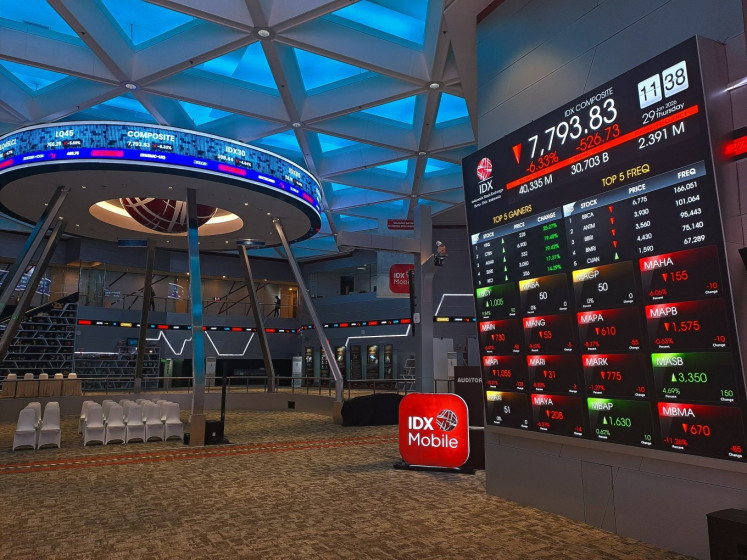
“Standalone market is not the lowest classification. It is a special category for markets that require particular attention,” Iding told reporters at the IDX building in South Jakarta on Friday, October 16, 2026.
He explained that Indonesia’s stock market remains large enough to qualify as an emerging market in terms of scale. However, MSCI has raised concerns about the market’s investability, transparency and integrity.
IDX plans to seek technical clarification from MSCI and provide stronger evidence that its policy reforms are working. Iding said the exchange would address remaining gaps and barriers to meet MSCI’s concerns and restore confidence among global investors.
MSCI announced the consultation on October 16, citing concerns that Indonesia’s stock market reforms had not shown consistent progress. According to MSCI, market participants had raised significant questions about the market’s investability.
Those concerns include persistent uncertainty over share ownership structures and allegations of coordinated trading activity. MSCI also noted that institutional investors want to see reforms implemented consistently, with clear evidence of lasting improvements.
Standalone market status applies to markets that do not qualify for MSCI’s three main classifications. According to the report, factors that can contribute to this status include limited access for foreign investors, severe liquidity constraints, operational risks, and serious governance or regulatory concerns.
If MSCI moves Indonesia from emerging to standalone market status, Indonesian stocks would be removed from MSCI’s main benchmark indices. Global investment managers and pension funds often use these indices to guide investment decisions, so the change could affect Indonesia’s visibility among international investors.
MSCI is consulting market participants before making its final decision, which is due by June 30, 2027. The index provider may also issue interim updates during the consultation period.