
Jakarta, ThedailyID — The war between the United States and Iran has become one of Washington’s most expensive military campaigns in recent years. As fighting continued for months, defense spending surged into the tens of billions of dollars. Some analysts now estimate the total cost has exceeded US$100 billion.
The conflict began on February 28, 2026. The US and Israel launched coordinated strikes on military and strategic sites inside Iran. Iran responded with missile and drone attacks on Israel and US military bases across the Middle East.

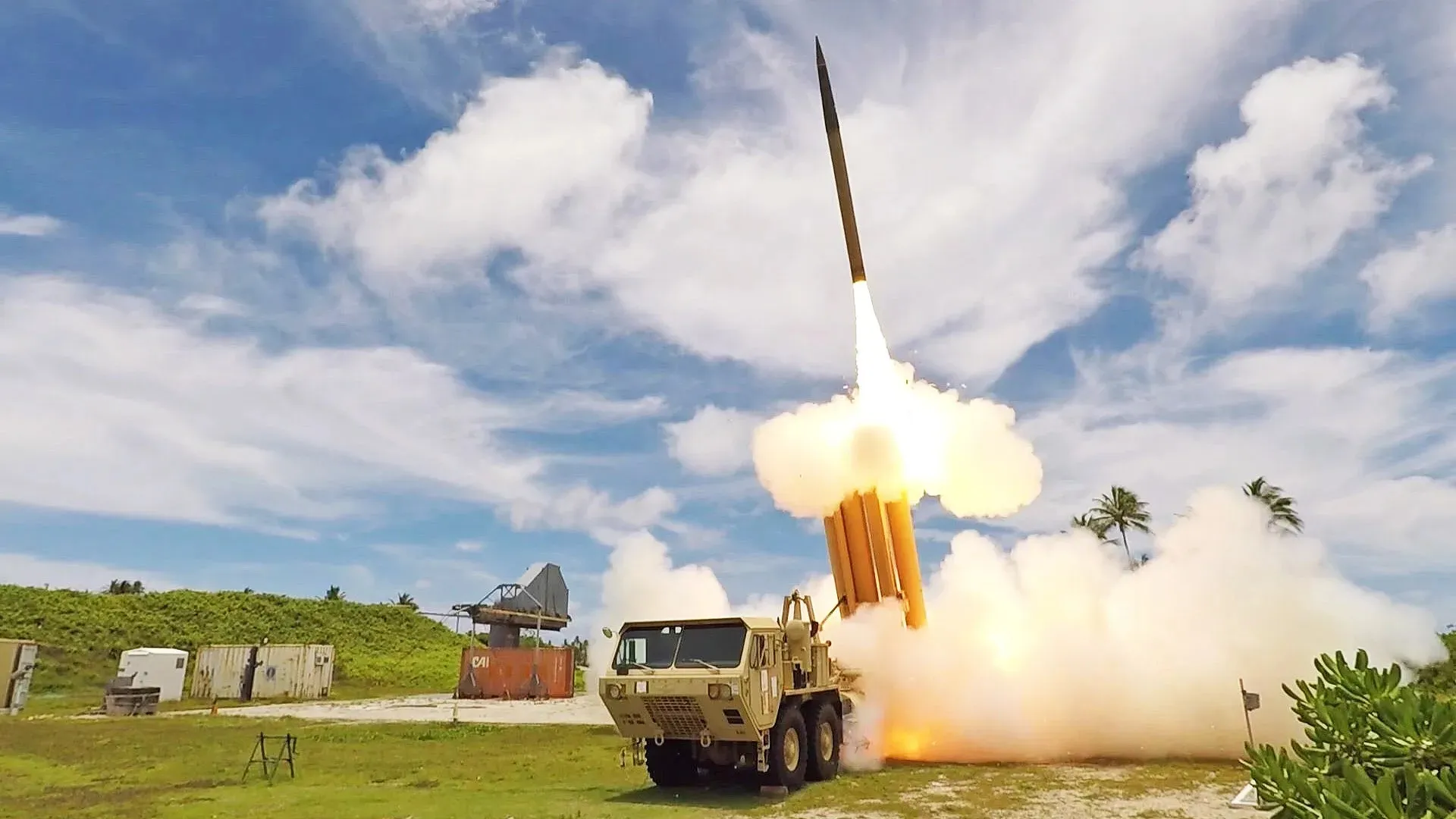
During the first six days of fighting, the Pentagon estimated military spending at US$11.3 billion. The budget covered precision-guided missiles, air operations, troop deployments, and other combat expenses.
As the conflict expanded, costs climbed quickly. By late April, Pentagon officials told Congress the war had already cost around US$25 billion. Most of the spending supported military operations and ammunition supplies.
Several analysts believe the real figure is much higher. They argue the Pentagon did not include the cost of rebuilding damaged military bases or replacing destroyed equipment. Those additional expenses could push the total to US$50 billion.
Independent researchers estimate an even larger bill. The Iran War Cost Tracker says total US spending has already surpassed US$100 billion. The estimate includes military personnel, naval deployments, logistics, maintenance, and operational support.
The war has also created broader economic pressure. Oil prices became more volatile during the conflict. Governments also increased defense spending as regional tensions intensified.
Analysts say the final cost will continue to rise. Future reconstruction projects, military deployments, and long-term security commitments will likely add billions more to the overall bill.
The financial debate comes as Washington and Tehran signed a memorandum of understanding aimed at ending the conflict. Both countries now have 60 days to begin formal peace negotiations. Experts believe the economic impact of the war will remain long after the fighting ends.