

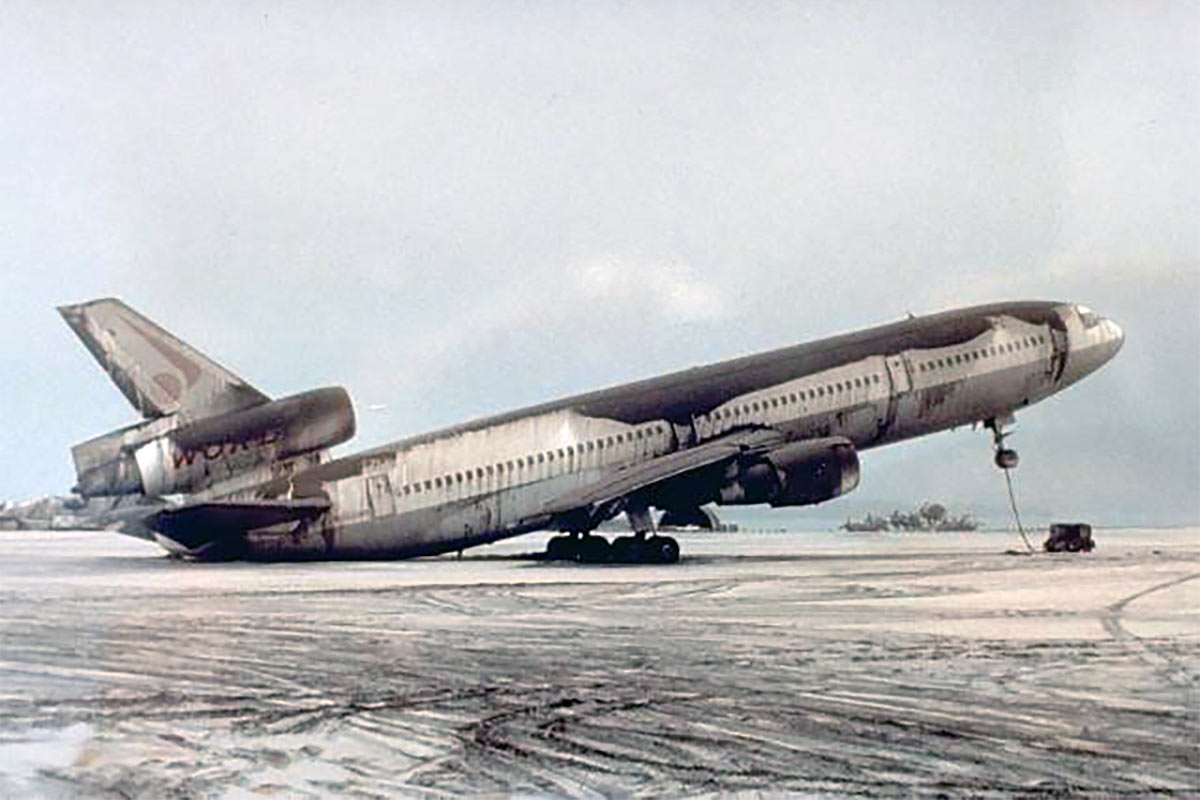
Jakarta, ThedailyID — The eruption of Mount Anak Krakatau has disrupted flights and forced several airports to close because volcanic ash can pose a serious threat to aircraft engines.
The Indonesia Pilots Association (IPI) confirmed that aircraft exposed to volcanic ash can face the risk of complete engine failure. The danger comes from the physical and chemical properties of the ash.


Why Is Volcanic Ash Dangerous for Aircraft Engines?
Teguh Kristiono, Director of Accident Analysis and Prevention at IPI, explained that volcanic ash can damage engines because it is highly abrasive, can crystallize and consists of extremely fine particles.
“Fresh ash clouds within hours of an eruption can cause total engine power loss in less than one minute,” Teguh said, cited from CNNIndonesia.com on Tuesday, September 8, 2026.
He added that engines operating at high thrust face greater risks because their internal temperatures can exceed the melting point of volcanic ash.
How Does Ash Damage an Aircraft Engine?
One major mechanism involves the melting of ash inside the engine. Volcanic ash contains silica minerals that can melt at temperatures lower than those found in turbine combustion areas.
When the particles enter the combustion chamber, they can melt into a glass-like substance. The material then cools as it reaches cooler parts of the turbine and sticks to turbine components.
This buildup can disrupt the flow of high-pressure combustion gases. As a result, an engine can experience a sudden loss of thrust, known as a surge, or shut down completely in a flame-out.
The abrasive particles can also erode compressor components. Over time, this can reduce engine efficiency.
Can Volcanic Ash Damage Other Aircraft Systems?
The threat is not limited to the engines. Volcanic ash particles can be extremely small, with some measuring around one micron.
These particles can enter protective gaps around electronic components. They can also cause short circuits, clog air and cabin-pressure system filters, and block pressure sensors.
Blocked sensors can produce inaccurate readings for important information such as aircraft speed and altitude.
When Can Flights Resume?
There is no single indicator that determines when flights can safely resume after volcanic ash exposure. Teguh said aviation authorities and operators must conduct a layered risk assessment.
“The decision to fly or not is more of a layered risk-management process between regulators and operators, rather than a single indicator like in conventional weather conditions,” Teguh said.
Factors include the ability of weather radar to detect ash clouds, designated hazardous areas, ash concentration and assessments of the severity and probability of exposure.
Aircraft that have encountered volcanic ash must also undergo additional inspections based on International Civil Aviation Organization (ICAO) guidance. These procedures include mandatory reporting, confirmation before the next flight and comprehensive inspections.
“The process is much stricter than a normal post-flight inspection because volcanic ash can cause hidden damage, such as to electronic systems or turbines, whose effects may only appear on the next flight if they are not thoroughly inspected,” Teguh said.
An aircraft can return to service only after all inspection findings have been addressed and documented through the applicable Safety Management System.