

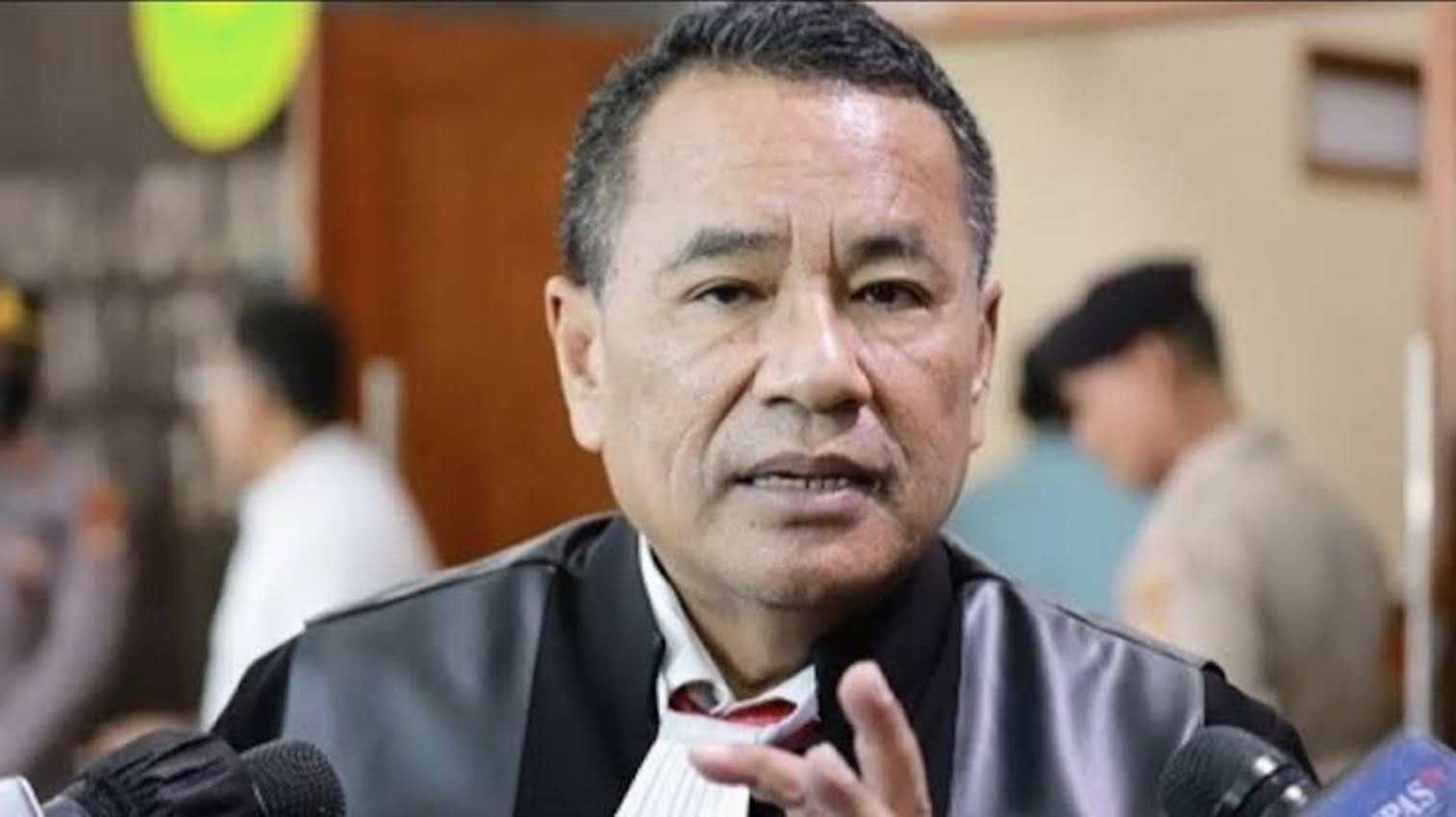
Jakarta, ThedailyID — Lawyer Hotman Paris Hutapea has urged lawmakers to remove provisions that could recognize foreign court rulings in Indonesia.
Hotman made the request during a public hearing with the special committee handling the International Private Law Bill, or RUU HPI, at the parliament complex on Tuesday, September 29.


Hotman said he saw a provision in the draft that could allow Indonesia to recognize foreign court rulings. The provision would apply as long as those rulings did not conflict with public law principles.
“I see in the draft I received from the committee that there seems to be a direction to recognize foreign court rulings as long as they do not conflict with public law,” Hotman said.
He argued that such a provision could create financial risks for Indonesian citizens. People involved in lawsuits abroad could face travel, accommodation and legal costs.
“Imagine if Indonesian citizens are sued in foreign countries. The costs would be very high. They would have to pay for flights, hotels and expensive lawyers,” he said.
Hotman also raised concerns about Indonesian companies facing lawsuits abroad. He said some companies might not have enough money to attend foreign court proceedings.
If defendants fail to appear, foreign courts could issue judgments without their presence. Hotman referred to this as a default judgment, similar to a verstek judgment under Indonesian legal terminology.
“If they are sued abroad, they may not attend because they cannot afford the costs. If they do not appear, the court can issue a default judgment,” Hotman said.
He warned that the situation could create further problems if Indonesia later enforced such a ruling. In his view, this could put Indonesian citizens and businesses at a disadvantage.
Hotman referred to Article 436 of the Reglement op de Rechtsvordering, or Rv. He said the provision means foreign court rulings should not receive recognition or enforcement in Indonesia.
However, he said such rulings could still serve as new evidence in a separate lawsuit filed in Indonesia.
Hotman urged the special committee not to approve a provision that recognizes foreign court rulings. He argued that the policy could affect Indonesian citizens, particularly business owners.
“Once again, if the International Private Law Bill contains a concept recognizing foreign court rulings, it could seriously harm Indonesian citizens, especially business owners,” Hotman said.
He also argued that recognizing such rulings could raise questions about Indonesia’s judicial sovereignty.
The International Private Law Bill is still under discussion. Hotman’s comments represent his position during the public hearing and do not indicate that the provision has been finalized.