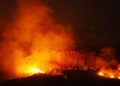

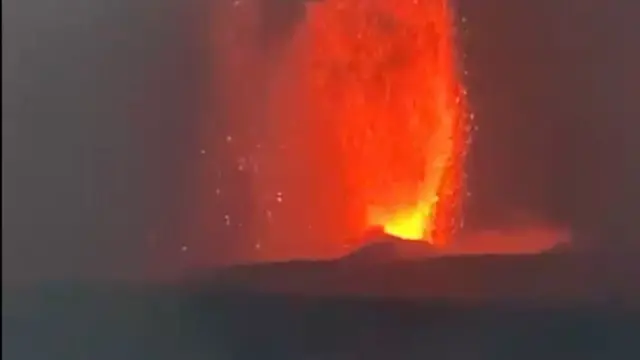
Jakarta, ThedailyID — Mount Anak Krakatau has shown increased volcanic activity, with repeated eruptions reported since Friday (04/09/2026). Indonesia’s Geological Agency has warned of several potential hazards, including incandescent material, volcanic rocks, ash and toxic gas.
The Geological Agency confirmed that ongoing magmatic activity inside the volcano has triggered the repeated eruptions. Officials also said the activity remains dynamic as magma and volcanic gases continue to move within the mountain.

Geological Agency Head Lana Saria said the increase has appeared through the frequency of eruptions recorded in recent days.
“Mount Krakatau’s activity has indeed increased compared with the previous period, marked by repeated and continuous eruptions. This condition indicates that magma and gas are still being supplied within the volcano,” Lana said on Sunday (06/09/2026).
However, Lana urged the public not to panic. She stressed that frequent eruptions do not automatically mean a much larger eruption will follow.
“Frequent eruptions do not automatically mean that a larger eruption will occur. The Geological Agency will continue evaluating the activity based on all monitoring data, not only the number or height of eruption columns,” she added.
The agency has identified several hazards around the crater and body of Anak Krakatau. These include incandescent material, volcanic rocks, volcanic ash, high concentrations of volcanic gases and possible flows of eruptive material.
“The main hazards that need attention at this time are incandescent material, volcanic rocks, volcanic ash, highly concentrated volcanic gases, as well as possible flows of eruptive material around the crater and body of Mount Anak Krakatau,” Lana said.
She added that volcanic material could damage equipment near the activity center and endanger people who enter restricted areas.
Meanwhile, monitoring data shows that Anak Krakatau’s activity could fluctuate or increase in the coming days. Low-frequency, hybrid and harmonic earthquakes, along with volcanic tremors, remain recorded by monitoring instruments.
“These types of earthquakes indicate the movement or release of volcanic fluids within the volcanic system,” Lana said.
Despite the ongoing monitoring, the Geological Agency said it cannot accurately predict when the next eruption will occur or how large it will be.
Therefore, authorities continue to monitor volcanic parameters in real time and urge residents, tourists and fishermen to follow the established hazard-zone recommendations. They are also advised to stay away from the crater area of Mount Anak Krakatau.