

Jakarta, ThedailyID — Volcanic ash from Mount Anak Krakatau has spread across several parts of Indonesia following the volcano’s eruptions. The ash can affect more than the respiratory system, as it can also irritate and damage the eyes.
Epidemiologist Dicky Budiman from Griffith University Australia explained that volcanic ash differs significantly from ordinary dust because it contains sharp silica particles.

“Volcanic ash is very different from ordinary ash or dust because it contains silica, which is like sharp glass fragments and can cause damage, particularly to the eyes, nose, mouth and skin,” Dicky said as reported by Antara, Monday (07/09/2026).
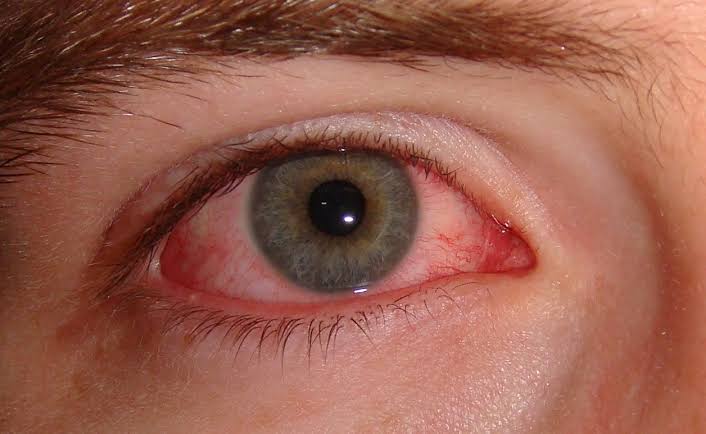
Exposure can cause red, painful and watery eyes. It can also increase sensitivity to light and potentially cause scratches on the eye surface. In some cases, volcanic ash can trigger conjunctivitis, which causes redness, burning and light sensitivity.
Here are six ways to protect your eyes from volcanic ash:
1. Avoid strenuous activity
Dicky advised residents to avoid strenuous activities when volcanic ash levels in the air are high.
“Fresh volcanic ash can have an acidic coating that adds to its irritating effects on the lungs and eyes before it is washed away by rain,” he said.
2. Use water when cleaning
Use water when cleaning objects covered with volcanic ash. This helps prevent the particles from becoming airborne and reaching the eyes.
Avoid rubbing ash-covered surfaces or shaking dusty clothes, as these actions can spread the particles.
3. Wear eye protection
Protective eyewear can help prevent sharp volcanic ash particles from entering the eyes.
“Do not forget that this is sharp silica dust, so use eye protection such as glasses or goggles. If your eyes become irritated, immediately rinse them with clean water,” Dicky said.
4. Avoid contact lenses
Residents should limit outdoor activities while ash remains in the air. If going outside is necessary, use protective eyewear such as regular glasses or swimming goggles.
Avoid wearing contact lenses while exposed to volcanic ash.
5. Do not look upward
When outside, avoid looking directly upward because falling volcanic ash can enter the eyes.
If ash gets into the eyes, rinse them with clean running water. Eye drops may also help remove irritation. Rinsing for around five to 10 minutes can help clear the particles.
6. Do not rub your eyes
Never rub your eyes after volcanic ash enters them. Rubbing can push particles deeper into the eye and scratch its surface.
Volcanic ash can cause corneal abrasions and infections that may threaten vision.
If the eyes become increasingly red or painful, or if vision changes, seek medical attention from an eye specialist.