
Jakarta, ThedailyID — The 2026 Hajj season is expected to take place under significantly hotter conditions, with temperatures in Makkah and surrounding areas projected to exceed 45°C during peak rituals (April 2026).
According to projections from the Saudi National Center for Meteorology, extreme heat will likely intensify during key stages of the pilgrimage. These include the gatherings in Arafah, Muzdalifah, and Mina, collectively known as Armuzna.


The conditions follow a broader climate pattern in Saudi Arabia, where rising temperatures have increasingly affected outdoor religious events.
Although high temperatures during Hajj are not new, authorities continue to treat the risks as a serious concern. Extreme heat can lead to dehydration, heat exhaustion, and heatstroke, especially among older pilgrims and those with pre-existing health conditions.
To address these risks, the Ministry of Hajj and Umrah has prepared several mitigation measures. These include free drinking water stations, cooling areas, shaded pathways, and health advisories for pilgrims.
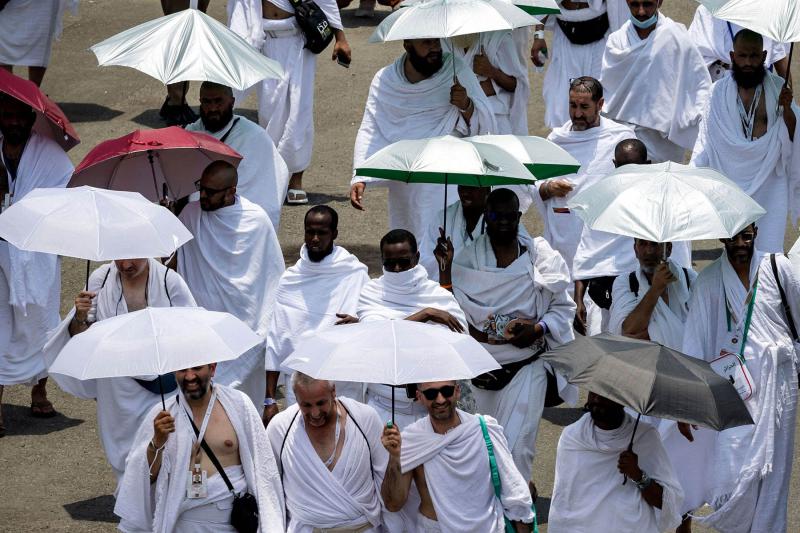
Officials also encourage the use of umbrellas and recommend limiting outdoor activities during peak daytime heat. These measures aim to reduce exposure and prevent heat-related illnesses.
Despite the challenging weather, millions of pilgrims are still expected to perform the Hajj rituals. Authorities continue to emphasize the importance of physical readiness and health awareness.
Experts note that preparation plays a crucial role in ensuring a safe pilgrimage. Staying hydrated, avoiding direct sun exposure, and following official guidelines can significantly reduce health risks.
As global temperatures continue to rise, extreme heat is becoming a recurring factor in Hajj planning. This trend highlights the growing need for adaptive measures to protect pilgrims in the years ahead.