

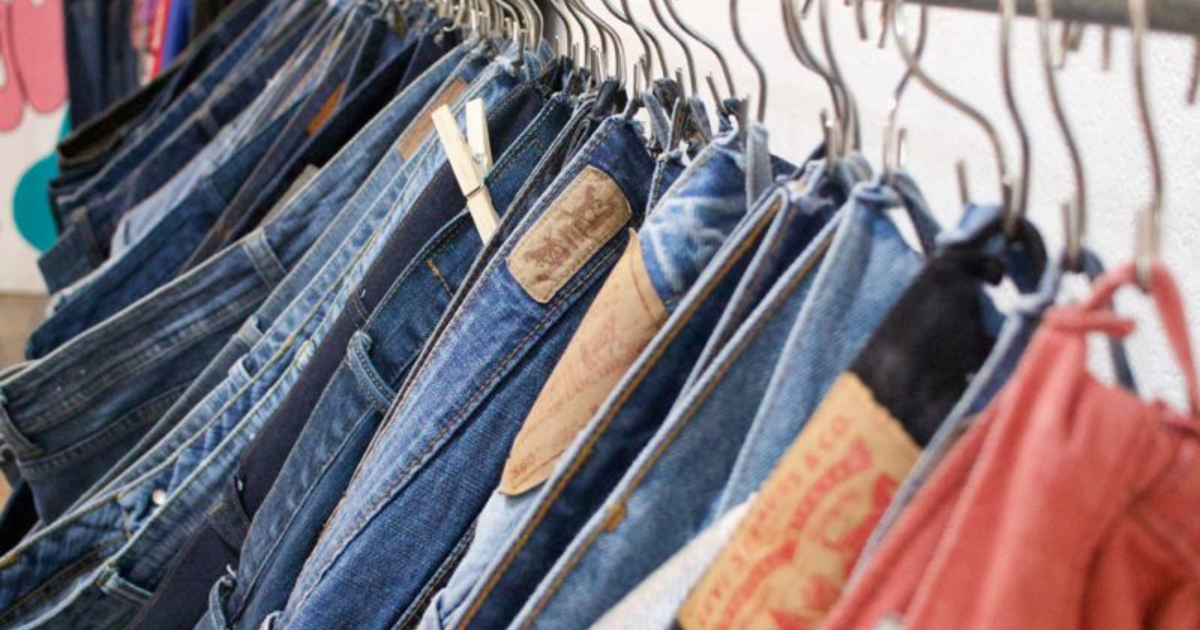
Jakarta, ThedailyID — Shopping for thrift clothes has become increasingly popular among young people. Besides offering more affordable prices, secondhand stores provide access to unique styles that may be difficult to find in regular clothing shops.
From vintage jackets and distinctive shirts to rarely produced trousers, thrift stores offer a wide range of fashion choices. For many shoppers, finding an unusual item is part of the excitement.


For Generation Z (Gen Z), however, buying secondhand clothes is not simply a way to save money. A study titled Exploring Thrifting Practices Among Generation Z in Greater Jakarta, published in the journal Frontiers in Communication, examined the reasons behind this growing interest.
The research identified several factors that encourage Gen Z to shop for secondhand clothing. Price remains an important consideration, but it is not the only reason.
One major attraction is affordability. Compared with buying new clothes, secondhand items generally cost less. With the same budget, shoppers may also find clothes that remain in good condition.
As a result, thrifting offers an alternative for young people who want to maintain their personal style without spending too much.
Another reason is the opportunity to find unique designs. Thrift stores offer various styles, including vintage pieces and clothing cuts that are no longer commonly produced.
This gives shoppers the chance to build a wardrobe that feels different from what they usually find in mainstream stores. The excitement of discovering rare items also adds to the appeal.
Thrifting also provides a way for young people to express themselves. Clothing choices can reflect personal taste and identity, allowing individuals to develop their own style without always following popular fashion trends.
Finding an item that matches one’s personality can bring its own satisfaction. Moreover, secondhand clothing allows shoppers to experiment with different looks at a relatively low cost.
Social media also plays an important role in making thrifting more appealing. The study found that Instagram and TikTok help participants discover thrift stores, find outfit inspiration, and gather information about items before purchasing them.
For example, following secondhand clothing sellers on Instagram can lead users to similar accounts through features such as Explore and Stories. Meanwhile, TikTok reviews and thrift-shopping videos offer a closer look at clothing styles, conditions, and quality.
These platforms also make it easier for users to share their shopping experiences. They can showcase their purchases, recommend stores, and exchange ideas on how to style secondhand pieces.
Beyond affordability and personal style, the study also explored how participants understood the relationship between thrifting and the environment.
Buying secondhand clothes is often associated with a sustainable lifestyle. Reusing existing garments can extend their useful life and reduce demand for new clothing production.
However, participants also recognized that thrifting does not automatically create positive environmental impacts. Buying secondhand items alone is not enough to guarantee sustainable consumption.
Shopping habits, the number of items purchased, and whether buyers actually reuse the clothes also matter. Therefore, the environmental benefits depend partly on how consumers make use of their secondhand purchases.