
Jakarta, ThedailyID — Star Energy Geothermal (SEG) plans to restore 325 hectares of forest in Mount Halimun Salak National Park (TNGHS), West Java. The project will run throughout 2026 and 2027. It also forms part of the company’s commitment to biodiversity conservation.
The announcement coincides with International Biosphere Reserves Day on November 3. Through this initiative, SEG aims to plant approximately 120,000 trees across the restoration area.

The company has allocated 225 hectares for restoration in 2026. Another 100 hectares will follow in 2027. In addition, three local Forest Farmer Groups will participate in seedling production, planting, and tree maintenance.
“After 32 years of operations in Salak, our experience shows that geothermal energy development can coexist with forest conservation. This restoration commitment reflects our long-term responsibility to protect and recover ecosystems,” said Laksmi Prasvita, Head of Social Investment and Communications at Star Energy Geothermal.
SEG manages a concession area of approximately 10,000 hectares within Mount Halimun Salak National Park. However, its geothermal operations occupy only 239 hectares, or around 2.4% of the concession area.
The company has also implemented its Green Corridor Initiative (GCI). The program supports habitat recovery and forest connectivity across approximately 275 hectares. Therefore, the additional 325-hectare restoration project will expand its conservation efforts.
Protecting the Javan Leopard’s Habitat
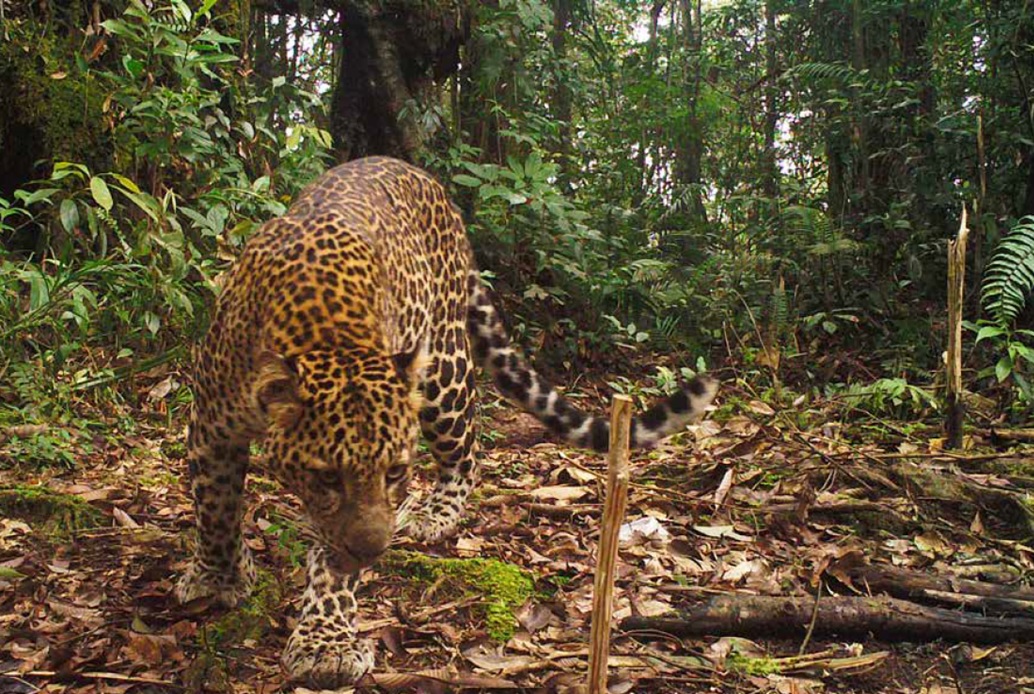
The importance of protecting the Halimun-Salak landscape is reflected in findings from the Java-Wide Leopard Survey (JWLS). Coordinated by SINTAS Indonesia Foundation, the survey identified 51 Javan leopards in the area, including three cubs.
Dr. Hariyo T. Wibisono, Director of SINTAS Indonesia Foundation, previously emphasized that the species’ long-term survival depends on habitat quality and prey availability. Connectivity between habitats and effective management of environmental pressures also play important roles.
Through the restoration project, SEG aims to recover degraded land and improve habitat quality. The involvement of local forest farmer groups is also expected to create economic opportunities for surrounding communities.
“Successful restoration is not simply about how many trees we plant. What matters is whether the forest truly recovers and whether local communities also benefit from protecting it,” Laksmi said.