
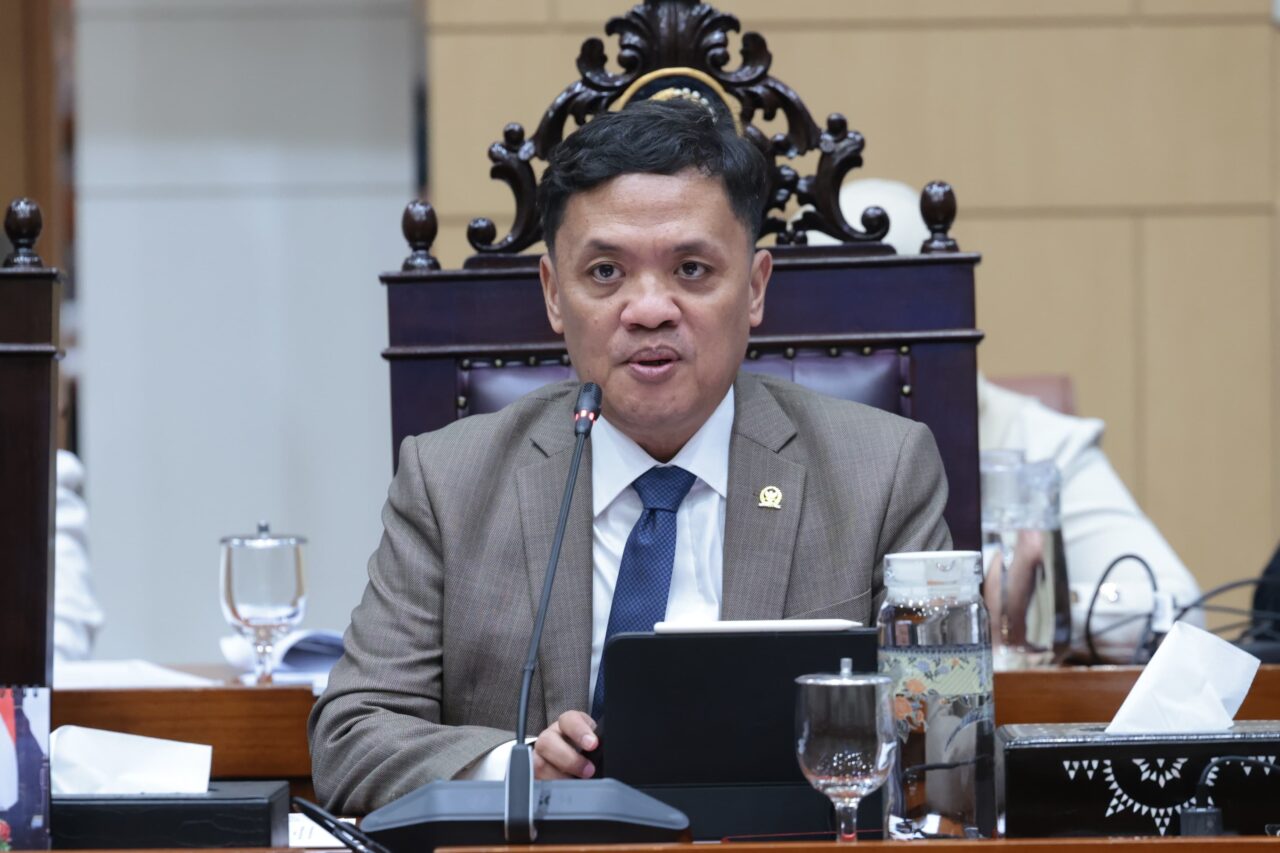
Jakarta, ThedailyID — Indonesia’s House of Representatives (DPR) has appointed Commission III Chairman Habiburokhman to lead the working committee discussing the Asset Forfeiture Bill. Lawmakers aim to pass the bill by December 15, 2026.
DPR leaders and faction coordinators agreed on the appointment, Habiburokhman said on Monday, October 26. He made the announcement during a public hearing with the University of Indonesia’s Faculty of Law scientific studies group, lecturers, and lawyers.


“We held a meeting between the leadership and faction coordinators. We agreed to appoint me, Habiburokhman, as chairman of the working committee,” he said.
Soedeson Tandra of the Golkar Party will serve as deputy chairman. The appointments took place during the parliamentary recess.
Habiburokhman said lawmakers had moved the public hearing forward from the next legislative session to help meet the December deadline.
“The purpose of advancing the schedule is to ensure that approval can take place no later than December 15, 2026,” he said.
Around 20 civil society groups and representatives attended the hearing, including student organizations, academics, lawyers, and intellectuals. Commission III also invited written submissions from people who could not attend in person.
The DPR previously pledged to pass the bill by December 15, 2026, following protests outside parliament on August 27. Demonstrators from the Pati Bersatu Community Alliance and other groups demanded the bill’s passage.
As part of that commitment, DPR leaders signed a statement pledging to resign from both their leadership positions and parliamentary seats if they failed to meet the agreement. The document was also signed by alliance coordinator Supriyoni, known as Botok Pati.
However, the bill has faced controversy over its substance. Civil society coalitions have called on the DPR and government to publish the draft and the official list of issues for discussion.
The coalitions identified three major concerns in a DPR draft dated July 10, 2026, compared with the government’s version. They alleged that the DPR draft removed provisions on illicit enrichment, narrowed the scope of non-conviction-based asset forfeiture, and left responsibility for managing seized assets unclear.
Debate also continues over which crimes the legislation should cover. Yerikho Alfredo Manurung, executive director of the Indonesia Millennials Center, has proposed including online gambling among the offenses eligible for asset forfeiture.
Yerikho argued that the current list of 13 offenses remains open to additions. The list disclosed by Commission III includes corruption; narcotics and psychotropic drug crimes; terrorism; human smuggling; arms, ammunition, and hazardous-material smuggling; forestry crimes; environmental offenses; tax crimes; banking offenses; insurance offenses; mining crimes; maritime and fisheries crimes; and human trafficking.
The working committee’s deliberations will determine how these provisions develop as lawmakers work toward the December deadline.