

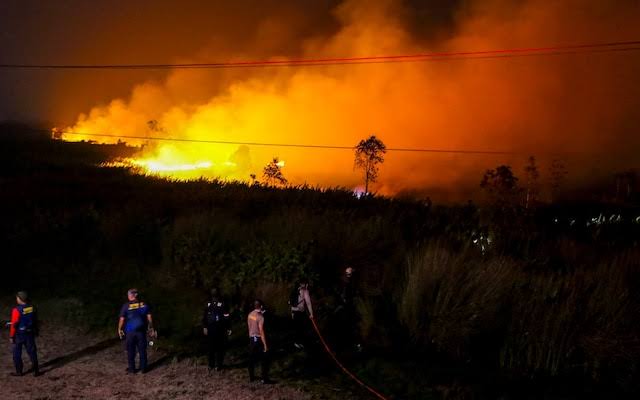
Jakarta, ThedailyID — Indonesia recorded 314,124 cases of acute respiratory infections (ARI) in areas affected by forest and land fires between August 20 and October 20, 2026. The Ministry of Health reported that 70,890 cases involved children under five.
The data covers seven provinces and 65 cities and regencies affected by wildfires. Meanwhile, 243,234 cases occurred among people aged five and older.


South Sumatra recorded the highest number of ARI cases, with 82,177. South Kalimantan followed with 78,894 cases, while West Kalimantan reported 55,686 and Riau recorded 36,433.
Other illnesses reported in wildfire-affected areas
In addition to respiratory infections, health authorities recorded pneumonia, acute diarrhea, skin conditions, eye problems, influenza-like illnesses, and heat stroke.
Central Kalimantan reported the highest number of pneumonia cases, with 1,400. West Kalimantan recorded 4,314 acute diarrhea cases, the highest among the affected provinces.
Riau also reported 720 cases of skin conditions, including itching and scabies. The province recorded another 232 cases of eye problems and 52 cases of heat stroke.
To help residents affected by the smoke, local governments have provided oxygen shelters for people who need respiratory support.
Why wildfire smoke poses health risks
Wildfire smoke contains various pollutants, including PM2.5, PM10, ultrafine particles, carbon monoxide, ozone, nitrogen dioxide, sulfur dioxide, polycyclic aromatic hydrocarbons (PAHs), and toxic metals.
Among these pollutants, PM2.5 particles are a major concern because of their small size. The World Health Organization estimates that around 90% of the particulate mass released by fires consists of particles measuring 2.5 micrometers or smaller.
These particles can travel deep into the lungs, causing irritation and inflammation. As a result, people may experience coughing, an itchy throat, shortness of breath, and other respiratory symptoms.