

Jakarta, ThedailyID — Indonesian lawmaker Rudianto Lallo has rejected a proposal by National Economic Council (DEN) Chair Luhut Binsar Pandjaitan to remove state financial losses from the definition of corruption.
Lallo, a member of House Commission III, said the proposal did not fit Indonesia’s current legal framework. He also questioned its relevance to President Prabowo Subianto’s commitment to fighting corruption.

“In my view, Mr. Luhut’s statement is not relevant to Indonesia’s current legal policy and should not be implemented,” Lallo told CNN Indonesia on Tuesday, October 21.
Luhut based his proposal on the United Nations Convention Against Corruption (UNCAC), which Indonesia ratified through Law No. 7 of 2006. However, Lallo argued that the convention’s approach might not suit Indonesia’s legal system and anti-corruption practices.
According to Lallo, UNCAC focuses on bribery-related offenses, while corruption in Indonesia takes various forms. He said the convention’s principles had not been fully incorporated into Indonesia’s constitutional legal framework.
“UNCAC has not been incorporated into Indonesia’s legal policy or constitutional legal framework. Therefore, we cannot simply adopt it,” he said.
Lallo explained that Indonesian law identifies three elements of corruption: unlawful acts, personal or third-party enrichment, and losses to state finances. He argued that the existing framework remains appropriate despite persistent corruption cases.
The NasDem Party politician also warned that removing state financial losses from the definition could undermine anti-corruption efforts. He pointed to enforcement actions against environmental and natural resource offenders during Prabowo’s administration as an example of progress that could face setbacks.
“Mr. Luhut’s idea would clash with many regulations, rules and laws. In my view, it could damage our legal system,” Lallo said.
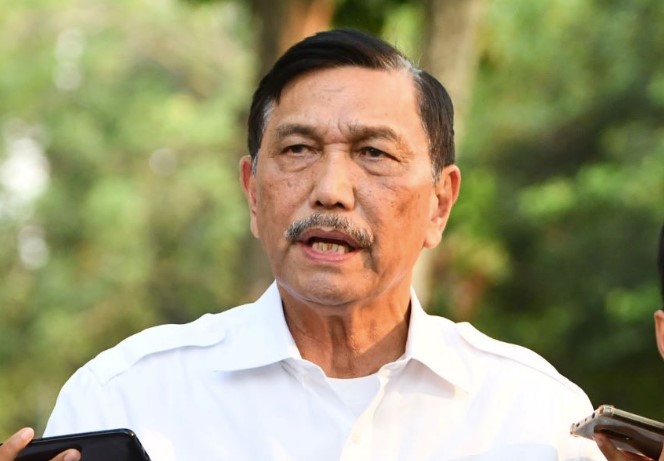
Luhut previously claimed that Prabowo had approved a DEN study proposing a narrower definition of corruption. Under the proposal, corruption would focus on bribery rather than include state financial losses.
Speaking at Merdeka Palace in Jakarta on Tuesday, October 20, Luhut said the study aimed to bring Indonesia’s corruption enforcement standards in line with international practices.
“The President also agrees with the study conducted by the National Economic Council team on the definition of corruption, because it is important for corruption enforcement in Indonesia to meet international standards,” Luhut said.
Luhut also argued that Indonesia was the only country to include state financial losses in its definition of corruption. He said this element could place additional pressure on businesses, including entities under Danantara, which oversees Indonesia’s state-owned enterprises.
He added that business operations inherently involve risks, suggesting that financial losses should not automatically fall under the definition of corruption.