

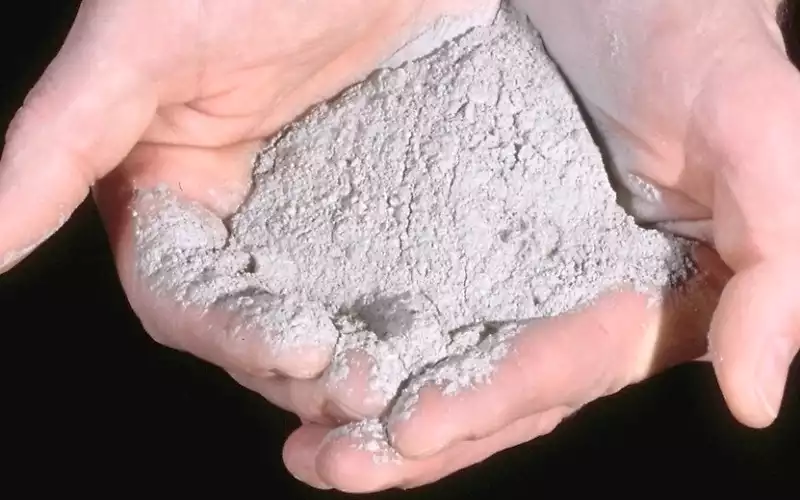
Jakarta, ThedailyID — Volcanic ash from Mount Anak Krakatau can pose several health risks. Experts warn that its microscopic particles can affect the respiratory system, eyes and skin.
Daryono, a member of the Indonesian Disaster Experts Association (IABI), said volcanic ash differs from ordinary dust. Its particles consist of microscopic fragments of silica glass and rock.


“Unlike ordinary dust, which is soft and easy to filter, volcanic ash consists of microscopic fragments of silica glass and rock measuring less than 2 mm,” Daryono said in a statement on Sunday (06/09/2026).
Because of their small size, these particles can pass through the nose’s natural filtering system. They can then reach deeper parts of the respiratory tract, including the alveoli in the lungs.
The ash also contains chemical compounds that can irritate the body. According to Daryono, the particles can carry acids such as sulfuric acid and hydrochloric acid. They can also contain various heavy metals and minerals.
“When inhaled or when they stick to moist body tissue, these acids react aggressively,” Daryono said on Sunday (06/09/2026).
As a result, volcanic ash can trigger inflammation in the respiratory tract. It can also cause severe irritation, burning sensations in the eyes and skin problems.
In the short term, exposure can cause acute respiratory infections, dry coughs and breathing difficulties. People with asthma face a higher risk of experiencing breathing problems. Eye irritation can also occur.
Meanwhile, long-term exposure can create more serious risks. Silica deposits that accumulate in the lungs can cause permanent scar tissue, known as silicosis. This condition can severely reduce lung function.
Therefore, Daryono urged residents to limit outdoor activities when volcanic ash spreads. If they must go outside, they should use protective eyewear and high-filtration masks such as N95 or KN95 masks.
Ordinary cloth masks cannot effectively filter the microscopic particles found in volcanic ash.
Residents should also protect food and water supplies from contamination. This step can help prevent volcanic ash and its chemical compounds from entering food and drinking water.
Finally, Daryono urged the public to follow official mitigation measures. He also warned people not to approach the sea crossing area around the Krakatau complex and to respect the established safety boundary.